
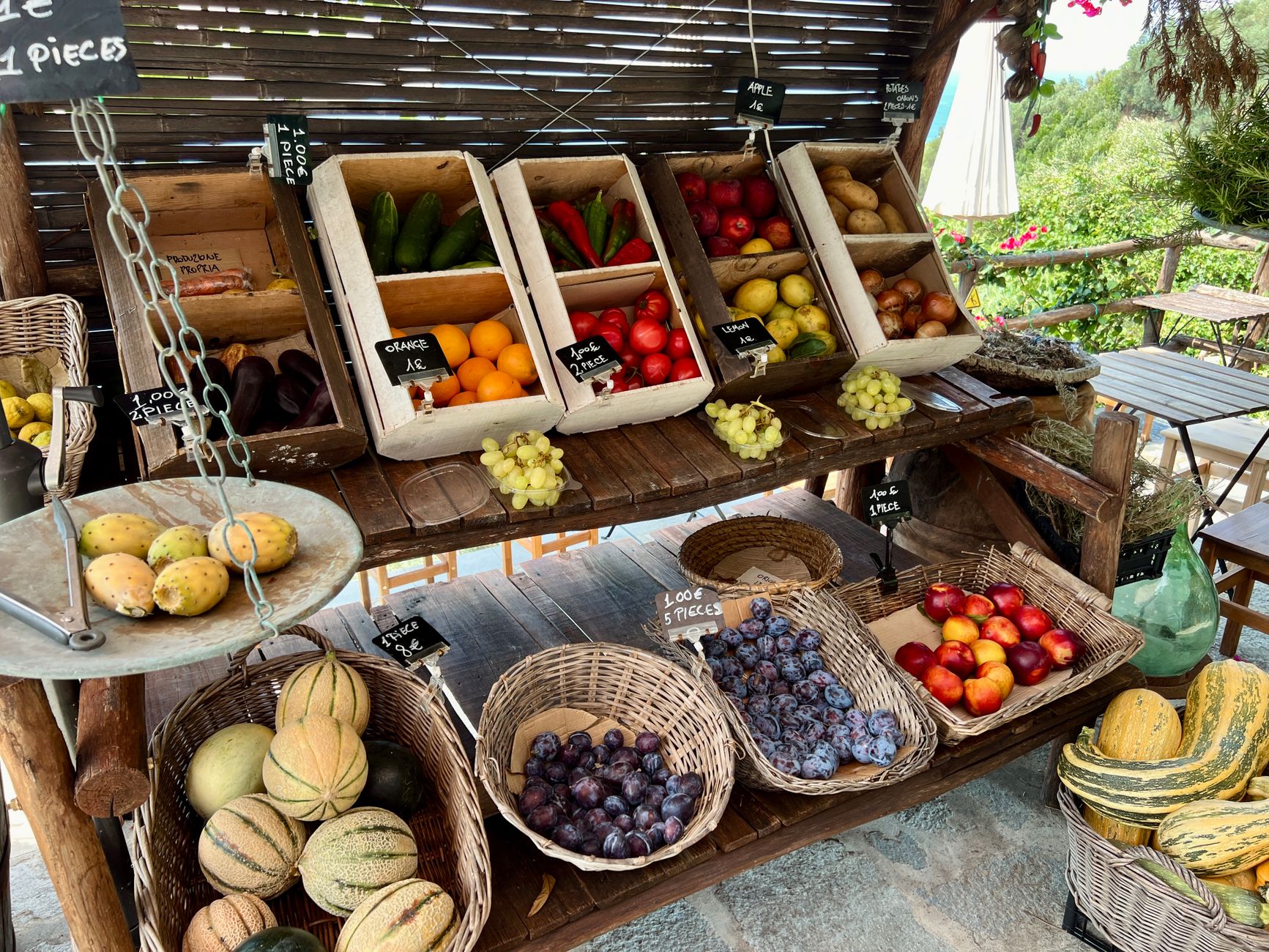
Knowing which fruits and vegetables are in season can elevate your cooking and meal planning. Seasonal produce is often more flavorful, nutritious, and affordable than out-of-season counterparts. In this guide, we’ll explore the fruits and veggies in season right now, along with tips on selecting, preparing, and storing them.
Seasonal eating not only supports your health but also promotes sustainability by reducing the carbon footprint associated with transportation. Let’s dive into what’s available this season!
What Fruits and Veggies Are in Season Right Now?
Seasonal fruits and vegetables can vary based on location, climate, and growing conditions. Generally, the produce that is in season right now includes a mix of vibrant fruits and hearty vegetables. In many regions, late summer to early fall is a peak time for harvest. Here’s an overview of some common seasonal options and their culinary uses.
Fruits in Season
Stone Fruits
- Peaches: Juicy and sweet, peaches shine in desserts, salads, and sauces.
- Plums: Tart and sweet, perfect for snacking or baking into pies.
- Nectarines: Similar to peaches but with smooth skin; used in salads and desserts.
Berries
- Blackberries: Sweet and slightly tart; great in jams, pastries, or smoothies.
- Blueberries: Packed with antioxidants; perfect for pancakes, muffins, or fresh eating.
- Raspberries: A delicate tartness; often used in desserts and as garnishes.
Apples
- Varieties to Consider: Granny Smith, Honeycrisp, and Fuji offer a range of flavors from tart to sweet.
- Uses: Fresh eating, baking, making cider, or adding to salads.
Pears
- Varieties: Bartlett, Bosc, and Anjou can be enjoyed raw or cooked.
- Uses: Salads, poaching, or desserts.
Grapes
- Varieties: Concord, Red Flame, and Thompson Seedless are great fresh or dried.
- Uses: Snacking, salads, or adding to cheese boards.
Melons
- Watermelon: Refreshing and hydrating; perfect for salads, smoothies, or snacks.
- Cantaloupe: Sweet and juicy; ideal for breakfast or fruit salads.
- Honeydew: Smooth texture; can be enjoyed fresh or in smoothies.
Vegetables in Season
Leafy Greens
- Kale: Nutritious and hearty; great in salads, smoothies, or sautéed.
- Spinach: Tender and versatile; perfect for salads, omelets, or smoothies.
- Swiss Chard: Flavorful and colorful; excellent in sautés or soups.
Squash
- Zucchini: Mild flavor; great for grilling, in stir-fries, or baked goods.
- Yellow Squash: Similar to zucchini, used in steamed dishes or casseroles.
Root Vegetables
- Carrots: Sweet and crunchy; enjoyed raw, roasted, or in soups.
- Beets: Earthy and vibrant; fantastic roasted, pickled, or in salads.
- Potatoes: Versatile; used in fries, mash, or casseroles.
Cruciferous Vegetables
- Broccoli: Nutritious and crunchy; used in stir-fries or steamed sides.
- Cauliflower: Versatile for roasting, mashing, or used as a rice substitute.
- Brussels Sprouts: Nutty flavor; roasted or sautéed to complement various dishes.
Nightshade Vegetables
- Tomatoes: Juicy and sweet; essential for salads, sauces, or fresh eating.
- Bell Peppers: Crisp and sweet; great in salads, stir-fries, or stuffed.
- Aubergines (Eggplant): Mild flavor; perfect for grilling or incorporating into ratatouille.
Choosing Seasonal Fruits and Vegetables
When shopping for seasonal produce, consider the following tips to ensure quality and flavor:
- Look for Color: Vibrant colors often indicate freshness and peak ripeness.
- Check Texture: For fruits, like peaches or plums, gently squeeze; they should give slightly.
- Aroma: Fresh fruits, like melons or berries, often have a fragrant aroma indicating ripeness.
- Seasonality: Familiarize yourself with local harvest calendars to know what is fresh in your area.
Storing Seasonal Produce
Proper storage helps extend the life and freshness of your seasonal fruits and vegetables:
Fruits
- Stone Fruits: Store at room temperature until ripe, then refrigerate for a few days.
- Berries: Keep in the fridge; wash just before consuming to prevent mold.
- Apples: Store in a cool, dry place or in the refrigerator for longer freshness.
- Melons: Whole melons can be stored at room temperature; once cut, refrigerate.
Vegetables
- Leafy Greens: Wash and store in a damp paper towel within a sealed container in the fridge.
- Root Vegetables: Store in a cool, dark place; keep in a perforated bag in the fridge for longer life.
- Cruciferous Vegetables: Store in the fridge; keep them unwashed until ready to use.
Cooking Tips with Seasonal Produce
Utilizing seasonal fruits and vegetables in your cooking can enhance flavors and creativity in the kitchen. Here are some cooking techniques and methods to get the most out of your seasonal produce:
Grilling and Roasting
Grilling and roasting bring out the natural sweetness of vegetables like zucchini, bell peppers, and eggplant.
- Preparation: Cut vegetables into uniform pieces for even cooking.
- Seasoning: Use olive oil, salt, and herbs for enhanced flavor.
- Temperature: Preheat the grill or oven to medium-high heat (around 400°F).
- Cooking Time: Grill or roast until tender and slightly caramelized; usually 15-25 minutes.
Stir-Frying
This quick cooking method preserves nutrients and flavors in leafy greens and crunchy vegetables.
- Preparation: Cut vegetables into bite-sized pieces; prep your protein if using.
- Oil: Use a high smoke point oil like canola or peanut oil.
- Heat: Use high heat and work quickly; add vegetables starting with the firmer ones first.
- Tip: Add a splash of soy sauce or tamari for added depth.
Fresh Salads
Combine different seasonal fruits and veggies for nourishing salads that are colorful and flavorful.
- Base: Use leafy greens like spinach or kale as a base.
- Toppings: Add sliced fruits, nuts, seeds, and a protein source for a hearty meal.
- Dressings: Whisk together oil, vinegar, mustard, or honey for homemade dressings.
Meal-Planning with Seasonal Produce
Incorporating seasonal produce into your meal planning can save time and money while offering a range of flavors. Here’s a practical guide for planning meals around seasonal fruits and vegetables:
Weekly Meal Planner
| Day | Breakfast | Lunch | Dinner |
|---|---|---|---|
| Monday | Spinach smoothie with banana | Beet and goat cheese salad | Grilled zucchini and chicken |
| Tuesday | Oatmeal topped with berries | Tomato and mozzarella sandwich | Stuffed bell peppers with quinoa |
| Wednesday | Pear and yogurt bowl | Kale salad with fruits | Roasted root vegetables with lentils |
| Thursday | Blueberry muffins | Leftover stuffed peppers | Cauliflower curry with rice |
| Friday | Melon salad | Vegetable stir-fry | Apple and pork chops |
Final Thoughts
Enjoying fruits and vegetables that are in season can enhance your culinary experience while supporting local agriculture. As seasons change, so do the flavor profiles and cooking techniques that can be applied to fresh produce. Incorporate these seasonal fruits and vegetables into your meals for vibrant tastes and versatile preparations.
For more information on how to store seasonal produce, check out our guide on freezing watermelon. For cooking tips on specific vegetables like green beans, refer to our article on cooking fresh green beans. Happy cooking!