
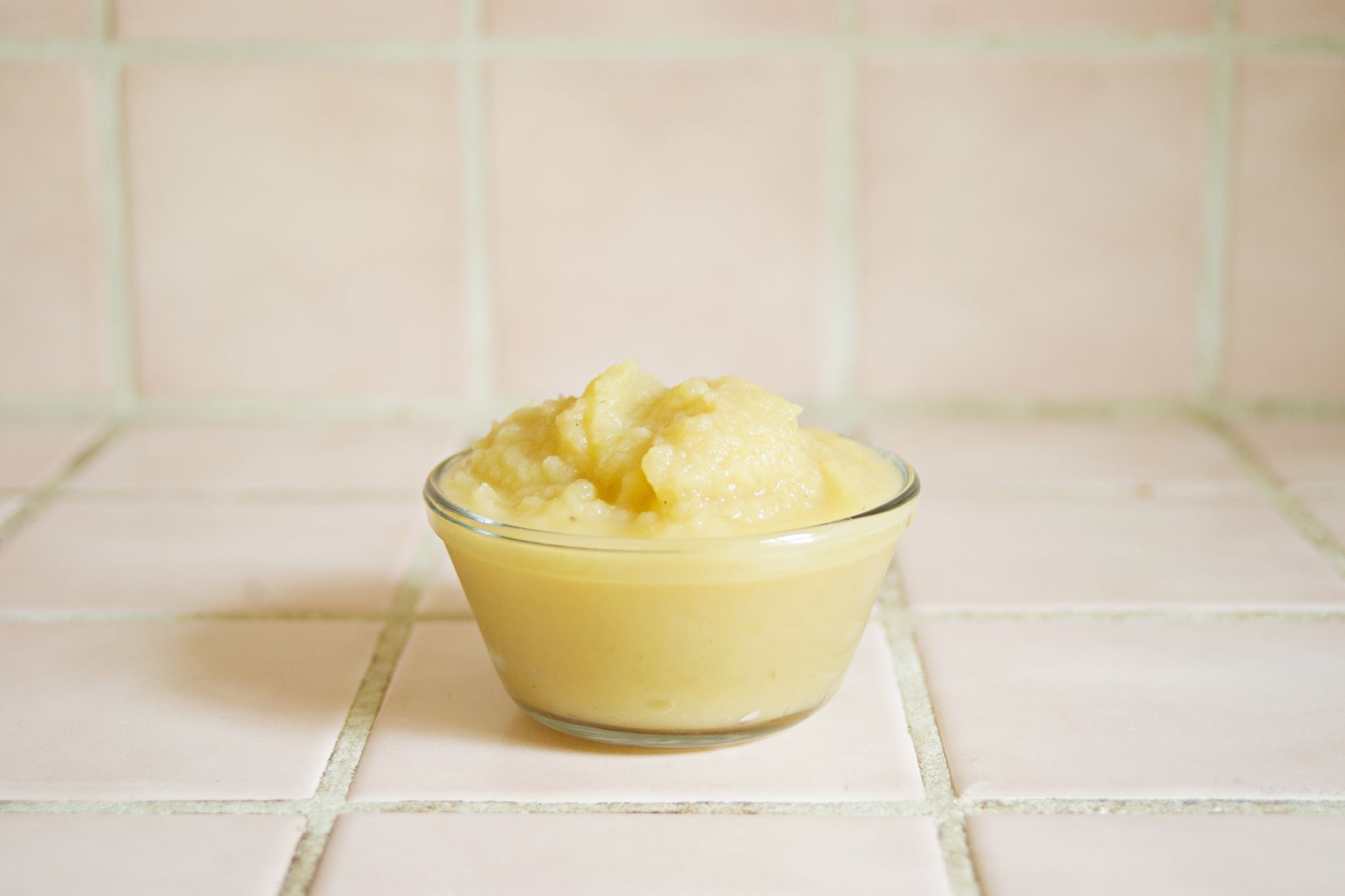
Applesauce is a popular food ingredient, often used as a substitute for sugar or eggs in baking, and enjoyed on its own for its sweet, tangy flavor and smooth texture. But for those managing diabetes, the question arises: is applesauce a suitable choice?
This article delves into the nutritional profile of applesauce, its impact on blood sugar levels, serving sizes, and guidance on incorporating it into a diabetic meal plan.
Is Applesauce Good for Diabetics?
Yes, applesauce can be a good option for diabetics when consumed in moderation. It contains natural sugars, fiber, and vitamins, but its carb content means that portion control is essential to avoid elevating blood sugar levels.
Nutritional Benefits of Applesauce
Applesauce is made from cooked apples, offering various nutrients essential for overall health. Here are some of the key nutritional benefits:
- Low in Calories: A typical serving of unsweetened applesauce contains about 50 calories, making it a low-calorie snack.
- Fiber Content: Applesauce retains some fiber, which can aid in digestion and help regulate blood sugar levels.
- Vitamins and Minerals: Applesauce is rich in vitamin C and provides potassium, which are important for a balanced diet.
- Antioxidants: Apples are rich in antioxidants, which can help reduce inflammation and improve overall cardiovascular health.
Understanding Carbs and Glycemic Index
For diabetics, managing carbohydrates and understanding the glycemic index (GI) of foods is crucial. Carbohydrates transform into glucose in the body, impacting blood sugar levels.
The GI categorizes foods based on how quickly they raise blood sugar. Foods with a lower GI are preferred for managing diabetes. Plain applesauce generally has a moderate GI, making portion control important.
Choosing the Right Applesauce
When selecting applesauce, keep in mind the following:
- Opt for Unsweetened: Unsweetened applesauce contains no added sugars, which is vital for blood sugar management.
- Check Labels: Always read the ingredient list. Some varieties may have added sugars or preservatives that can affect blood sugar levels.
- Consider Organic: Organic applesauce may be free from pesticides and harmful additives.
Portion Control and Serving Suggestions
Serving size is key when incorporating applesauce into a diabetic diet. A standard serving size is usually about 1/2 cup, which contains around 15 grams of carbohydrates. Here are some suggestions for enjoying applesauce:
As a Snack
Enjoy half a cup of unsweetened applesauce as an afternoon snack. Pair it with a handful of nuts to add protein and healthy fats, which can help stabilize blood sugar levels.
In Baking
Applesauce can be used as a sugar substitute in baking recipes. Replace 1 cup of sugar with 1 cup of applesauce and reduce the liquid by 1/4 cup. This not only reduces the sugar content but adds moistness to recipes.
Breakfast Boost
Mix applesauce into oatmeal or Greek yogurt for added sweetness and fiber. This combination can create a balanced breakfast that helps maintain stable blood sugar levels throughout the morning.
Alongside Meals
Serve applesauce as a side dish with roasted meats, like pork, for a refreshing contrast. Just be cautious about portion sizes to avoid spikes in blood sugar.
Practical Tips for Incorporating Applesauce into Meals
Here are some practical tips for diabetic meal planning with applesauce:
- Monitor Blood Sugar: After consuming applesauce, monitor your blood sugar levels to see how your body responds and adjust portion sizes as needed.
- Balance Your Plate: Incorporate a mix of proteins, healthy fats, and fibers with your applesauce to create a balanced meal that minimizes blood sugar spikes.
- Experiment with Cooking: Use applesauce not just in sweet dishes, but also in savory recipes like marinades and salad dressings.
Common Mistakes to Avoid
While applesauce can be a healthy addition to a diabetic diet, some common mistakes can lead to undesirable blood sugar spikes:
- Ignoring Portion Size: Overindulgence can lead to excessive carbohydrate consumption and increased blood sugar levels.
- Picking Sweetened Varieties: Avoid flavored or sweetened applesauce, which can contain hidden sugars.
- Depending Solely on Applesauce: Ensure a diverse diet. Don’t replace all fruits and vegetables with applesauce; whole fruits provide fiber and nutrients that applesauce may lack.
DIY Applesauce Recipe
Making your own applesauce ensures it is fresh, free from additives, and naturally low in sugar. Below is a simple recipe for unsweetened applesauce that diabetics can enjoy:
Yield: Approximately 4 cups (8 servings)
Preparation Time: 15 minutes
Cooking Time: 25 minutes
Total Time: 40 minutes
Ingredients
- 4 large apples (Granny Smith or Fuji work well)
- 1/2 cup of water
- 1 teaspoon of cinnamon (optional)
Essential Equipment
- Peeler
- Knife
- Apple corer (optional)
- Pot
- Blender or food processor
- Storage containers
Method
- Peel and core the apples, then chop them into small pieces.
- Place the chopped apples and water in a pot. Bring to a boil over medium heat.
- Reduce the heat and cover, simmering the apples for about 20 minutes. Stir occasionally until the apples are tender.
- If using, add cinnamon during the last few minutes of cooking.
- Remove from heat and use an immersion blender or transfer to a food processor to blend until smooth. Adjust the texture to your preference.
- Allow the applesauce to cool before transferring it into storage containers. Refrigerate or freeze as needed.
Storage and Shelf Life
Homemade applesauce can be stored in the refrigerator for up to one week. For longer storage, place it in the freezer, where it can last for up to six months. Always label containers with the date to keep track of freshness.
Conclusion
In moderation and with proper portion control, applesauce can be a tasty and nutritious addition to a diabetic diet. Its versatility allows for various culinary uses, enhancing both sweet and savory dishes.
Consider exploring how to create delicious treats with apples, such as in an applesauce cake recipe, or discover how to use applesauce as a substitute in baking with the guide on applesauce as an egg substitute.