
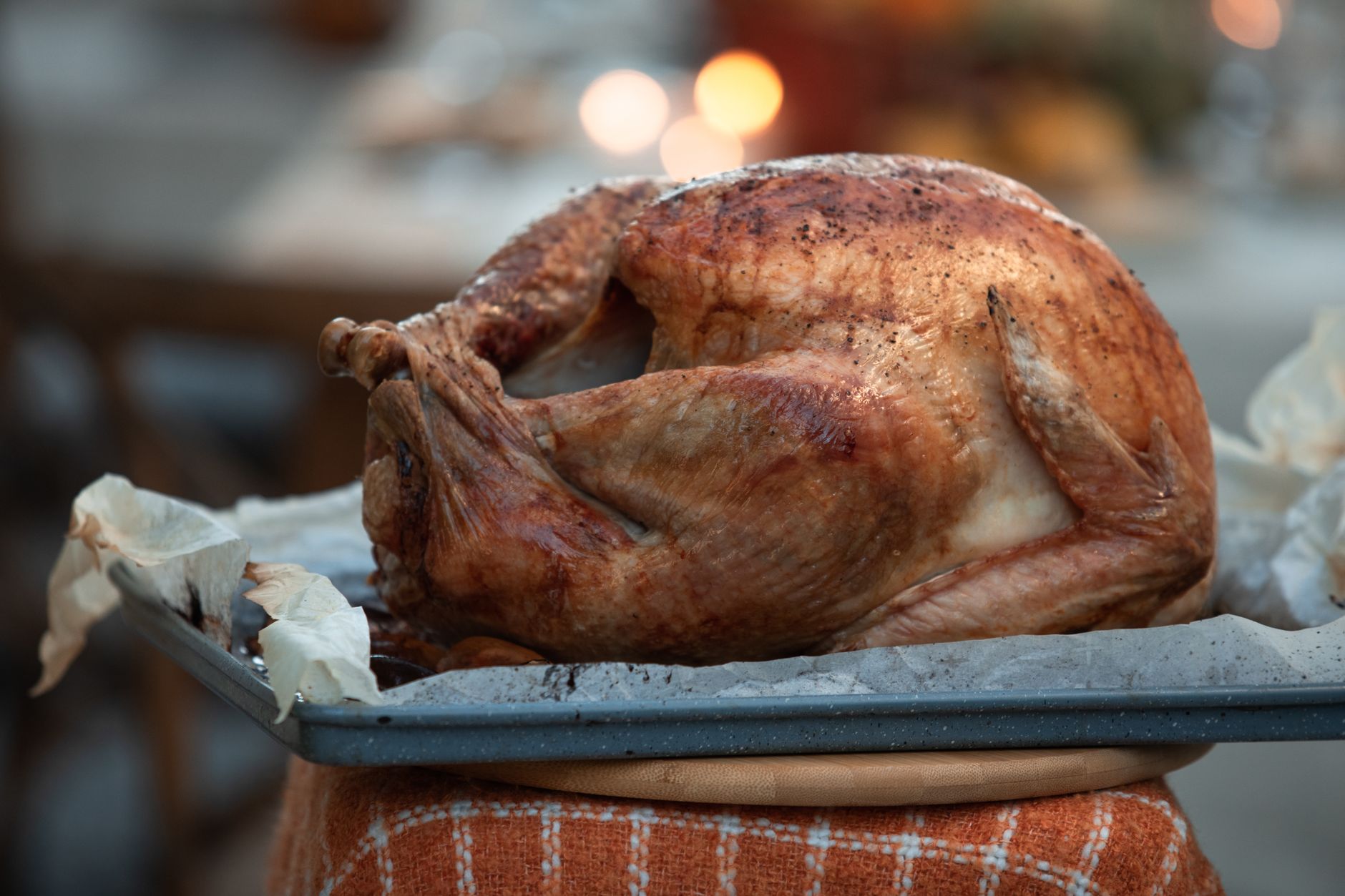
When it comes to cooking a turkey, seasoning is key. The right combination of herbs, spices, and aromatics can elevate your turkey from ordinary to extraordinary, transforming a classic dish into a centerpiece that wows guests. This guide will explore various seasoning options, preparation techniques, timing tips, and serving suggestions to help you achieve a delicious turkey.
Understanding how to properly season a turkey can completely change the flavor profile, ensuring that every bite is enticing and memorable. Whether you’re preparing for a holiday feast or a casual gathering, knowing how to season your turkey is essential for a delightful dining experience.
What to Season a Turkey with?
The seasoning for a turkey often includes a mix of salt, pepper, herbs, and spices that enhance the natural flavors of the meat. Common seasonings include garlic, onion powder, rosemary, sage, thyme, and paprika. A well-seasoned turkey is crucial for creating layers of flavor, keeping the meat moist during cooking, and adding aromatic qualities.
Classic Turkey Seasoning Ingredients
Here’s a list of classic ingredients frequently used to season turkeys. Each one contributes unique flavors and aromas:
- Salt: Enhances the turkey’s natural flavor and helps to retain moisture.
- Pepper: Adds a mild heat and depth of flavor.
- Garlic Powder: Provides a savory taste that complements the turkey.
- Onion Powder: Brings sweetness and aroma.
- Thyme: This herb adds an earthy flavor profile that’s great for poultry.
- Rosemary: Offers a fragrant, pine-like aroma paired with a woodsy flavor.
- Sage: Adds a warm, slightly peppery taste that suits turkey well.
- Paprika: Provides color and a mild smokiness, enhancing visual appeal and flavor.
Herbs and Aromatics for Flavor
Fresh herbs and aromatics can significantly boost the overall taste of your turkey. Here’s a closer look at some options:
- Fresh Herbs: Use fresh rosemary, thyme, and sage for a vibrant flavor. Tie them together in a bouquet garni for easy removal post-cooking.
- Garlic: Whole cloves can be inserted into the meat for infused flavor or minced and mixed in with other spices.
- Citrus: Zest from lemons or oranges adds brightness and pairs well with herbs.
- Butter or Oil: Rubbing softened butter or oil under the skin helps retain moisture and brings a rich flavor to the meat.
Preparing the Turkey for Seasoning
Before applying the seasoning, it’s important to prepare the turkey properly:
- Thaw the Turkey: Ensure your turkey is completely thawed if frozen. This may take several days in the refrigerator, depending on size.
- Pat Dry: Use paper towels to pat the turkey dry thoroughly. This helps the skin crisp up during cooking.
- Remove Giblets: Take out any giblets or neck from the cavity for later cooking or discarding.
- Truss the Turkey: Tie the legs and tuck the wings to promote even cooking.
Basic Turkey Seasoning Recipe
Here’s a simple yet effective seasoning blend to get you started:
- 2 tablespoons kosher salt
- 1 tablespoon black pepper
- 1 teaspoon garlic powder
- 1 teaspoon onion powder
- 1 teaspoon dried thyme
- 1 teaspoon dried rosemary
- 1 teaspoon dried sage
- 1 teaspoon paprika
Instructions for Applying Seasoning
- In a small bowl, mix all the seasoning ingredients together.
- Rub the mixture generously over the entire turkey, both on the surface and under the skin, if possible.
- For added moisture and flavor, mix some herbs with softened butter and rub under the skin.
- Let the turkey sit at room temperature for about 30 minutes before roasting. This allows the flavors to penetrate the meat.
Timing Your Seasoning
When to season your turkey is as important as what to use. Here are some effective timing tips:
- Overnight Marination: For a deeper flavor, season the turkey a day prior. After applying the seasoning, cover the turkey and refrigerate. This helps the herbs and spices to infuse into the meat.
- At Least 30 Minutes Before Cooking: If you don’t have time for overnight marination, season the turkey at least 30 minutes prior to cooking. This allows the seasoning to begin penetrating the meat.
Common Mistakes in Turkey Seasoning
Here are some frequent errors to avoid while seasoning your turkey:
- Not Using Enough Salt: Salt is crucial for flavor enhancement and moisture retention, so don’t skimp on it.
- Seasoning Last Minute: Allowing time for the seasoning to work its magic is essential for flavor development.
- Ignoring the Interior: Don’t forget to season inside the cavity; it’s crucial for even seasoning throughout the bird.
Cooking Techniques That Pair Well with Seasoning
Once your turkey is properly seasoned, choose a cooking method that best complements the flavor:
- Roasting: A classic method that yields crispy skin and juicy meat, ideal for seasoned turkeys.
- Brining: A technique that involves soaking the turkey in a saltwater solution along with herbs and spices for enhanced flavor and moisture.
- Smoked: Smoking can impart a unique flavor and tenderness, making the seasoning meld beautifully with the meat.
- Grilling: Depending on the size of the turkey, grilling can be an option for more pronounced smoky flavors.
Serving Tips for Your Seasoned Turkey
Presentation is a key part of serving your turkey. Here’s how to do it well:
- Rest Before Carving: Allow the turkey to rest for about 20-30 minutes after cooking. This helps retain the juices.
- Carving Technique: Use a sharp knife to carve the turkey. Start with the legs and work your way to the breast for clean slices.
- Garnishing: Serve with fresh herbs, fruits, or vegetables around the platter for visual appeal.
Making Ahead and Storage
If you want to prepare some components ahead of time, consider the following tips:
- Pre-Seasoning: As mentioned, seasoning the turkey a day before is ideal for flavor.
- Cooked Leftovers: Store leftover turkey in an airtight container in the refrigerator for 3 to 4 days.
- Freezing: If properly packaged, you can freeze cooked turkey for up to six months. Ensure it is cooled before placing it in the freezer.
Practical Substitutions and Variations
Many ingredients can be substituted depending on availability or personal preference:
- Herb Substitutions: If you’re not a fan of sage, try thyme or tarragon for a different flavor profile.
- Spice Variations: For a spicy kick, consider adding cayenne pepper or chili powder into your seasoning mix.
- Garlic Alternatives: Fresh garlic can replace garlic powder if you prefer using fresh ingredients.
Conclusion
Whether you are cooking a turkey for a holiday celebration or a family dinner, understanding how to properly season it can make a world of difference. By using a blend of salt, pepper, herbs, and spices, you can enhance the natural flavors of the meat, creating a delicious centerpiece that’s sure to impress. Follow the preparation, timing, and serving tips outlined above, and enjoy the satisfaction of serving a seasoned turkey that everyone will rave about.
For more great seasoning options, explore our turkey rub recipe and try your hand at our turkey seasoning recipe.