
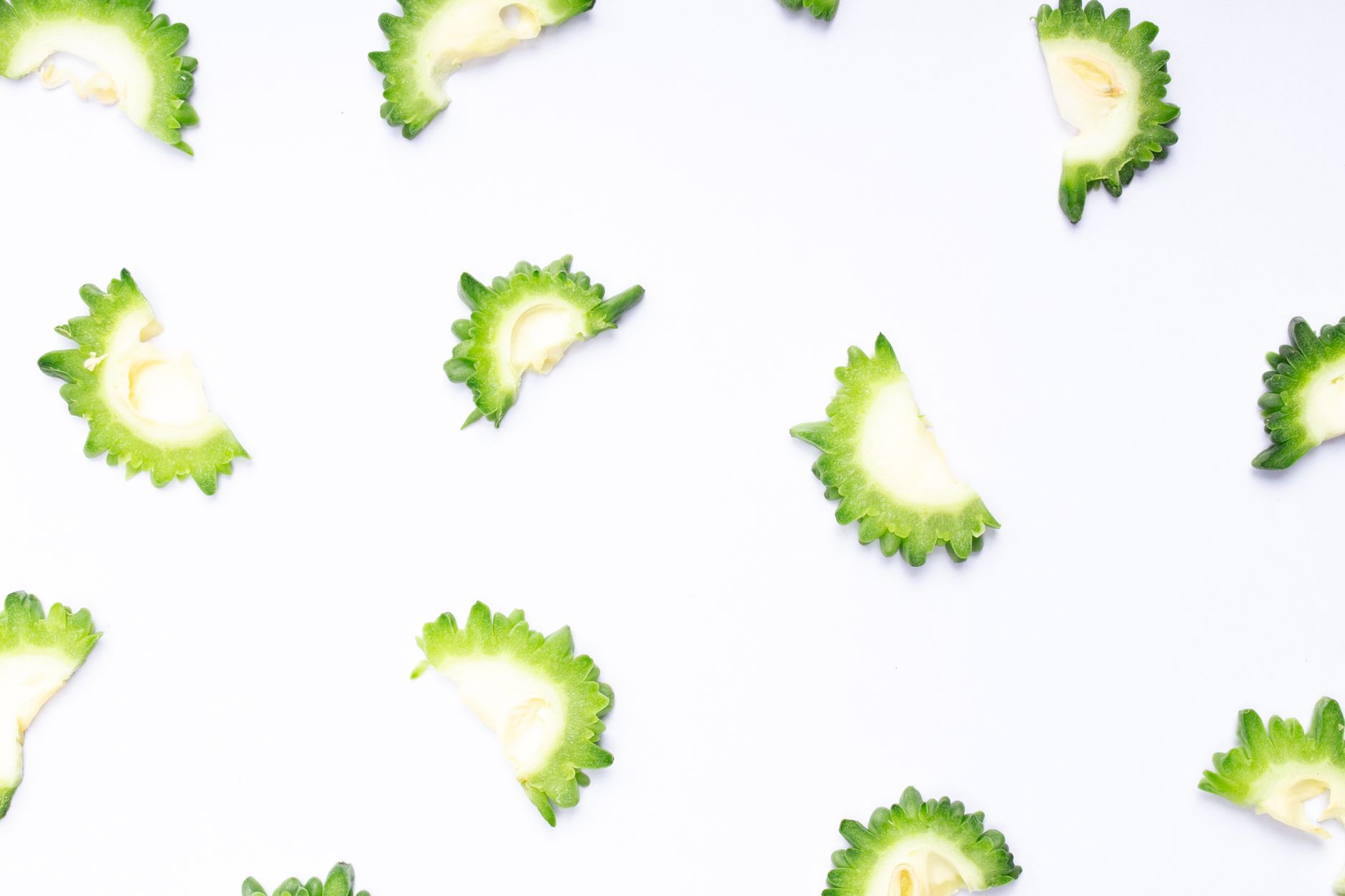
Bitter melon, also known as bitter gourd or Momordica charantia, is a unique fruit revered for its distinct flavor and versatile culinary applications. While its sharp bitterness may not appeal to everyone, this intriguing ingredient has captured the interest of health enthusiasts and cooks alike, thanks to its myriad benefits and ability to elevate various dishes.
In this article, we will explore what bitter melon is good for, including its flavor profile, texture, and perfect culinary pairings, helping you appreciate this captivating vegetable in your kitchen.
What Is Bitter Melon Good For?
Bitter melon is primarily valued for its nutritional and medicinal properties. It is rich in vitamins, minerals, and antioxidants, believed to support various aspects of health, including blood sugar regulation. Additionally, its flavor and texture can enhance a range of dishes, making it a delightful culinary addition.
Understanding Bitter Melon
Bitter melon is a tropical and subtropical vine belonging to the gourd family. Its appearance is recognizable with a green, bumpy skin that resembles a small cucumber. The inside houses a white, spongy flesh with seeds that add to its unique character.
Flavor Profile
Bitter melon earns its name from its distinctly bitter taste, which is often compared to that of arugula or radicchio. The bitterness can vary depending on several factors, such as the size and ripeness of the fruit. Younger, smaller bitter melons tend to be slightly less bitter, while larger, more mature ones pack a punch of intense flavor.
Texture
The texture of bitter melon is crisp and slightly crunchy. When cooked, it can become tender while retaining some crunch, making it a delightful contrast in various dishes. Fresh bitter melon has a juicy interior that can balance its bitterness, providing a unique mouthfeel.
Nutritional Benefits of Bitter Melon
Bitter melon is not only an exciting addition to culinary creations but also a powerhouse of health benefits. Here are some key nutrients and potential benefits:
- Low in Calories: Bitter melon is a low-calorie food, making it a suitable choice for weight management.
- Rich in Vitamins: It contains vitamins A, C, and B, contributing to overall health and immune function.
- High in Antioxidants: Bitter melon is loaded with antioxidants that help combat oxidative stress in the body.
- Blood Sugar Regulation: Some studies suggest that bitter melon may play a role in lowering blood sugar levels and improving insulin sensitivity.
- Digestive Health: The fiber content in bitter melon aids digestion and can help maintain a healthy gut.
- Anti-Inflammatory Properties: Bitter melon has potential anti-inflammatory agents that can contribute to overall wellness.
How to Select and Prepare Bitter Melon
When selecting bitter melon, look for firm fruits with a vibrant green color and a bumpy surface. Avoid those that appear overly wrinkled or have dark spots, as they may be overripe. Fresh bitter melon can be found in Asian grocery stores or farmers’ markets.
Preparation Techniques
To prepare bitter melon for cooking, follow these straightforward steps:
- Wash the bitter melon thoroughly under running water.
- Cut off both ends of the fruit.
- Slice it in half lengthwise and scoop out the seeds using a spoon.
- Depending on your recipe, you can then slice it into half-moons, thin strips, or cubes.
- To reduce bitterness, soak the sliced bitter melon in salt water for around 20-30 minutes. Rinse it thoroughly before cooking.
Culinary Uses and Pairings
Bitter melon’s unique flavor profile makes it a versatile ingredient in various cuisines, particularly in Asian dishes. It pairs beautifully with different flavors and ingredients, enhancing your culinary creations.
Cooking Methods
Bitter melon can be prepared using various cooking methods, including stir-frying, steaming, and stuffing. Each method brings out different nuances in flavor and texture:
- Stir-Frying: A popular method in Asian cuisine, this technique allows bitter melon to cook quickly while retaining its crunch. Pair it with ginger, garlic, and your choice of protein for a flavorful stir-fry.
- Steaming: Steaming retains more nutrients while softening the bitterness slightly. Serve steamed bitter melon as a side dish with a dash of soy sauce.
- Stuffing: You can hollow out half of the bitter melon and stuff it with a mixture of ground meat and spices, then simmer it in broth for a savory dish.
Flavor Pairings
When using bitter melon in your cooking, paired flavors can balance or complement its bitterness:
- Sweet: Ingredients like carrots, bell peppers, or sweet soy sauce can contrast the bitterness beautifully.
- Spicy: Spices such as chili or black pepper work well to add heat, creating an exciting taste experience.
- Sour: Acidity from lime juice or vinegar can cut through the bitterness and enhance the overall flavor.
- Umami: Ingredients like soy sauce, miso, or fish sauce can elevate the dish by adding depth and complexity.
Popular Bitter Melon Dishes from Around the World
Bitter melon is a staple in many cultures, particularly in Asian cuisines. Here are a few popular dishes:
1. Bitter Melon Stir-Fry
This dish is a staple in Chinese and Indian cuisine. Stir-fried with spices, garlic, and meat or tofu, it highlights the distinct flavor of bitter melon while adding satisfying notes from other ingredients.
2. Bitter Melon Soup
A comforting dish often found in homes across Southeast Asia, this soup combines bitter melon with broth, meat, and other vegetables, creating a hearty and nutritious meal.
3. Karela Sabzi
A traditional Indian dish, kerele sabzi is made by sautéing sliced bitter melon with onions, tomatoes, and spices, resulting in a flavorful side dish served with roti.
4. Stuffed Bitter Melon
Stuffed bitter melon, often filled with minced meat and herbs, is a popular dish in Malaysia and Indonesia, where it is simmered in a savory broth.
Substitutes for Bitter Melon
If you ever find yourself in need of a bitter melon substitute, consider the following options:
- Eggplant: While not as bitter, eggplant can provide a similar texture in dishes.
- Green Bell Pepper: Though milder, sliced green bell peppers can add a crunch and color if you’re looking for a different flavor profile.
- Radicchio: This leafy vegetable offers a similar bitterness and can be used in salads or cooked dishes.
Common Mistakes and Troubleshooting
When cooking with bitter melon, here are some common pitfalls to avoid:
- Overcooking: Cooking bitter melon for too long can lead to a mushy texture. Aim for a slight crunch.
- Not Reducing Bitterness: If you find the bitterness overwhelming, soak the bitter melon in salted water before cooking.
- Ignoring Flavor Pairings: Failing to balance the bitterness with complementary flavors can result in a less enjoyable dish.
Making Ahead and Storing Bitter Melon
Bitter melon can be prepped in advance for convenience. Wash, cut, and soak it in salt water a few hours before cooking. This will help save time during meal preparation.
For storage, uncut bitter melons can be kept in the refrigerator for up to a week. Once cut, they should be used within a few days for optimal freshness. Store any cooked bitter melon dishes in airtight containers in the fridge to enjoy later.
Conclusion
Exploring the unique dimensions of bitter melon opens up a world of culinary possibilities. Enjoy its distinctive bitterness while benefiting from its nutritional properties. If you’re feeling adventurous, try incorporating it into stir-fries, soups, or even as a stuffed delicacy. With the right pairings and preparations, you can appreciate this fascinating vegetable’s taste and nutritional benefits.
To continue your culinary journey, explore recipes for chia pudding with coconut milk for a refreshing treat or learn about the benefits of chia seeds. Each ingredient brings a world of flavor to your kitchen adventures!