
Picture this: a creamy, savory dish that takes you back to childhood days with every bite. The Milk Steak is not just a quirky recipe; it’s a tasty adventure revealing the surprisingly delightful combination of milk and steak. This dish is all about tender texture and unique flavor, making it a fun choice for dinner or a special occasion. Plus, it’s simple enough for a busy weeknight! Let’s dive into the ingredients and steps to create this creamy delicacy.
Why You’ll Love This Recipe
This recipe is a hit for many reasons. You’ll appreciate how it blends flavors and textures effortlessly.
- Unique flavor profile that surprises your taste buds.
- Simple and quick to prepare, perfect for any night.
- Rich, creamy texture that elevates the classic steak experience.
- Great for impressing guests with minimal effort.
- Fun twist on traditional steak dishes.
My Experience Making This Recipe
I remember the first time I tried making Milk Steak. I was intrigued by the concept, but I was pleasantly surprised by how well the flavors came together. The aroma wafting through my kitchen was irresistible, and soon my family gathered around, eager to dig in.
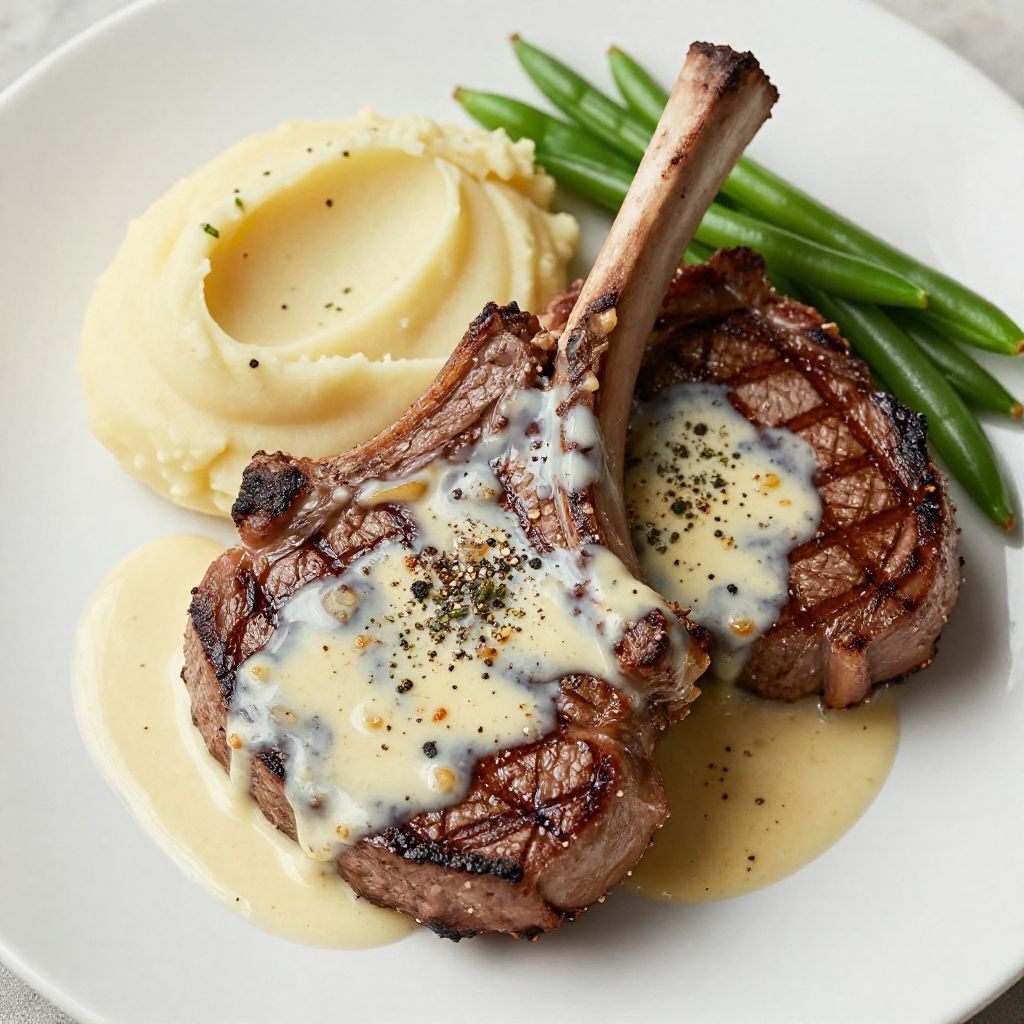
As I served it, the creamy sauce clung to the juicy steak, making every bite a delight. It quickly became a favorite, sparking laughter and happy conversations at the dinner table.
Recipe Overview
- Recipe Name: Milk Steak
- Servings: 4
- Prep Time: 10 minutes
- Cook Time: 20 minutes
- Total Time: 30 minutes
- Course: Main Dish
- Cuisine: American
- Calories per Serving: 400
Equipment You Will Need
- Skillet or frying pan
- Tongs
- Meat thermometer
- Measuring cups and spoons
- Cutting board
- Chef’s knife
Ingredients for Milk Steak
- 2 ribeye steaks (about 1 inch thick)
- 2 cups whole milk
- 2 tablespoons butter
- 1 tablespoon olive oil
- Salt (to taste)
- Pepper (to taste)
- 1 teaspoon garlic powder
- 1 teaspoon onion powder
Ingredient Notes and Substitutions
- Ribeye steaks: Known for their marbling, they provide great flavor. You can substitute with sirloin or filet mignon for a leaner option.
- Whole milk: This gives a rich, creamy sauce. Use half-and-half for a thicker sauce or skim milk for a lighter texture.
- Butter: Adds richness and flavor to the dish. You can swap with ghee for a dairy-free version.
- Olive oil: Used for cooking the steaks. Can be replaced with canola or vegetable oil.
How to Make Milk Steak
Step 1: Prepare the Steaks
Start by bringing your steaks to room temperature. This helps them cook evenly, preventing that frustrating scenario of a cold center.
Step 2: Season Generously
Generously season both sides of the steaks with salt, pepper, garlic powder, and onion powder. This boosts the flavor and creates a delicious crust.
Step 3: Heat the Skillet
Place your skillet over medium-high heat and add olive oil. Let it heat until shimmering, which ensures a perfect sear.
Step 4: Sear the Steaks
Add the steaks to the hot skillet. Sear for about 4-5 minutes on each side until a nice crust forms; this locks in juices.
Step 5: Add Milk
Once the steaks are seared, reduce the heat to medium-low and add the whole milk. The milk will create a creamy sauce while keeping the steaks moist.
Step 6: Cook to Desired Doneness
Use a meat thermometer to check for doneness; aim for 130°F for medium-rare. This ensures your steak remains juicy and tender.
Step 7: Add Butter
In the last minute of cooking, add butter to the milk. This enriches the sauce and adds a lovely sheen.
Step 8: Rest and Serve
Let the steaks rest for about 5 minutes. This allows the juices to redistribute, ensuring each bite is flavorful and moist.
Pro Tip: Always let your steak rest before slicing. This keeps it juicy!
Tips for the Best Milk Steak
- Choose high-quality steaks for the best flavor and tenderness.
- Don’t rush the searing process; patience is key to a great crust.
- Make sure to taste the sauce; adjust seasoning as needed.
- Experiment with herbs like thyme or rosemary for added flavor.
- Pair with a side of mashed potatoes to soak up that delicious sauce.
Common Mistakes to Avoid
- Not bringing steaks to room temperature can lead to uneven cooking.
- Overcooking the steaks makes them tough; use a thermometer.
- Skipping the resting period results in dry steak.
- Using low-quality milk dulls the flavor of the sauce.
Serving Suggestions
Milk Steak pairs beautifully with various sides that complement its rich flavors.
- Garlic mashed potatoes
- Steamed green beans
- Roasted Brussels sprouts
- Simple garden salad
Variations to Try
- Add mushrooms to the skillet for an earthy flavor.
- Try marinating the steaks in the milk overnight for more depth.
- Use a blend of different dairy like heavy cream for a richer sauce.
- Incorporate spicy seasonings for a kick, like cayenne pepper.
Dietary Adaptations
- Gluten-free: This recipe is naturally gluten-free.
- Dairy-free: Substitute milk with a non-dairy alternative like almond or coconut milk.
- Low-carb/keto: This dish fits well into a keto diet; just skip any carb-heavy sides.
Storage and Reheating
Refrigerator
Store leftovers in an airtight container for up to 3 days.
- Let cool completely before sealing.
Freezer
You can freeze the cooked steak for up to 2 months.
- Wrap in plastic wrap and foil to prevent freezer burn.
Reheating
Reheat gently in a skillet over low heat.
- Add a splash of milk to keep it moist while reheating.
Nutrition Information
| Nutrient | Amount |
|---|---|
| Calories | 400 |
| Total Fat | 30g |
| Saturated Fat | 12g |
| Carbohydrates | 6g |
| Fiber | 0g |
| Sugar | 5g |
| Protein | 30g |
| Sodium | 600mg |
| Cholesterol | 90mg |
This nutrition information is approximate and may vary based on specific ingredients used.
Frequently Asked Questions
Can I make this recipe ahead of time?
Yes, you can prepare the steak and sauce in advance and reheat when ready to serve.
Can I use a different cut of meat?
Absolutely! Sirloin or filet mignon can work well if you prefer a leaner option.
What can I do if the sauce is too thick?
If the sauce is too thick, simply whisk in a little more milk to reach your desired consistency.
How do I know if my steak is done?
A meat thermometer is your best friend; aim for 130°F for medium-rare.
Can I use non-dairy milk?
Yes, non-dairy alternatives work fine, but the flavor will differ slightly.
Final Thoughts
Making Milk Steak is a delightful experience that brings a unique twist to your dinner table. With its creamy, savory sauce and tender meat, this dish is sure to impress.
So why not give it a try? You might just find a new favorite right here!
If you’re interested in more delicious recipes, check out our Hamburger Steak Recipe or explore more on Milk Steak Recipe.
Milk Steak
Ingredients
Equipment
Method
- Bring the steaks to room temperature, about 30 minutes before cooking.
- Season both sides of the steaks evenly with salt, pepper, garlic powder, and onion powder.
- Heat a skillet over medium-high heat and add the olive oil, cooking until shimmering.
- Add the steaks to the hot skillet and sear for 4-5 minutes on each side until a golden-brown crust forms.
- Reduce heat to medium-low and pour in the whole milk, stirring gently to combine.
- Cook the steaks in the milk sauce until the internal temperature reaches 130°F for medium-rare, about 3-5 minutes more.
- In the last minute of cooking, stir in the butter until melted and the sauce is glossy.
- Remove the steaks from the skillet and let them rest for 5 minutes before serving to retain juices.