
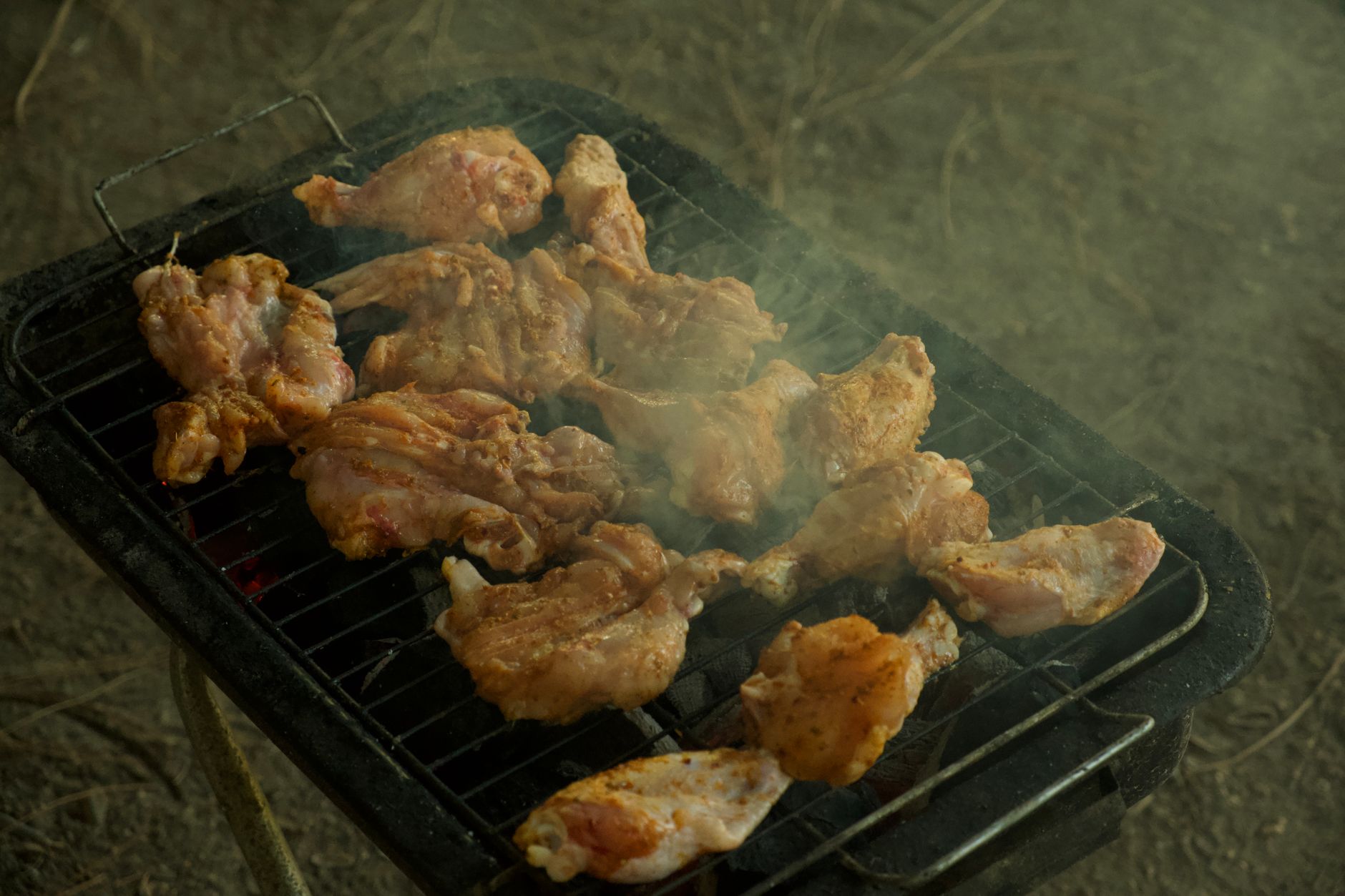
Smoking chicken wings at 300°F creates mouthwatering, flavorful results in a relatively short amount of time. The high temperature allows for a crispy skin while ensuring the meat remains tender and juicy. Whether you’re preparing for a tailgate, a barbecue, or simply a family dinner, knowing the right timing for smoking wings can elevate your culinary experience.
This guide will explore everything you need to know about smoking wings at 300°F, including timing, techniques, and tips for achieving the best flavor and texture. Let’s dive into the details to make your next smoked chicken wing endeavor a success.
How Long to Smoke Wings at 300°F?
When smoking chicken wings at 300°F, it typically takes about 40 to 50 minutes for them to reach the desired internal temperature of 165°F. Factors such as the size of the wings and your specific smoker can influence cooking time, so monitoring the wings closely is essential for perfect results.
Understanding Smoking Chicken Wings
Smoking wings involves a cooking process that infuses the meat with rich flavors while allowing the fat to render and the skin to crisp. The choice of wood type used for smoking will further affect the flavor profile. Popular options include hickory for a strong, robust taste, or applewood for something milder and slightly sweet.
Preparation Steps for Smoking Chicken Wings
Before smoking your chicken wings, some preparation is necessary to ensure optimal flavor and texture. Here’s a step-by-step guide to get you started:
1. Selecting the Right Wings
The first step is choosing your chicken wings. You can opt for whole wings, which consist of the drummette, flat, and tip, or you can buy pre-cut wing pieces. Whole wings generally have more flavor due to the skin and fat that contribute to moisture during smoking.
2. Seasoning Your Wings
Whether you prefer a dry rub or a marinade, seasoning is key to elevating the flavor. Here are two popular options:
- Dry Rub: Combine spices like paprika, garlic powder, onion powder, cayenne pepper, salt, and pepper for a classic dry rub.
- Marinade: A mixture of soy sauce, honey, garlic, and ginger can provide a savory-sweet marinade.
Whichever you choose, ensure the wings are well coated and let them marinate in the fridge for at least 30 minutes, or up to overnight for maximum flavor absorption.
3. Preparing the Smoker
While the wings are marinating, you can prepare your smoker. Here are some essentials:
- Preheat your smoker to 300°F.
- Select your wood chips and soak them in water for at least 30 minutes if using a charcoal or wood smoker.
- If using an electric smoker, ensure it’s plugged in and set to the correct temperature.
4. Placing the Wings in the Smoker
Once your smoker is at the right temperature, place the seasoned wings on the grates. Arrange them in a single layer, leaving space between each wing for even cooking. Avoid overcrowding, as this can trap steam and prevent achieving crispy skin.
Timing Your Wings: The Smoking Process
As mentioned earlier, smoking chicken wings at 300°F typically requires 40 to 50 minutes. However, this timing can vary based on size and smoker efficiency. Here’s how to monitor the process:
1. Use a Meat Thermometer
Investing in a reliable meat thermometer is crucial. The wings are safe to eat when they reach an internal temperature of 165°F. Insert the thermometer into the thickest part of the wing, avoiding the bone for an accurate reading.
2. Check for Doneness
In addition to the internal temperature, check the skin’s texture. Crispy, golden-brown skin indicates that the wings are likely done. Cooking too long can result in dry wings, while undercooked wings will be gummy and lack flavor.
3. Adjusting Cooking Time
If the wings are not reaching the right temperature within the expected time frame, consider the following adjustments:
- Check your smoker’s temperature; fluctuations can occur, affecting cooking times.
- Consider the size of the wings; larger wings may need additional cooking time.
- Keep the lid closed as much as possible to maintain heat and smoke.
After Smoking: Finishing Touches
Once the wings reach a safe temperature, remove them from the smoker. Here are some finishing touches to enhance your wings:
1. Saucing the Wings
If you prefer sauced wings, toss them in your favorite barbecue sauce, buffalo sauce, or teriyaki sauce while they’re still hot. For a thicker glaze, return them to the smoker for an additional 5 to 10 minutes after saucing.
2. Letting Them Rest
Allow the smoked wings to rest for about 5 to 10 minutes before serving. This helps to retain moisture and enhances flavor.
Serving Suggestions
Smoked chicken wings are versatile and can be served with various accompaniments. Here are some popular sides and dips:
- Celery and Carrot Sticks: The crunch of fresh vegetables complements the smoky flavor well.
- Dips: Ranch dressing, blue cheese dressing, or honey mustard are classic choices.
- Coleslaw: A tangy coleslaw can provide a nice contrast to the richness of the chicken wings.
Storage and Reheating
If you have leftover smoked wings, proper storage is essential for maintaining their flavor and texture. Follow these guidelines:
1. Storing Smoked Wings
Allow the wings to cool completely before storing. Place them in an airtight container and refrigerate for up to 3 days. For longer storage, consider freezing them. You can freeze smoked wings for up to 3 months. Wrap them tightly in aluminum foil or freezer-safe bags to prevent freezer burn.
2. Reheating Smoked Wings
Reheat smoked wings in the oven to maintain crispiness. Preheat the oven to 350°F, place the wings on a baking sheet, and heat for 15 to 20 minutes, or until warmed through. For a quicker option, you can use a microwave, but this may result in less crispy skin.
Common Mistakes and Troubleshooting
While smoking chicken wings is relatively straightforward, even seasoned cooks can encounter issues. Here are common mistakes to watch out for, along with solutions:
1. Wings Are Not Crispy
If your wings are not achieving the desired crispiness, consider increasing the temperature slightly towards the end of the cook. Additionally, ensure they are spaced out on the smoker grates to allow air circulation.
2. Overcooking or Undercooking
To prevent overcooking, keep an eye on the internal temperature towards the end of the cooking process. If you find your wings are undercooked, cover the smoker and let them cook for an additional 5 to 10 minutes, checking the temperature frequently.
3. Inconsistent Smoke Flavor
Ensure your smoker’s wood supply is adequate. If the wings lack smoke flavor, consider using a stronger wood variety or adding smoke chips every 20 minutes throughout the cooking process.
Variations on Smoked Wings
While traditional smoky wings are a fan favorite, consider experimenting with different flavors and techniques:
1. Spicy Smoked Wings
Incorporate cayenne pepper, chili powder, or hot sauce into your seasoning or marinade for an extra kick. You can also serve wings with spicy dipping sauces for those who like it hot.
2. Sweet and Sticky Wings
Use a sweet marinade or glaze such as honey, maple syrup, or brown sugar. These options caramelize beautifully during smoking, creating a sticky, delicious wing.
3. Herb-Infused Wings
Add fresh herbs such as rosemary or thyme to your dry rub or marinade. These will infuse the wings with fragrant, herbal notes that take the flavor to the next level.
Conclusion
Smoking chicken wings at 300°F is a rewarding culinary process that results in deliciously crispy and flavorful wings. By following the guidelines outlined above regarding timing, preparation, and serving, you can ensure a delightful experience for your friends and family. Ready to put your newfound knowledge to the test? Fire up that smoker and enjoy a platter of perfectly smoked chicken wings!
If you’re looking for more creative chicken recipes, consider exploring how to smoke chicken thighs or try out a turkey wings recipe for your next gathering.