
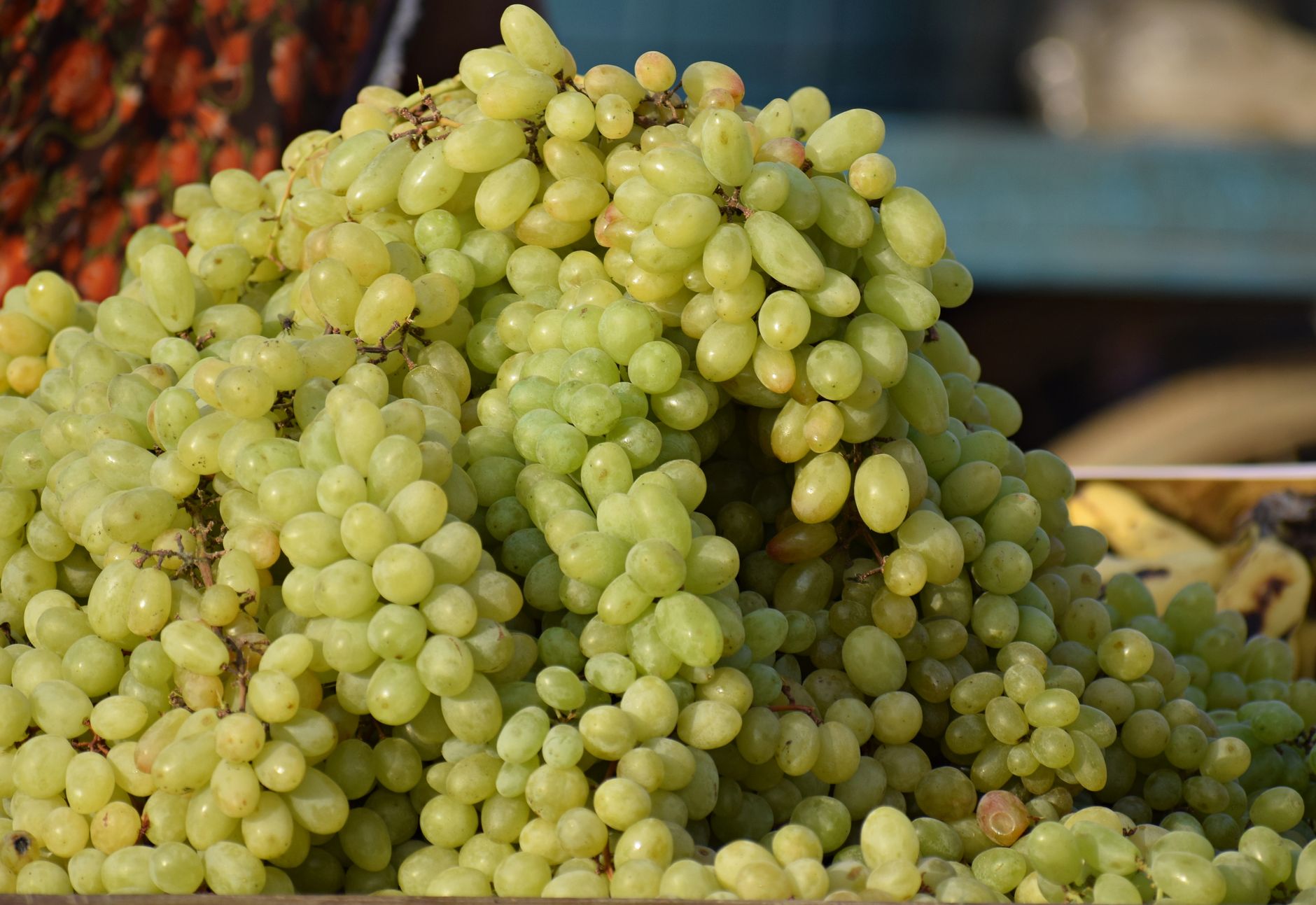
Grapes are not only a delicious and versatile fruit but also a great source of essential vitamins and minerals. One such mineral that often comes up in discussions about grapes is potassium. Packed with flavors that range from sweet to tart, grapes can be enjoyed in various ways, whether as a snack, in salads, or as ingredients in dishes and beverages.
This article delves into whether grapes contain potassium, the amount present in different types, and how you can incorporate this fruit into various meals for optimal nutrition.
Does Grapes Have Potassium?
Yes, grapes do contain potassium. The potassium content can vary based on the type of grape, but on average, a cup of grapes provides a good amount of this essential mineral, contributing to your daily intake for maintaining bodily functions.
Understanding Potassium and Its Benefits
Potassium is an essential mineral and electrolyte that plays a significant role in various bodily functions, including:
- Regulating fluid balance and blood pressure
- Supporting muscle and nerve function
- Promoting proper cardiovascular health
The recommended daily intake of potassium varies based on age and sex but generally stands around 2,500 to 3,000 mg for adults. Consuming enough potassium can help reduce the risk of hypertension and stroke and may contribute to overall heart health.
Potassium Content in Grapes
The potassium content in grapes varies by variety, but here’s a quick overview:
| Type of Grape | Potassium Content (per 1 cup) |
|---|---|
| Red Grapes | 288 mg |
| Green Grapes | 322 mg |
| Black Grapes | 312 mg |
| Seedless Grapes | 288-332 mg |
As seen from the table, grapes can indeed contribute to your potassium intake, especially when consumed in generous portions. Eating a variety of grape types may help maximize nutrient benefits.
Incorporating Grapes Into Your Diet
With their pleasant flavor and juiciness, grapes make an excellent addition to many meals and snacks. Here are several ideas for incorporating grapes into your diet:
1. Eating Them Fresh
The simplest way to enjoy grapes is to eat them fresh. They can be a quick snack or a delightful addition to a fruit salad. Pairing grapes with cheese or yogurt can also enhance their taste and nutritional benefits.
2. In Salads
Grapes can add a sweet burst to green salads. Consider mixing them with leafy greens, nuts, and cheese for a crunchy, savory experience. Their natural sweetness balances well with tangy dressings.
3. Grape Smoothies
Adding grapes to smoothies can boost flavor and nutrition. Combine them with bananas, spinach, yogurt, or other fruits for a healthy blend that benefits from the potassium grapes provide.
4. Frozen Grapes as a Snack
Freezing grapes can make for a refreshing snack. They can be enjoyed on their own or used to chill beverages without diluting them.
5. Baking and Cooking
Grapes can be used in baking and cooking, such as in savory dishes like roasted chicken with grapes or grape jelly meatballs. They bring moisture and flavor that can complement many ingredients.
6. Grape Juice
Making homemade grape juice is another way to enjoy the potassium in grapes. Just be cautious with portion sizes, as fruit juices can have high sugar concentrations.
Portion Sizes for Potassium Intake
To maximize your potassium consumption from grapes, consider portion sizes. Here are some general guidelines:
- A standard serving of grapes is about 1 cup (150 grams).
- That serving provides a significant percentage of the recommended daily potassium intake.
- Pairing grapes with other potassium-rich foods, such as bananas or spinach, can help reach daily levels.
Common Mistakes When Eating Grapes
While grapes are nutritious, there are a few common mistakes to be aware of when incorporating them into your diet:
1. Skipping Variety
Focusing solely on one type of grape may limit your nutrient intake. Consider rotating between red, green, and black grapes for a broader range of nutrients.
2. Overconsumption of Grape Juice
While grape juice can be healthy, it is easy to consume too much due to its concentrated sugar content. Limit juice intake to one small glass or dilute it with water.
3. Not Cleaning Grapes Properly
Always wash grapes before consuming to remove pesticides or contaminants. Rinsing them under cold water is sufficient.
Storing Grapes
Proper storage is key to maintaining the freshness of grapes:
- Keep grapes in the refrigerator to extend their shelf life.
- Do not wash them until ready to eat, as moisture can lead to mold.
- Store them in a breathable container or a produce bag to avoid excess moisture buildup.
Conclusion
Grapes are not only a delightful treat but also a valuable source of potassium that can help support a balanced diet. With various ways to enjoy them, from fresh to frozen, there’s no excuse not to add grapes to your meals. They provide a delicious way to enhance your nutrient intake while satisfying your sweet tooth.
For more ways to enjoy grapes, explore these delightful recipes: candied grapes and grape jelly meatballs.