
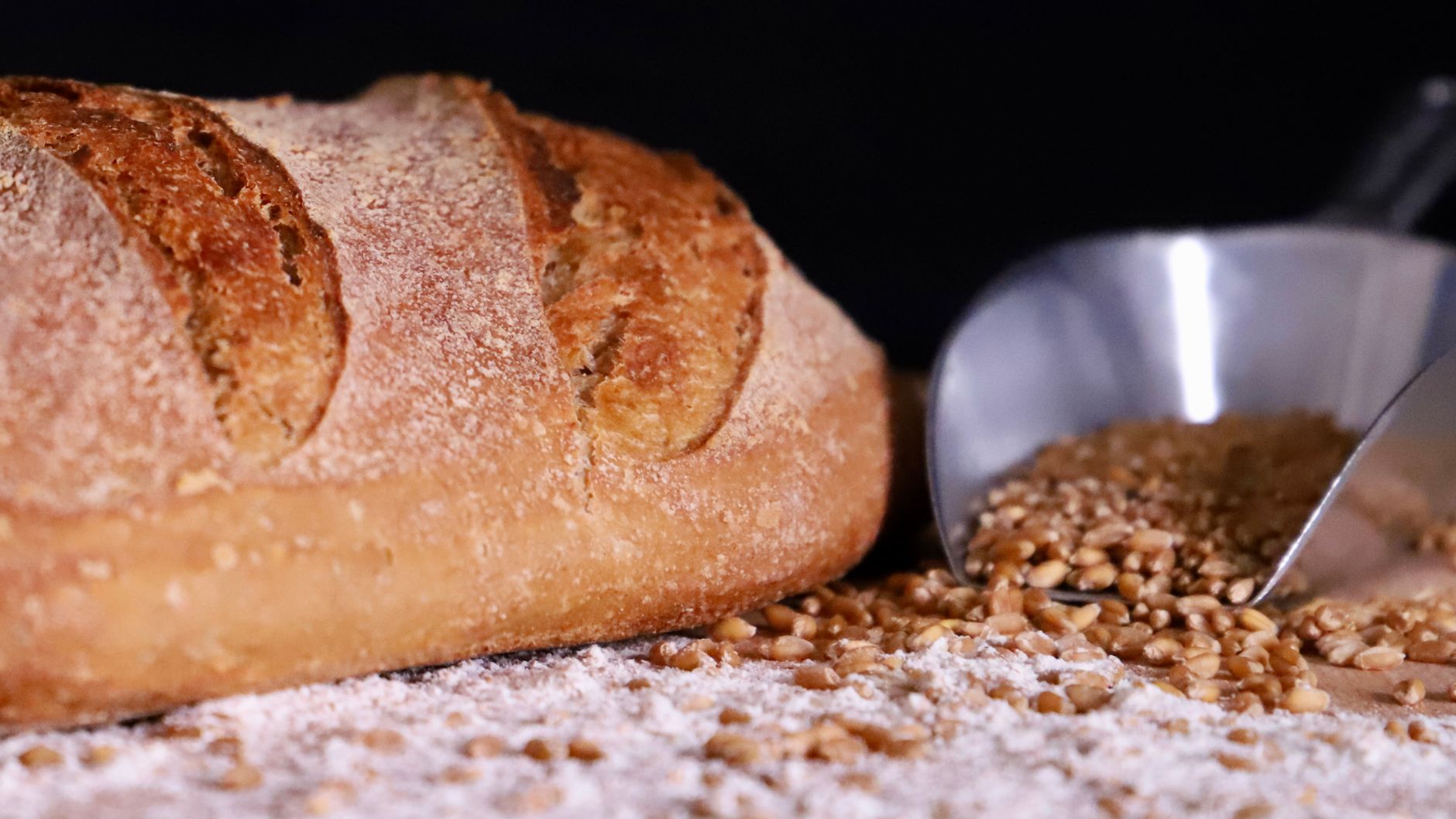
Sourdough bread has gained popularity for its unique flavor and potential health benefits. Many people wonder, “Is sourdough bread low carb?” The answer isn’t straightforward, as it depends on various factors including the ingredients used and portion sizes. Understanding these aspects can help you make informed choices about incorporating sourdough into your diet.
This article will explore the carbohydrate content of sourdough bread, how it compares to other bread types, and the nutritional implications of consuming sourdough. We will also discuss the portions you should consider and provide tips for enjoying sourdough as part of a balanced diet.
Is Sourdough Bread Low Carb?
Sourdough bread typically contains about 15-20 grams of carbohydrates per slice, depending on the recipe and ingredients. While this isn’t classified as “low carb,” sourdough may be easier to digest due to the fermentation process, which could have benefits for some individuals. Therefore, while it can be included in a low-carb diet, moderation is key.
Understanding Carbohydrates in Bread
To better grasp the carbohydrate content of sourdough, it’s essential to understand what carbohydrates are in bread. Carbohydrates can be broken down into three categories: sugars, starches, and fiber. The majority of the carbohydrates in bread come from starches.
When you consume carbohydrates, your body breaks them down into glucose, which is used for energy. However, not all carbs are created equal. Fiber, for instance, is a type of carbohydrate that your body doesn’t fully digest but still has numerous health benefits. It can help with digestion and provide a feeling of fullness.
Nutritional Breakdown of Sourdough Bread
The precise nutritional content of sourdough bread can vary widely based on its ingredients, but a typical slice (about 28 grams) might contain:
- Calories: 70-80
- Carbohydrates: 15-20 grams
- Fiber: 1-2 grams
- Protein: 2-3 grams
- Fat: 0-1 gram
Here, the carbohydrate content, while not extremely low, is offset by fiber content, which can help moderate blood sugar spikes. Additionally, sourdough is often made from whole grain flours, which supply more nutrients and fiber than white bread alternatives.
The Fermentation Process
Sourdough bread is unique due to its fermentation process, which not only contributes to its distinct flavor but also impacts its nutritional properties. During fermentation, wild yeast and lactic acid bacteria break down the carbohydrates and proteins in the dough.
This process makes some of the nutrients more bioavailable, meaning your body can absorb them more easily. Additionally, fermentation can lower the glycemic index of bread, which indicates how quickly a food can raise blood sugar levels. Lowering the glycemic index may make sourdough a better option for those monitoring their blood sugar.
Comparing Sourdough to Other Breads
When considering whether sourdough is low carb, it helps to compare it with other types of bread. Here are some common breads and their carbohydrate contents per slice:
- White bread: 13-15 grams of carbohydrates
- Whole wheat bread: 15 grams of carbohydrates
- Rye bread: 15-20 grams of carbohydrates
- Oat bread: 20-25 grams of carbohydrates
As you can see, sourdough bread’s carb content is comparable to other breads, especially whole grain and rye options. The key difference lies in its fermentation, which alters digestibility and nutritional impact.
Portion Control
Portion size plays a crucial role in controlling carbohydrate intake. While one slice of sourdough may not seem excessive, it’s essential to consider how many servings you consume in a sitting. A common practice is to limit your serving of sourdough to one or two slices, especially if you are adhering to a low-carb diet.
Also, consider pairing sourdough with low-carb toppings or spreads, such as:
- Avocado
- Nut butters
- Hummus
- Eggs or egg salad
These combinations can enhance the nutritional value while keeping the overall carb count reasonable.
Alternatives to Sourdough Bread
If you are specifically looking for low-carb bread options, you may want to consider alternatives that are made from non-grain sources, such as:
- Cloud bread: Made primarily from eggs and cream cheese, it contains very few carbs.
- Flaxseed bread: Made from flaxseed meal, it offers a low-carb, high-fiber option.
- Almond flour bread: Rich in healthy fats and low in carbohydrates.
These alternatives can be utilized in various recipes that traditionally call for bread, helping you stay within your dietary restrictions.
Practical Tips for Including Sourdough
Here are some practical tips to incorporate sourdough bread into a balanced diet without overindulging on carbohydrates:
- Choose whole grain sourdough: Opt for breads made from whole grains to maximize fiber intake.
- Monitor portions: Limit yourself to one or two slices and pair them with high-fiber spreads.
- Use as a base: Instead of large servings, use small pieces of toast topped with nutritious ingredients for a snack or meal.
- Combine with low-carb sides: Enjoy sourdough with sides low in carbs, such as salads or vegetable dishes.
- Experiment with recipes: Consider making your own sourdough bread at home with lower carb or alternative flours.
Culinary Versatility of Sourdough
Aside from its nutritional value, sourdough bread is incredibly versatile in the kitchen. You can use it in a variety of dishes, including:
- Sourdough toast: A classic breakfast option. Top it with avocado or almond butter for added nutrition.
- French toast: A delightful twist on a traditional recipe when made with sourdough.
- Paninis and sandwiches: Sourdough holds up well when filled with hearty ingredients.
- Breadcrumbs: Leftover sourdough can be turned into delicious breadcrumbs, perfect for frying or baking.
Potential Health Benefits of Sourdough
While sourdough bread may not be classified as low carb, it offers some unique health benefits due to its fermentation process and ingredient profile. Some of the potential benefits include:
- Improved digestion: The fermentation process helps break down gluten and phytic acid, potentially making it easier on the digestive system.
- Better nutrient absorption: Fermented foods often help your body absorb nutrients more efficiently.
- Lower glycemic index: Sourdough bread tends to raise blood sugar levels less dramatically than regular bread.
As with any food, the impact can vary among individuals, and it’s essential to pay attention to how your body reacts to sourdough consumption.
How to Make Sourdough Bread at Home
For those interested in taking control of the ingredients, making sourdough bread at home can be a rewarding experience. Below is a simplified overview of the process, though detailed recipes are more comprehensive.
- Create a sourdough starter: Combine equal parts flour and water and let it sit at room temperature, feeding it daily until it becomes bubbly.
- Mix the dough: Use your starter, water, flour, and salt. Mix until a wet dough forms.
- Kneading: Knead the dough until it’s elastic and smooth, then let it rest for a few hours for fermentation.
- Shape and proof: Shape the dough and let it proof until it has roughly doubled in size.
- Bake: Preheat your oven, score the top of the dough, and bake until golden brown.
This is a high-level overview, and successful sourdough baking involves understanding concepts like hydration levels, fermentation timing, and oven temperature management. Various resources online provide detailed guides and techniques.
Storage and Reheating
Proper storage will help maintain the freshness of your sourdough bread. Here are tips for storage:
- Room temperature: Store sourdough in a paper bag or cloth to allow it to breathe (avoid plastic, which can make it soggy).
- Freezing: Sourdough can be frozen for longer storage. Slice it first, then wrap in plastic wrap and store in an airtight container.
To reheat, you can toast the bread or warm it in the oven wrapped in foil. Keep in mind that excess reheating may dry it out.
Common Mistakes to Avoid
When working with sourdough, there are some common pitfalls to avoid:
- Inaccurate measurements: Baking relies heavily on precise measurements, especially in sourdough recipes.
- Neglecting the starter: Your sourdough starter requires regular feeding and care for optimal performance.
- Rushing the fermentation process: Allow adequate time for the dough to rise and develop flavor.
Conclusion
In summary, sourdough bread is not classified as low-carb due to its carbohydrate content, typically ranging from 15 to 20 grams per slice. However, its unique fermentation process may provide digestive and nutritional benefits. Proper portion control and mindful consumption can allow you to enjoy sourdough within a balanced diet.
For those looking to manage their carbohydrate intake, consider exploring low-carb alternatives or experimenting with portion sizes. You can also enhance your meals by incorporating nutrient-rich toppings. Taking the time to understand sourdough bread’s properties will enrich your culinary experience and nutritional choices.
If you’re interested in further exploring the world of sourdough, check out our informative piece on what sourdough is and try making a delicious sourdough baguette at home!