
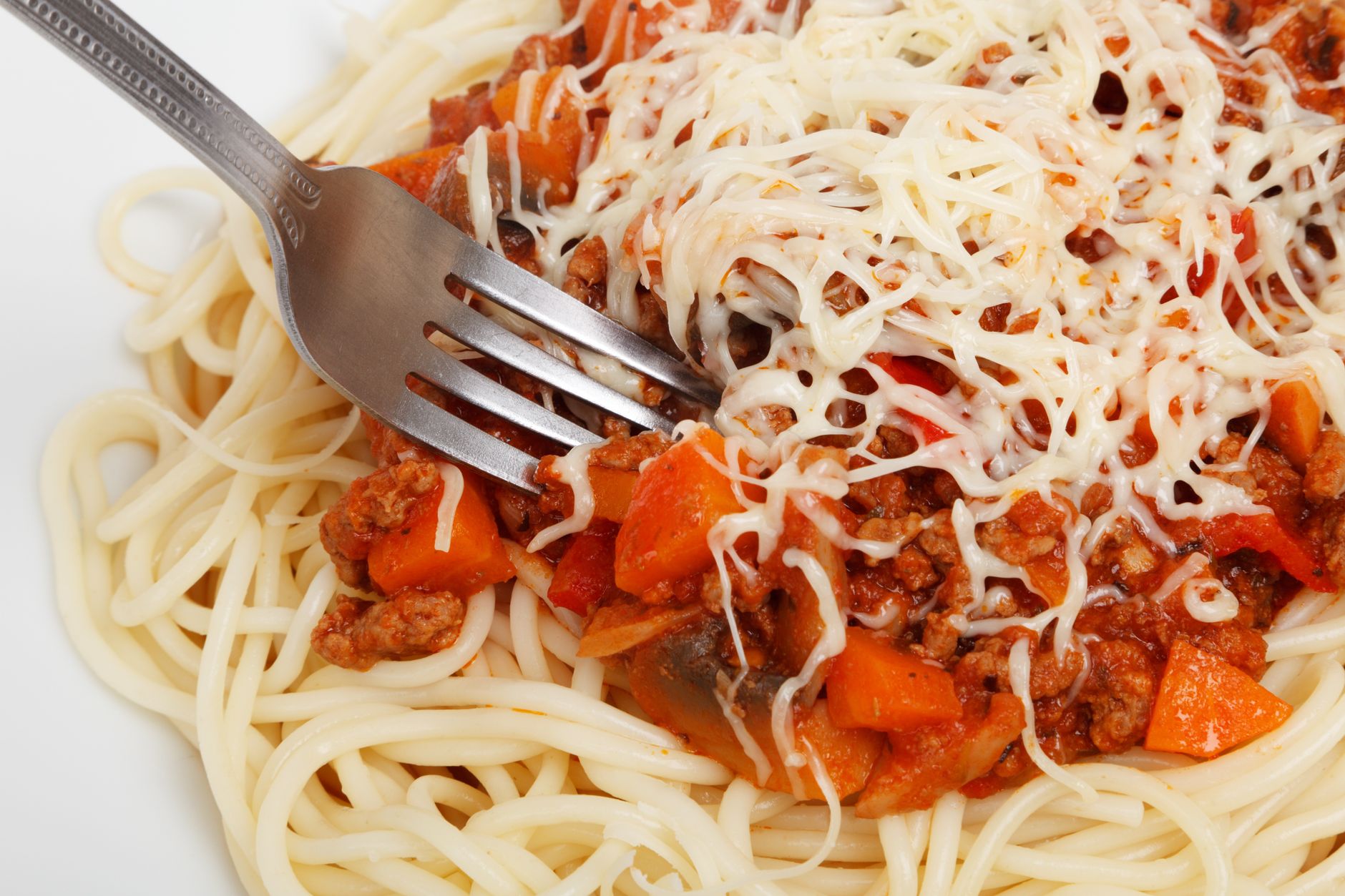
Spaghetti and meat sauce are beloved staples in many households, combining the satisfying texture of pasta with a rich and hearty sauce. The good news is that both elements can be frozen, allowing you to save time in the kitchen and enjoy a delicious meal on busy days. If you’re wondering how to properly freeze spaghetti and meat sauce, you’ve come to the right place.
This guide covers the ins and outs of freezing spaghetti and meat sauce, how to properly store them, as well as a few tips to make the most of your meal prep. You’ll learn not just about freezing but also about reheating for the best taste and texture upon serving.
Can You Freeze Spaghetti And Meat Sauce?
Yes, you can freeze spaghetti and meat sauce. Both components freeze well, but there are specific methods to ensure that the flavor and texture remain appealing after thawing. It’s crucial to freeze each component separately for optimal results, but you can also freeze them together if desired.
Why Freeze Spaghetti and Meat Sauce?
Freezing spaghetti and meat sauce provides numerous benefits:
- Time-Saving: Having ready-to-go meals in the freezer reduces cooking time on busy nights.
- Portion Control: You can freeze individual servings for convenient, balanced meals.
- Reduce Waste: If you have leftover sauce or pasta, freezing can prevent food waste.
- Meal Prep: Freezing makes meal planning easier, allowing you to enjoy homemade meals at any time.
Preparing Spaghetti and Meat Sauce for Freezing
To successfully freeze spaghetti and meat sauce, follow these steps:
Cooking the Sauce
If you’re preparing meat sauce from scratch, start by cooking it according to your favorite recipe. If you don’t have a favorite, here’s a simple process:
- Ingredients: You will need the following for a basic meat sauce:
- 1 pound ground beef or turkey
- 1 onion, finely chopped
- 2 cloves garlic, minced
- 1 can (28 ounces) crushed tomatoes
- 1 can (6 ounces) tomato paste
- 1 tablespoon Italian seasoning
- Salt and pepper to taste
- Cooking Instructions: In a large skillet, brown the ground meat over medium heat. Add onions and garlic, cooking until softened. Stir in crushed tomatoes, tomato paste, and seasonings. Simmer for 20-30 minutes, stirring occasionally.
Cooking the Spaghetti
To prepare the spaghetti, follow these steps:
- Boil water in a large pot and add a pinch of salt. Cook the spaghetti according to package instructions until al dente. Generally, this takes about 8-10 minutes.
- Drain the pasta, but do not rinse it. Rinsing can wash away the starch that helps sauce adhere.
- Let the spaghetti cool to room temperature before freezing.
Freezing Spaghetti and Meat Sauce Separately
Freezing spaghetti and meat sauce separately is often recommended for texture and flavor preservation.
How to Freeze Meat Sauce
To freeze meat sauce:
- Once the sauce has cooled to room temperature, transfer it into airtight containers or freezer bags. Leave some room for expansion if using containers.
- Label and date your containers or bags.
- Seal tightly and lay bags flat in the freezer to save space.
How to Freeze Spaghetti
For spaghetti, follow these steps:
- Place the cooled spaghetti in a freezer-safe container or bag.
- To reduce clumping, drizzle a little oil over the spaghetti and toss gently.
- As with the sauce, label and date your containers.
- Seal tightly, ensuring as much air is removed as possible if using bags.
Freezing Spaghetti and Meat Sauce Together
You can also freeze the two components together if desired. Here’s how:
- Combine the cooked spaghetti and meat sauce in a large bowl, mixing well to ensure the pasta is well-coated in sauce.
- Transfer the mixture into an airtight freezer-safe container.
- Label, date, and seal tightly.
Storage Tips for Frozen Spaghetti and Meat Sauce
A few tips can enhance the freezing experience:
- Use high-quality freezer bags or containers to prevent freezer burn.
- Remove as much air as possible from bags to keep out moisture and preserve flavor.
- Consume frozen spaghetti and meat sauce within 2-3 months for the best quality.
- Keep track of when you freeze items by marking containers or bags with the date.
Thawing and Reheating Spaghetti and Meat Sauce
Once you’re ready to enjoy your frozen spaghetti and meat sauce, proper thawing and reheating methods are crucial for maintaining flavor and texture.
Thawing
To properly thaw your frozen meal:
- In the Refrigerator: For the best results, transfer the frozen spaghetti or meat sauce from the freezer to the refrigerator for 24 hours before reheating.
- In Cold Water: For a faster option, seal your meat sauce or spaghetti in a waterproof bag and submerge it in cold water for a few hours until thawed.
- Microwave: As a last resort, you can use the microwave to defrost but take care to avoid cooking the edges. Use the defrost setting and check regularly.
Reheating
Once thawed, reheat the spaghetti and meat sauce properly:
- On the Stovetop: Heat in a saucepan over medium-low heat, stirring occasionally until warmed through.
- In the Microwave: Place in a microwave-safe dish, cover with a lid or microwave-safe wrap, and heat in intervals, stirring between each until hot.
- Add Liquid: If the sauce thickens too much during freezing or reheating, you can add a splash of water or broth to regain consistency.
Common Mistakes to Avoid When Freezing Spaghetti and Meat Sauce
Even seasoned cooks can make mistakes during the freezing process. Here are some common pitfalls to avoid:
- Freezing Without Cooling: Always let spaghetti and meat sauce cool before freezing to avoid condensation, which can lead to freezer burn.
- Not Labeling Containers: Forgetting to label can lead to confusion later on with older food products.
- Rinsing Pasta: Rinsing pasta can inhibit sauce adherence and create a gummy texture after reheating.
- Skipping Air Removal: Not removing air from bags increases the risk of freezer burn.
Serving Suggestions
Once you’ve reheated your spaghetti and meat sauce, consider these serving suggestions to elevate the meal:
- Fresh Herbs: Add freshly chopped basil or parsley for a burst of flavor.
- Cheese: Sprinkle grated Parmesan or mozzarella cheese on top before serving.
- Sides: Serve with garlic bread and a side salad for a complete meal.
Variations and Substitutions
Consider these options if you want to mix things up:
- Meat Variations: Substitute ground beef with turkey, chicken, or plant-based meat alternatives for different textures and flavors.
- Vegetable Additions: Add diced bell peppers, mushrooms, or zucchini to the sauce for added nutrition.
- Pasta Types: Experiment with other pasta shapes, such as penne or rigatoni, for variety.
Conclusion
Freezing spaghetti and meat sauce is a practical way to enjoy this classic meal at your convenience. By following proper preparation, storage, thawing, and reheating techniques, you can ensure that your frozen dishes maintain their delicious flavor and texture.
To make the most of your kitchen skills, check out related recipes and guides, such as how to freeze chili at this link, or try making a homemade meat sauce by visiting this recipe.