
Picture this: a tender, flaky piece of salmon, glistening with a sweet and savory glaze that dances on your taste buds. The Baked Salmon Recipe Brown Sugar is a delightful dish that strikes the perfect balance between sweet and savory, making it a crowd-pleaser at any dinner table.
This recipe shines for its simplicity and quick prep time, allowing you to indulge in a gourmet meal without the fuss. With its caramelized crust and juicy interior, it’s sure to become a staple in your cooking repertoire.
Why You’ll Love This Recipe
This baked salmon is irresistible for a few key reasons.
- Quick and easy preparation — perfect for busy weeknights.
- Sweet and savory flavor profile that complements the fish beautifully.
- Healthy and nutritious, packed with omega-3 fatty acids.
- Versatile — pairs well with a variety of sides.
- Impressive enough for entertaining, yet simple enough for everyday meals.
My Experience Making This Recipe
I first made this dish on a weeknight when I wanted something special without a major time commitment. The aroma wafting from the oven was simply heavenly, and I couldn’t wait to dig in.
When I served it to my family, the compliments flowed, and the plate was clean in no time. It’s safe to say this dish has found a permanent spot in my meal rotation!
Recipe Overview
- Recipe Name: Baked Salmon Recipe Brown Sugar
- Servings: 4
- Prep Time: 10 minutes
- Cook Time: 15 minutes
- Total Time: 25 minutes
- Course: Main Course
- Cuisine: American
- Calories per Serving: 280
Equipment You Will Need
- Baking sheet
- Parchment paper or aluminum foil
- Bowl for mixing
- Spoon or spatula for spreading
- Measuring spoons
Ingredients for Baked Salmon Recipe Brown Sugar
- 4 salmon fillets
- 1/4 cup brown sugar
- 2 tablespoons soy sauce
- 1 tablespoon Dijon mustard
- 1 tablespoon olive oil
- 1 teaspoon garlic powder
- Salt and pepper to taste
Ingredient Notes and Substitutions
- Salmon fillets: Salmon is rich in flavor and healthy fats. You can substitute with trout or another fatty fish for a similar taste.
- Brown sugar: This adds sweetness and caramelization. Coconut sugar works as a healthier alternative.
- Soy sauce: It provides umami flavor. Tamari or coconut aminos can be used for a gluten-free option.
- Dijon mustard: Adds a tangy kick. Yellow mustard can be used if you prefer a milder flavor.
- Olive oil: Helps the glaze adhere to the fish. Any neutral oil, like canola or avocado, will work too.
How to Make Baked Salmon Recipe Brown Sugar
Step 1: Preheat the Oven
Preheat your oven to 375°F (190°C). This step ensures the salmon cooks evenly and gets that nice caramelization on top.
Step 2: Prepare the Baking Sheet
Line a baking sheet with parchment paper or aluminum foil to prevent sticking and make cleanup easier. Nobody wants a messy kitchen after an impressive meal.
Step 3: Mix the Glaze
In a bowl, combine the brown sugar, soy sauce, Dijon mustard, olive oil, garlic powder, salt, and pepper. This mixture will create a sweet and savory glaze that enhances the salmon beautifully.
Step 4: Coat the Salmon
Place the salmon fillets on the prepared baking sheet. Generously spoon the glaze over each fillet, ensuring they are well-coated for maximum flavor.
Step 5: Bake the Salmon
Put the baking sheet in the preheated oven and bake for 15 minutes. This allows the salmon to cook through while the glaze caramelizes, creating a delicious crust.
Step 6: Check for Doneness
After 15 minutes, check the salmon for doneness. It should flake easily with a fork and have an internal temperature of 145°F (63°C).
Step 7: Broil for Extra Crispiness
If you want a little extra caramelization, switch the oven to broil for 1-2 minutes. Keep a close eye to prevent burning; nobody wants charred salmon!
Step 8: Serve and Enjoy
Once done, remove the salmon from the oven and let it rest for a few minutes. Serve with your favorite sides and enjoy the fantastic flavors.
Pro Tip: For the best flavor, let the salmon marinate in the glaze for 30 minutes before baking.
Tips for the Best Baked Salmon Recipe Brown Sugar
- Use fresh salmon for the best flavor and texture. Frozen can work, but fresh is always superior.
- Don’t overcrowd the baking sheet. Give each fillet space to cook evenly.
- Experiment with the glaze by adding your favorite herbs or spices for added depth.
- Let the salmon rest after baking to keep it juicy and flavorful.
- Serve with a sprinkle of fresh herbs for a pop of color and freshness.
Common Mistakes to Avoid
- Overcooking the salmon can lead to a dry texture. Always check for doneness with a fork.
- Not seasoning properly can make the dish bland. Don’t be shy with the salt and pepper.
- Skipping the marinating step can miss out on deeper flavors. Let it soak in that glaze!
- Using low-quality salmon can affect the overall taste. Opt for wild-caught if possible.
Serving Suggestions
This baked salmon pairs wonderfully with a variety of sides. Here are some ideas to complement your meal:
- Steamed asparagus with lemon
- Garlic mashed potatoes
- Quinoa salad with cherry tomatoes
- Roasted Brussels sprouts
- Green salad with a light vinaigrette
Variations to Try
- Add a tablespoon of honey for extra sweetness and a more complex flavor.
- Incorporate fresh herbs like dill or parsley for a refreshing touch.
- Swap out the soy sauce for teriyaki for a different flavor profile.
- Top with sliced almonds before baking for added crunch and nutrition.
- Make it spicy by adding red pepper flakes to the glaze.
Dietary Adaptations
- Gluten-free: Use tamari instead of soy sauce.
- Dairy-free: This recipe is naturally dairy-free; no swaps needed.
- Vegan/vegetarian: This dish is not suitable, but you could use tofu for a similar glaze.
- Low-carb/keto: The ingredients are low in carbs; just be mindful of sugar content.
Storage and Reheating
Refrigerator
Store any leftovers in an airtight container in the refrigerator for up to 3 days.
- Ensure the salmon is cooled before sealing.
Freezer
This dish can be frozen, but it’s best to eat fresh for optimal flavor.
- Wrap tightly in plastic wrap and aluminum foil for freezing.
Reheating
To reheat, place in the oven at 350°F (175°C) until warmed through, about 10 minutes.
- Microwaving is quicker but may result in a less desirable texture.
Nutrition Information
| Nutrient | Amount |
|---|---|
| Calories | 280 |
| Total Fat | 15g |
| Saturated Fat | 3g |
| Carbohydrates | 8g |
| Fiber | 0g |
| Sugar | 6g |
| Protein | 28g |
| Sodium | 500mg |
| Cholesterol | 70mg |
Nutrition values are approximate and can vary based on ingredients used.
Frequently Asked Questions
Can I use a different type of fish?
Yes, trout or even cod can work well with this glaze.
Can I make this ahead of time?
Yes, you can prepare the glaze and marinate the salmon a few hours in advance.
How do I know when the salmon is done?
The salmon should flake easily with a fork and reach an internal temperature of 145°F (63°C).
What if I don’t have brown sugar?
You can substitute it with coconut sugar or even regular granulated sugar in a pinch.
Can I bake the salmon with skin on?
Yes, leaving the skin on can add flavor and help keep the fish moist.
Final Thoughts
The Baked Salmon Recipe Brown Sugar is a fantastic way to enjoy a delicious meal without spending hours in the kitchen. Its sweet and savory notes are sure to impress everyone around the table.
Give this recipe a try, and I promise it will become a family favorite. And if you’re interested in other recipes, check out this brown sugar syrup recipe or learn how to tell if salmon is bad. Happy cooking!
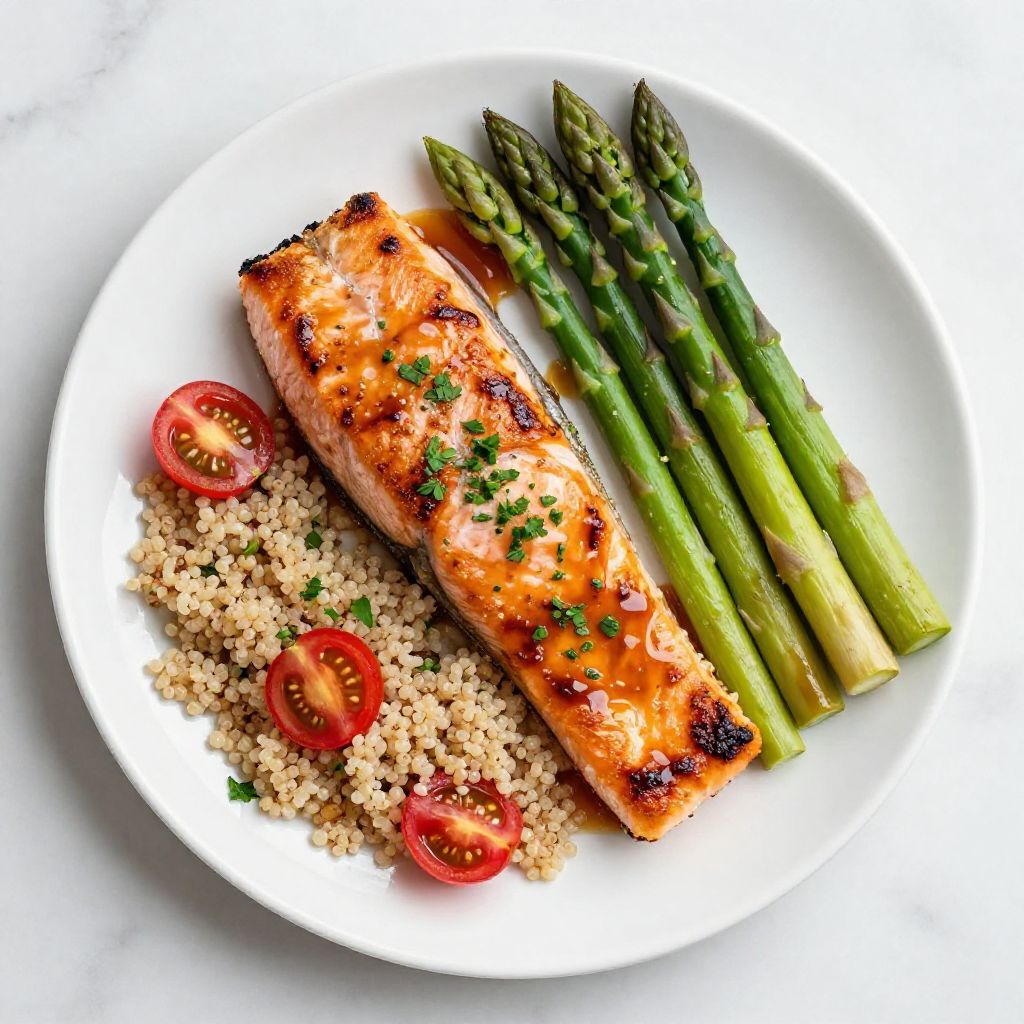
Baked Salmon Recipe Brown Sugar
Ingredients
Equipment
Method
- Preheat the oven to 375°F (190°C).
- Line a baking sheet with parchment paper or aluminum foil.
- In a bowl, combine the brown sugar, soy sauce, Dijon mustard, olive oil, garlic powder, salt, and pepper to make the glaze.
- Place the salmon fillets on the prepared baking sheet.
- Spoon the glaze evenly over each salmon fillet.
- Bake the salmon in the preheated oven for 15 minutes, or until it flakes easily and reaches an internal temperature of 145°F (63°C).
- For extra caramelization, switch the oven to broil and broil the salmon for an additional 1–2 minutes, watching closely to avoid burning.
- Remove the salmon from the oven and let it rest for 3–5 minutes before serving.