
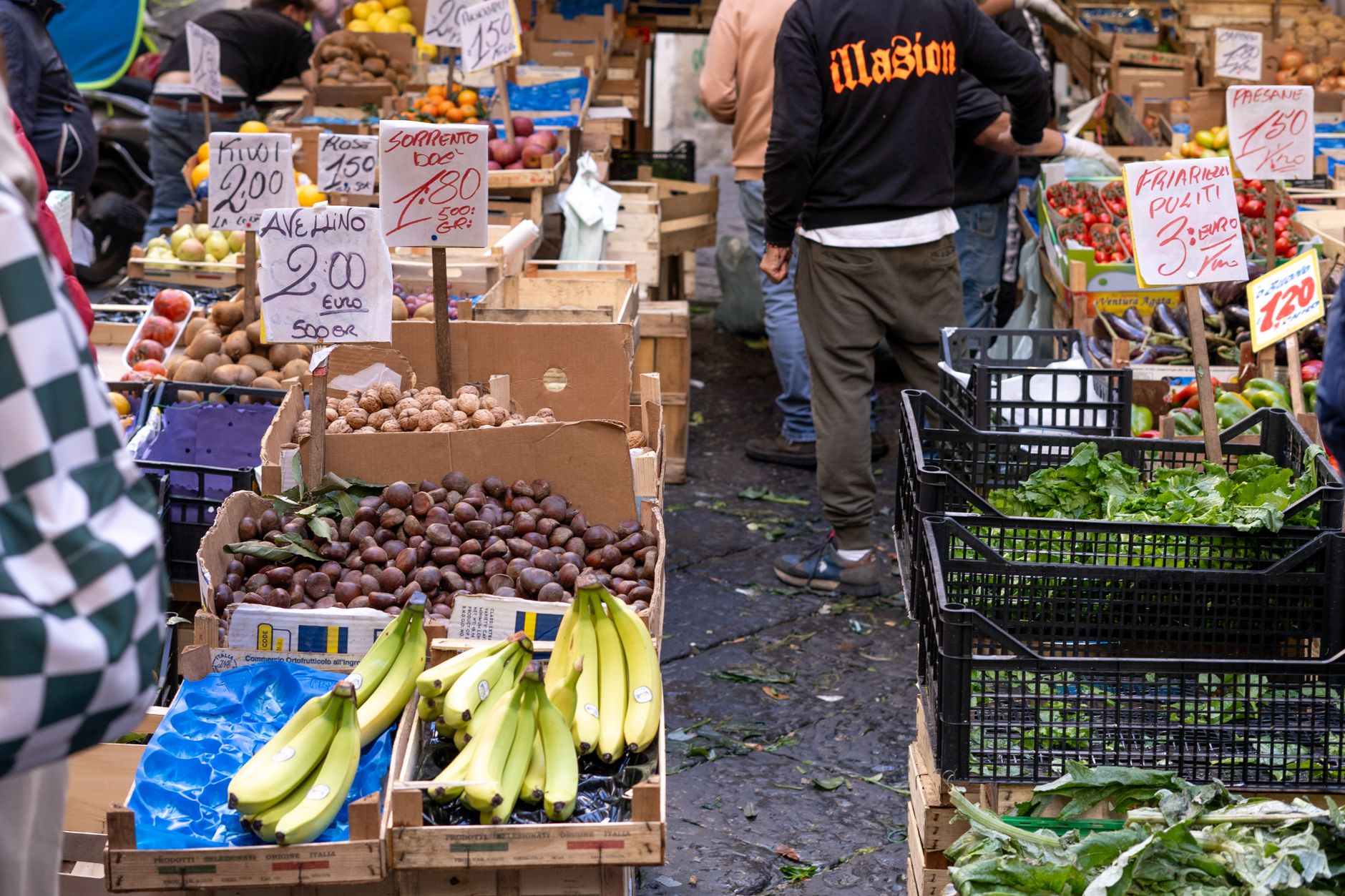
Water chestnuts, often mistaken for nuts, are actually aquatic tubers that add a crunchy texture to many dishes. If you’ve been trying to locate them in your grocery store, knowing where to find them can make your cooking experience smoother and more enjoyable. This article explores where to find water chestnuts, how to store them, and their culinary uses.
Whether fresh, canned, or frozen, water chestnuts are a versatile ingredient suitable for a range of recipes, from stir-fries to salads. Understanding their storage requirements and the best places to find them will enhance your meal preparation.
Where Are Water Chestnuts in the Grocery Store?
You can find water chestnuts in different sections depending on their form. Fresh water chestnuts are generally located in the produce section, while canned and frozen varieties are usually found in the international aisle or the freezer section. Knowing these locations can save you time and frustration.
Locating Fresh Water Chestnuts
Fresh water chestnuts are native to Southeast Asia and are crisp and juicy with a slightly sweet flavor. When looking for fresh water chestnuts, head to the produce section of your grocery store, specifically near tubers and root vegetables.
- Look for firm, brown-skinned tubers with a shiny outer layer.
- Avoid any that are soft, discolored, or shriveled, as these are signs of spoilage.
Fresh water chestnuts are often available at Asian grocery stores or farmers’ markets, where they might be sold more frequently than in traditional supermarkets.
Finding Canned Water Chestnuts
If fresh water chestnuts are difficult to find, canned versions are a great alternative. They are often available in most grocery stores. Check the international aisle, particularly in sections dedicated to Asian or Chinese cuisine.
- Canned water chestnuts are usually found alongside other canned vegetables.
- Look for brands that specify “whole” or “sliced,” depending on your intended use.
- Always check the expiration date to ensure freshness.
Frozen Water Chestnuts
Frozen water chestnuts are another option available in the freezer section of your grocery store. They retain most of their texture and flavor and can be used in a manner similar to fresh or canned varieties.
- Look for them near other frozen vegetables or Asian cuisine products.
- Check the packaging for added ingredients or preservatives, which you may want to avoid.
Storage of Water Chestnuts
Storing Fresh Water Chestnuts
Once you have fresh water chestnuts, it’s essential to store them properly to maintain their freshness. Here are a few tips for storing fresh water chestnuts:
- Keep them unpeeled in a cool, dry place, like a pantry or cellar, for up to a week.
- If you want to prolong their freshness, place them in a paper bag in the refrigerator, where they can last about two weeks.
- Do not wash them until ready to use, as moisture can promote spoilage.
Storing Canned Water Chestnuts
Canned water chestnuts have a long shelf life, making them convenient. Here’s how to store them:
- Store unopened cans in a cool, dry place, away from direct sunlight.
- Once opened, transfer any unused water chestnuts to an airtight container and refrigerate, using them within a week.
Storing Frozen Water Chestnuts
Frozen water chestnuts should be consumed within a few months for the best quality. Follow these storage tips:
- Keep them in their original packaging or transfer them to a resealable freezer bag to prevent freezer burn.
- Label the package with the date to remember when you froze them.
Culinary Uses of Water Chestnuts
Water chestnuts add a delightful crunch and mild sweetness to a variety of dishes. Below are some common culinary uses:
Stir-Fries
Water chestnuts are a popular addition to stir-fries due to their ability to maintain texture even after cooking. You can slice them or leave them whole, depending on your preference. They pair well with other vegetables like bell peppers, broccoli, and snap peas.
Salads
They are perfect for adding crunch to salads. Slice raw water chestnuts and toss them into salads for a refreshing contrast to softer ingredients such as lettuce and cucumbers.
Sushi and Spring Rolls
Water chestnuts can be used in sushi rolls or fresh spring rolls, providing a satisfying crunch. They can be sliced thinly and layered with vegetables and proteins.
Soups and Stews
Add water chestnuts to soups and stews for added texture. Whole canned or fresh water chestnuts can be included in recipes that require simmering, as they won’t lose their firmness.
Substitutions for Water Chestnuts
If you cannot find water chestnuts or have difficulty sourcing them, there are several suitable substitutes:
- Jicama: Offers a similar crunch and mild flavor.
- Carrots: Shredded or diced carrots can mimic the crunch, especially in salads.
- Celery: Adds a crunchy texture though with a distinct flavor.
- Kohlrabi: This vegetable mimics water chestnuts in both texture and taste.
When substituting, consider that different ingredients may alter the flavor profile of your dish, especially if you’re using a vegetable with a stronger taste than water chestnuts.
Tips for Cooking with Water Chestnuts
Here are some practical cooking tips to consider when using water chestnuts:
- If using fresh water chestnuts, peel them carefully using a vegetable peeler before cooking or adding them to your dish.
- For canned water chestnuts, rinse and drain them to remove excess sodium and fortify the overall flavor of your dish.
- In stir-fries, add water chestnuts towards the end of the cooking process to preserve their crunch.
Common Mistakes to Avoid
Here are a few common pitfalls to avoid when working with water chestnuts:
- Cooking them for too long can result in a mushy texture; they are best when they retain their crunch.
- Using spoiled water chestnuts will negatively impact the dish, so always check their freshness before cooking.
- Neglecting to drain canned water chestnuts can make your dish overly salty or watery.
Serving Suggestions
Water chestnuts can be served in various ways, depending on the dish you are preparing:
- In stir-fries, serve alongside proteins such as chicken, shrimp, or tofu with rice or noodles.
- Add sliced water chestnuts to a bed of mixed greens topped with a light vinaigrette for a refreshing salad.
- Include them in a platter of appetizers, such as spring rolls or a crudité spread.
Make-Ahead Guidance
If you plan to include water chestnuts in a dish for an event or meal prep, consider these strategies:
- Fresh water chestnuts can be prepped a day in advance. Simply peel and store in water in the refrigerator to prevent browning.
- Canned water chestnuts can be added straight to dishes without needing pre-preparation.
- Frozen water chestnuts can be cooked directly from frozen; the texture will remain intact as they heat up.
Summary
Now you know where to find water chestnuts in grocery stores—whether fresh, canned, or frozen—and how to store them properly. Understanding their culinary uses, potential substitutions, and cooking tips can help you elevate your meals. Don’t hesitate to experiment with this unique ingredient and incorporate it into your favorite recipes.
Explore more about cooking with different ingredients or learn new recipes by joining our food community. Dive into meal planning, perfect the art of cooking techniques, or discover new flavors!