
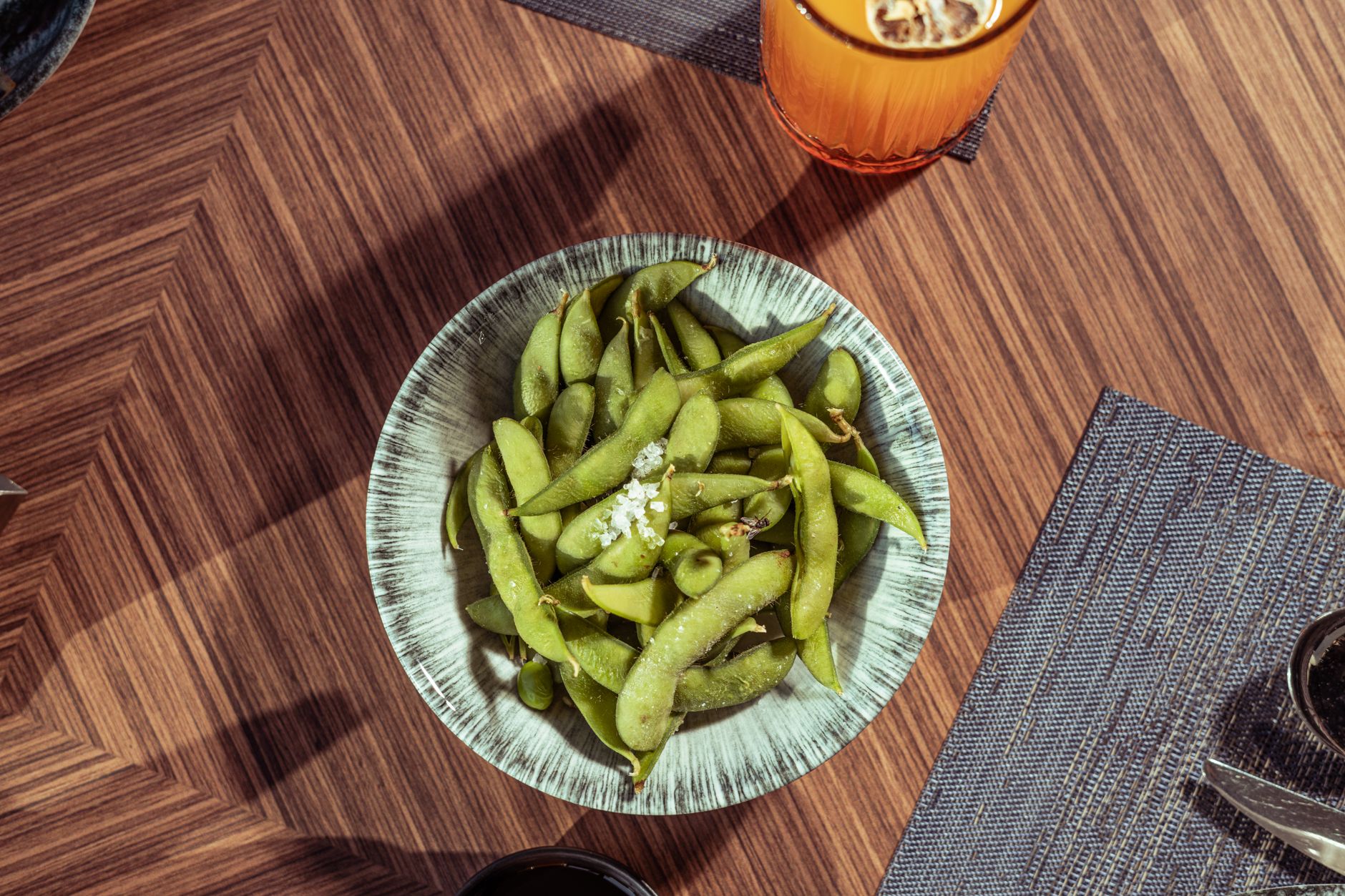
Edamame, the young green soybeans found in their pods, are popular for their delightful taste and nutritional benefits. Boiling edamame is one of the simplest cooking methods, allowing you to retain their vibrant color and nutrients. This article will guide you through the appropriate cooking times and how to check for doneness.
Whether you plan to serve them as a snack, an appetizer, or as a protein-packed addition to salads, knowing how long to boil edamame is key. We’ll cover everything from cooking techniques to flavor pairings, ensuring your edamame is perfectly cooked every time.
How Long to Boil Edamame?
The ideal boiling time for edamame is typically between 5 to 7 minutes. This time frame will produce tender beans while keeping their bright green color. To ensure that your edamame is done, you can check for doneness by tasting the beans to confirm they are tender yet firm.
What You Need to Boil Edamame
Before boiling edamame, have the following items ready:
- Fresh or frozen edamame in pods
- Water
- Salt (optional, for seasoning)
- Large pot
- Colander
Preparing Edamame for Boiling
Preparation is key for perfectly boiled edamame. If you’re using fresh edamame, rinse the pods under cold water to remove any dirt. For frozen edamame, you can boil them straight from frozen without thawing, which is convenient and saves time.
Step-by-Step Guide to Boiling Edamame
- Fill a large pot with water and add a generous pinch of salt. This enhances the flavor of the edamame.
- Bring the water to a rolling boil over high heat.
- Add the edamame pods to the boiling water. Make sure not to overcrowd the pot—if you have a lot, cook in batches.
- Allow the water to return to a boil. Once boiling again, set a timer.
- Boil the edamame for 5 to 7 minutes. Start checking for doneness at the 5-minute mark.
- Once cooked, drain the edamame in a colander and run under cold water for about 30 seconds to halt further cooking.
- Season with salt if desired, then serve warm or at room temperature.
Checking for Doneness
The best way to determine if your edamame is cooked to perfection is by tasting the beans. They should be tender yet firm, with a sweet and slightly nutty flavor. Overcooked edamame can become mushy and lose their pleasant texture, so checking early is advisable.
Serving Suggestions for Boiled Edamame
Boiled edamame can be enjoyed in a variety of ways:
- Eat them straight from the pod, topped with coarse sea salt.
- Serve with a dipping sauce, such as soy sauce or a spicy chili oil.
- Add them to salads for extra protein and texture.
- Incorporate them into stir-fries or grain bowls for a nutritious boost.
Common Mistakes When Boiling Edamame
A few common mistakes can affect the quality of your boiled edamame:
- Not salting the water: Skipping the salt can lead to bland beans. Salting the boiling water enhances flavor significantly.
- Overcooking: Edamame should be tender but not mushy. Keep a close eye on the time, and start tasting at the 5-minute mark.
- Using cold water: Always ensure the water is at a rolling boil before adding the edamame. This helps preserve texture and color.
How to Store Cooked Edamame
If you have leftovers after boiling edamame, store them properly to keep them fresh:
- Allow the edamame to cool completely before placing them in an airtight container.
- Refrigerate cooked edamame, where they can last for about 3 to 5 days.
- For longer storage, you can freeze cooked edamame, although the texture may change slightly upon reheating.
Reheating Cooked Edamame
There are several safe and effective ways to reheat boiled edamame:
- Microwave: Place edamame in a microwave-safe dish, and cover with a damp paper towel. Heat in 30-second intervals until warmed through.
- Boiling water: Briefly immerse the edamame pods in boiling water for about 1 minute, then drain.
Flavor Pairings with Edamame
Edamame has a mild flavor, making it an excellent canvas for various seasonings and flavors:
- Asian flavors: Try sesame oil, soy sauce, ginger, or garlic for a savory touch.
- Spicy options: Incorporate chili flakes, Sriracha, or wasabi for heat.
- Herbs: Fresh herbs like cilantro or green onions can add brightness.
- Citrus: A squeeze of lime or lemon juice before serving enhances the flavor.
Nutritional Value of Edamame
Edamame is not only delicious but also highly nutritious. While the exact nutritional content can vary, here’s a general overview:
- High in protein—ideal for vegetarians and vegans.
- Rich in fiber, which supports digestive health.
- Contains vitamins and minerals such as vitamin K, folate, and manganese.
- Low in calories, making it a healthy snack option.
The health benefits of edamame extend to its antioxidant properties and ability to support heart health.
Exploring Edamame Beyond the Boil
While boiling is a classic method, there are several alternative ways to prepare edamame, including:
- Steaming: Steaming edamame retains nutrients and enhances flavor without the need for boiling water.
- Roasting: Toss cooked and shelled edamame with olive oil and spices, then roast until slightly crispy.
- Adding to dishes: Use edamame as a component in soups, salads, or pizza toppings for added texture and nutrients.
Edamame Variations
While traditional edamame is often enjoyed plain or lightly salted, consider these variations for exciting twists:
- Garlic Edamame: Sauté garlic in olive oil before adding boiled edamame. Toss well to combine for a flavorful side dish.
- Spicy Edamame: Mix in chili oil or Sriracha for an extra kick and toss with sesame seeds.
- Caprese Style: Combine boiled edamame with cherry tomatoes, fresh mozzarella, and basil for a fresh summer salad.
Edamame in Cuisine
Edamame originates from East Asia, traditionally used in Japanese and Chinese cuisine. It has gained popularity worldwide, often served in restaurants or enjoyed as a snack. Its versatility allows it to fit seamlessly into various culinary traditions, from fusion dishes to contemporary plates.
Conclusion
Knowing how long to boil edamame can elevate your cooking skills and enhance your meals. Whether you’re enjoying them as a snack or incorporating them into your dishes, perfectly boiled edamame can add a delightful touch to any offering. For best results, remember to keep the boiling time between 5 to 7 minutes and check for that tender yet firm texture.
If you’re interested in expanding your culinary repertoire, explore our guides on cooking asparagus and the health benefits of edamame to further enhance your cooking adventure.