
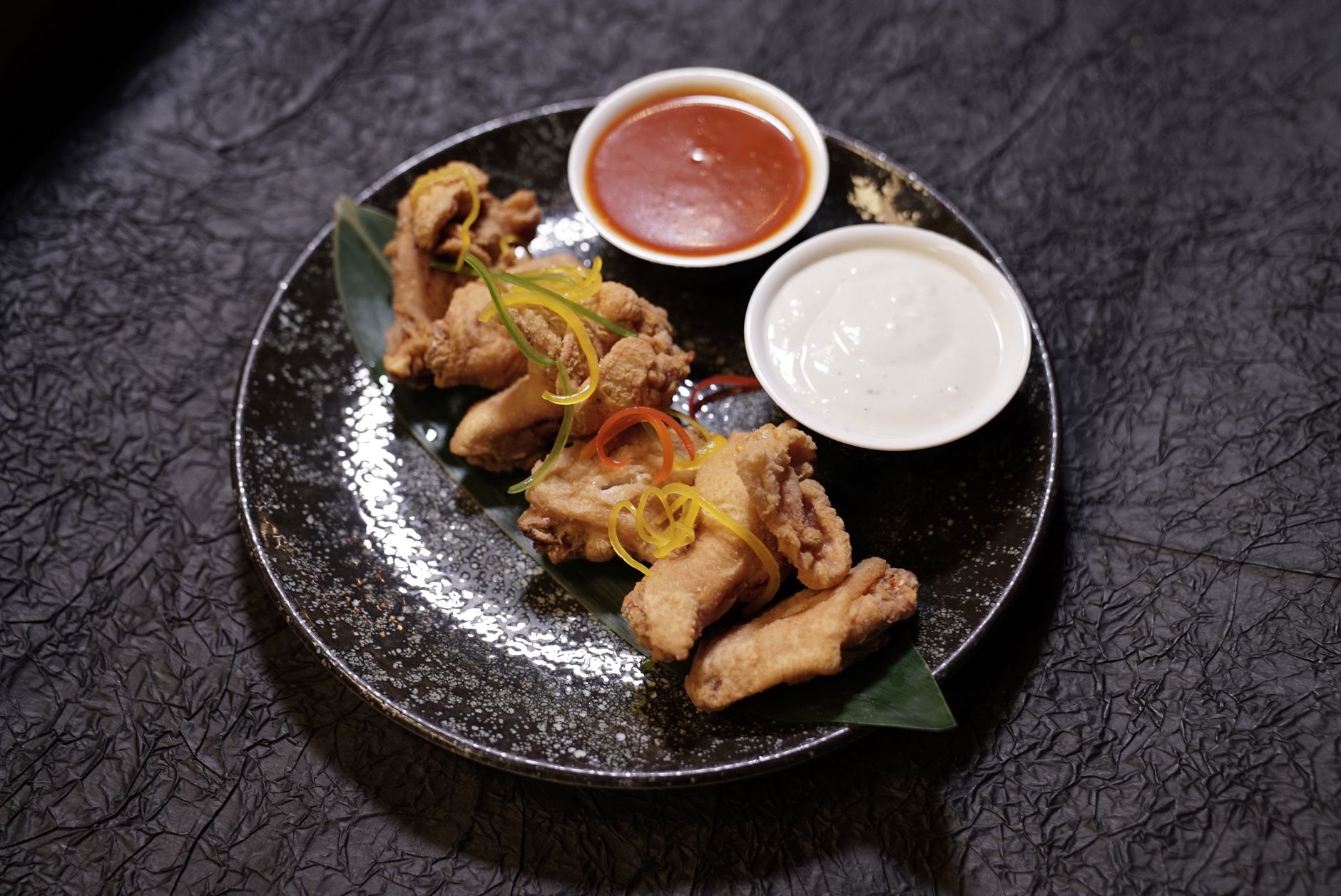
Buffalo Wild Wings is a popular destination for sports enthusiasts and food lovers alike, known for its extensive menu centered around chicken wings and various sauces. A common question that arises among patrons, especially those with allergies or dietary restrictions, is what type of oil the restaurant uses for frying their food. In this article, we will explore whether Buffalo Wild Wings uses peanut oil, what cooking oils they do use, and the implications for those with allergies.
An understanding of the cooking oils used in restaurants is particularly important for individuals who must avoid certain ingredients due to health or dietary reasons. Whether you’re preparing to enjoy a meal at Buffalo Wild Wings or considering replicating their famous dishes at home, having clarity about the oil used can help make informed choices.
Does Buffalo Wild Wings Use Peanut Oil?
No, Buffalo Wild Wings does not use peanut oil for frying their food items. Instead, they primarily use canola oil. This choice makes their menu more accessible for people with nut allergies, reducing the risk of adverse reactions associated with peanut oil.
Understanding Cooking Oils: Why It Matters
Cooking oils play a crucial role in flavor, texture, and health in the food we consume. When dining out, it’s important to be aware of the type of oil used, as it can impact food safety and allergen concerns. Here, we will delve into different types of oils, their properties, and why they are selected in dining establishments.
Types of Cooking Oils
- Canola Oil: A neutral-flavored oil high in omega-3 fatty acids and low in saturated fats. Often used in frying due to its high smoke point.
- Peanut Oil: Has a distinct flavor and high smoke point, making it ideal for frying, especially in Asian cuisines. However, it poses allergy risks for many.
- Vegetable Oil: Typically a blend of oils (often soybean, corn, or sunflower) and is also neutral in flavor. Common in fast-food frying.
- Olive Oil: Known for its health benefits, it has a lower smoke point and is more suitable for sautéing and dressings.
Why Buffalo Wild Wings Chooses Canola Oil
The decision to use canola oil aligns with several operational considerations, such as cost-effectiveness, taste neutrality, and dietary inclusivity. Canola oil is not only economical but also versatile, making it suitable for high-temperature frying while imparting little taste to the fried products.
Benefits of Using Canola Oil
- High Smoke Point: Canola oil has a smoke point of around 400°F (204°C), which effectively supports frying without breaking down or altering flavors.
- Health Benefits: Low in saturated fat and rich in omega-3 fatty acids, canola oil provides a healthier option associated with heart health.
- Neutral Flavor: Its light flavor allows the natural tastes of the food to shine, especially for dishes like buffalo wings, which are often paired with bold sauces.
Are There Any Allergens to Be Aware Of?
While Buffalo Wild Wings uses canola oil, it is essential to note potential allergens that may still exist in their offerings. Cross-contamination is a risk in many restaurants, and patrons with severe allergies should exercise caution. Here are some common allergens you may encounter:
Common Allergens at Buffalo Wild Wings
- Wheat: Found in many breading and sauces.
- Dairy: Present in blue cheeses, dressings, and some sauces.
- Fish: Certain sauces or seasonings may contain fish derivatives.
- Soy: Commonly used in sauces and marinades.
How to Enjoy Buffalo Wild Wings Safely
If you have allergies, you can still enjoy Buffalo Wild Wings by following some simple guidelines. Here are actionable steps to ensure a safe dining experience:
Tips for Safe Dining
- Communicate: Clearly inform your server of any allergies when placing your order. This will help them take extra precautions.
- Review Menu Options: Buffalo Wild Wings provides nutritional and allergen information on their website and in-stores, making it easier to select safe dishes.
- Avoid Cross-Contamination: If you are particularly sensitive to allergens, consider ordering items cooked separately or without possible cross-contact.
Cooking Wings at Home: Alternatives to Peanut Oil
If you’re inspired by Buffalo Wild Wings and want to create your wing night at home, understanding oil alternatives is essential. While you might consider using peanut oil for its flavor when frying, there are many other options available that cater to diverse dietary needs.
Best Oils for Frying Chicken Wings
- Canola Oil: As mentioned, it’s the top choice, providing the balance of flavor and health.
- Vegetable Oil: Affordable and versatile, it works well for frying without significant flavor influence.
- Sunflower Oil: Similar to canola, this oil has a high smoke point and subtle flavor.
- Coconut Oil: Offers a distinct flavor and health benefits, but has a lower smoke point than canola.
How to Fry Chicken Wings at Home
Frying chicken wings at home can be an enjoyable experience. Below is a step-by-step guide to ensure your wings come out perfectly crispy and delicious.
Ingredients
- 2 pounds of chicken wings
- 2 cups of canola oil (or your preferred frying oil)
- Salt and pepper to taste
- Your choice of sauce (buffalo sauce, BBQ, etc.)
Essential Equipment
- Deep fryer or large heavy-bottomed pot
- Tongs or a slotted spoon
- Thermometer (for checking oil temperature)
- Cooling rack
- Paper towels (for draining)
Method
- Prepare the Wings: Pat the chicken wings dry with paper towels. This helps them to crisp up better during frying.
- Heat the Oil: Pour the oil into your deep fryer or pot and heat it to 375°F (190°C). Use a thermometer to ensure accuracy.
- Fry in Batches: Carefully add the chicken wings to the hot oil, being cautious to avoid splatter. Fry in batches to prevent overcrowding, which can lower the oil temperature.
- Cook Until Crispy: Fry the wings for about 10-12 minutes or until they are golden brown and crispy. Use the thermometer to confirm they reach an internal temperature of 165°F (74°C).
- Drain and Sauce: Remove the wings with tongs and place them on a cooling rack or paper towels to drain excess oil. Toss the wings in your desired sauce while hot.
Common Mistakes When Frying Chicken
Even with the right ingredients and equipment, mistakes can happen. Here are common pitfalls to avoid to ensure perfectly fried chicken wings every time:
- Not Using a Thermometer: Always ensure the oil is at the right temperature before frying. Too low, and the wings will absorb oil; too high, and they may burn outside while remaining undercooked inside.
- Overcrowding the Fryer: This can drastically lower oil temperature, leading to soggy wings instead of crispy ones.
- Skipping Oil Drainage: Allow the wings to rest after frying to prevent them from becoming soggy.
Buffalo Wild Wings Sauces: A Flavor Exploration
Buffalo Wild Wings is renowned not only for its wings but also for the wide variety of sauces available. Here’s a brief overview of some popular options:
- Buffalo Sauce: The classic choice, known for its spicy kick made from hot sauce and butter.
- Barbecue Sauce: A sweet and tangy option for those who prefer a milder flavor.
- Garlic Parmesan: Offers a rich, creamy flavor with a hint of garlic, excellently paired with crispy wings.
- Mango Habanero: Combines sweet and spicy for those seeking a unique flavor experience.
Conclusion: Dining with Confidence
Buffalo Wild Wings notably uses canola oil, providing a safe dining experience for those with peanut allergies. Understanding the types of oils used in food preparation not only informs diners but also empowers them when making choices—for dining out or creating their wings at home. Ensure to communicate any dietary needs while enjoying your favorite wing dishes, and consider replicating the experience in your kitchen with appropriate modifications. Enjoy your cooking adventure!
If you’re interested in learning more about various cooking oils or exploring different recipes, check out this comprehensive guide on what oil does Chick-fil-A use or understand the importance of refrigerating your favorite hot sauces. Happy cooking!