
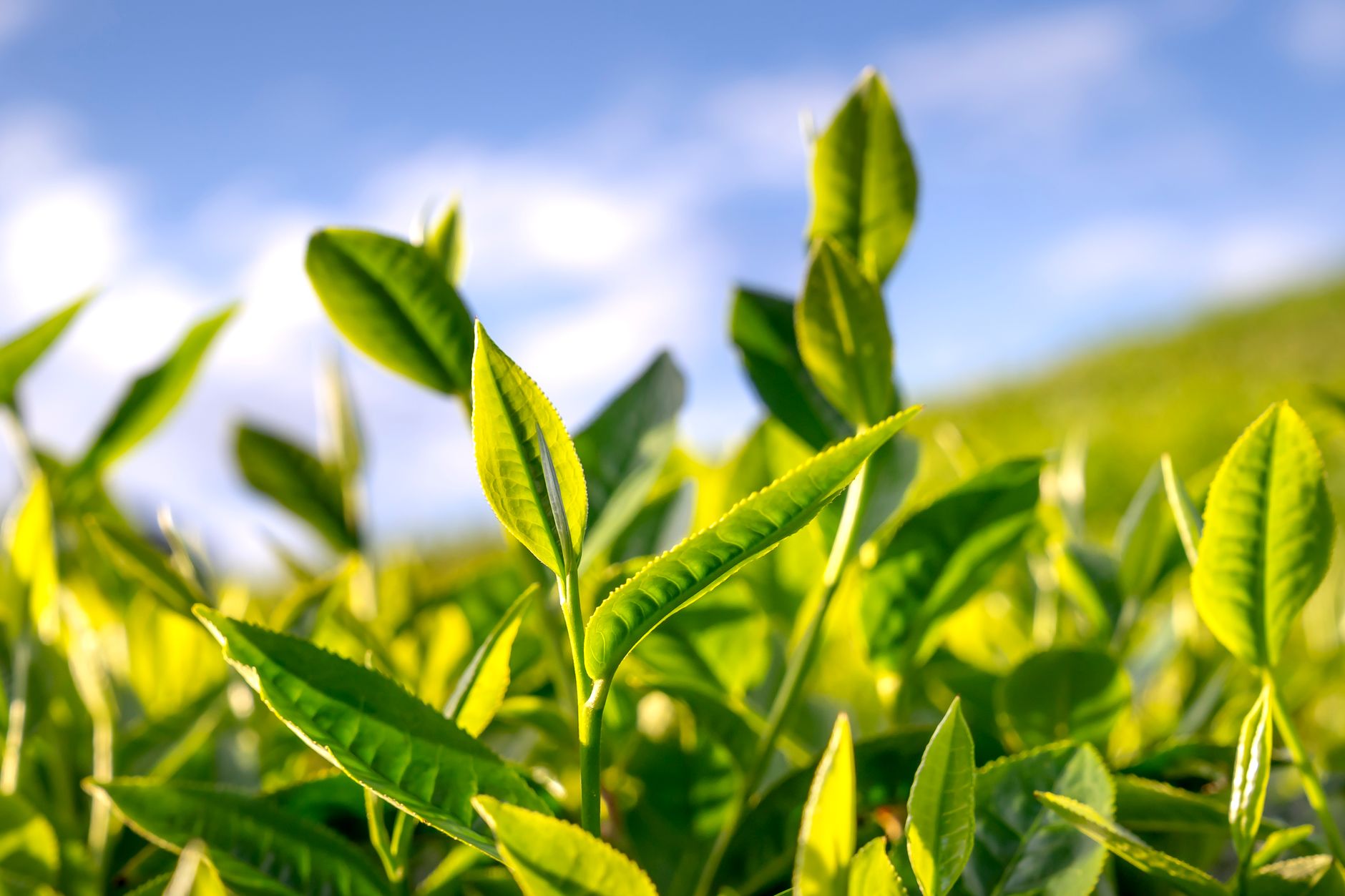
Green tea is a popular beverage known for its numerous health benefits and distinctive flavor. However, many people wonder about its oxalate content, especially those who need to monitor their oxalate intake due to health concerns like kidney stones. Understanding whether green tea is high in oxalates can help you make informed dietary choices.
This article delves into the oxalate content of green tea, what oxalates are, their health impacts, and how you can incorporate green tea into your diet prudently.
Is Green Tea High in Oxalates?
Green tea does contain oxalates, but it is generally considered to be low in oxalate content compared to other foods. Specifically, the oxalate levels in green tea can vary based on factors like the tea variety and preparation method. However, for those who are not particularly sensitive to oxalates, moderate consumption of green tea is considered safe.
What Are Oxalates?
Oxalates are naturally occurring compounds found in many plants, including fruits, vegetables, nuts, and grains. They can bind with calcium in the body, forming insoluble calcium oxalate, which is one of the most common types of kidney stones. While oxalates are not inherently bad, some individuals, particularly those prone to kidney stones, should moderate their intake.
Sources of Oxalates
Foods high in oxalates include:
- Spinach
- Rhubarb
- Beets
- Nuts (especially almonds and cashews)
- Dark chocolate
- Sweet potatoes
Green tea is not among the highest oxalate foods, making it a friendlier option for those watching their intake.
Oxalate Content in Green Tea
The oxalate content in green tea typically ranges between 5-15 mg per cup, depending on the type and brewing method. This is considerably lower than other beverages such as black tea, which can average between 30-50 mg of oxalates per cup.
Factors Affecting Oxalate Levels
Several factors play a role in determining the oxalate levels in green tea:
- Tea Variety: Different varieties of green tea, such as sencha, matcha, and gyokuro, may contain varying levels of oxalates.
- Harvesting Time: Young tea leaves generally contain fewer oxalates compared to older leaves.
- Brewing Time: The longer the brewing time, the higher the potential extraction of oxalates.
- Water Temperature: Hotter water may extract more oxalates during brewing.
While these factors contribute to the oxalate levels, most people can consume green tea without concern.
Health Considerations for Oxalates
For the majority of people, oxalates are harmless. However, understanding the potential health factors is essential:
Kidney Stones
Individuals prone to calcium oxalate kidney stones should maintain a low-oxalate diet. While moderate intake of green tea is generally acceptable, it’s wise to combine it with a well-hydrated lifestyle to dilute oxalates effectively. Drinking adequate water helps the kidneys flush out oxalates and decreases the risk of stone formation.
Calcium Absorption
For those with oxalate sensitivity, consuming foods high in calcium alongside oxalate-rich foods can help. Calcium binds to oxalates in the digestive tract and reduces their absorption, which can mitigate some risks associated with oxalate consumption.
Incorporating Green Tea into Your Diet
Green tea can be a delightful addition to your daily routine, offering both flavor and potential health benefits. Here are several practical ways to incorporate green tea:
Brewing the Perfect Cup
To maximize the flavor and minimize oxalate extraction, follow these brewing tips:
- Use High-Quality Leaves: Opt for high-quality, loose-leaf green tea for a better flavor and lower oxalate content.
- Water Temperature: Brew green tea with water heated to 160-180°F (71-82°C) to avoid over-extraction.
- Short Brewing Time: Steep for about 1-3 minutes; longer steeping times can increase oxalate levels.
Matcha: The Exception
Matcha is a powdered form of green tea prepared from entire tea leaves, which means you consume more nutrients, including oxalates. While it’s still considered low in oxalates, those sensitive to oxalate intake should monitor their matcha consumption.
Combining with Other Ingredients
Consider blending green tea with various flavors:
- With Citrus: Add lemon or orange juice to enhance flavor and increase Vitamin C content, helping calcium absorption.
- With Spices: Try adding ginger or cinnamon for added health benefits.
- In Smoothies: Use cooled green tea as a base for smoothies, blending with fruits and yogurt.
Practical Tips for Reducing Oxalate Intake
If you are particularly concerned about oxalate consumption, use the following tips to manage your intake:
- Avoid combining multiple high-oxalate foods in the same meal.
- Balance meals with calcium-rich foods to bind oxalates.
- Stay well-hydrated throughout the day, which helps your body process oxalates more efficiently.
- Consider rotating beverages; alternate green tea with herbal teas, which may have lower oxalate contents.
Common Myths and Misconceptions
Understanding the truth about green tea and oxalates can help dispel confusion:
Myth 1: All Teas Are High in Oxalates
Not all teas contain high levels of oxalates. As previously mentioned, green tea is generally lower in oxalates than black tea.
Myth 2: You Must Avoid Green Tea Entirely
For most people, moderate consumption of green tea poses minimal risk. Those with kidney issues should consult healthcare providers but do not necessarily need to eliminate green tea.
Myth 3: All Green Teas Are the Same
Different varieties of green tea vary in their oxalate contents. It’s essential to choose high-quality options and consider brewing methods.
Conclusion
Green tea is a flavorful and beneficial addition to most diets, even for those concerned about oxalate intake. Understanding its oxalate levels and making informed choices regarding brewing and consumption can help you enjoy green tea while managing your health effectively.
As you integrate green tea into your lifestyle, consider experimenting with different types and methods to find what suits your palate and health needs best. Explore further with our guides on chia pudding or learn about green tea’s flavor profile for more culinary inspiration.