
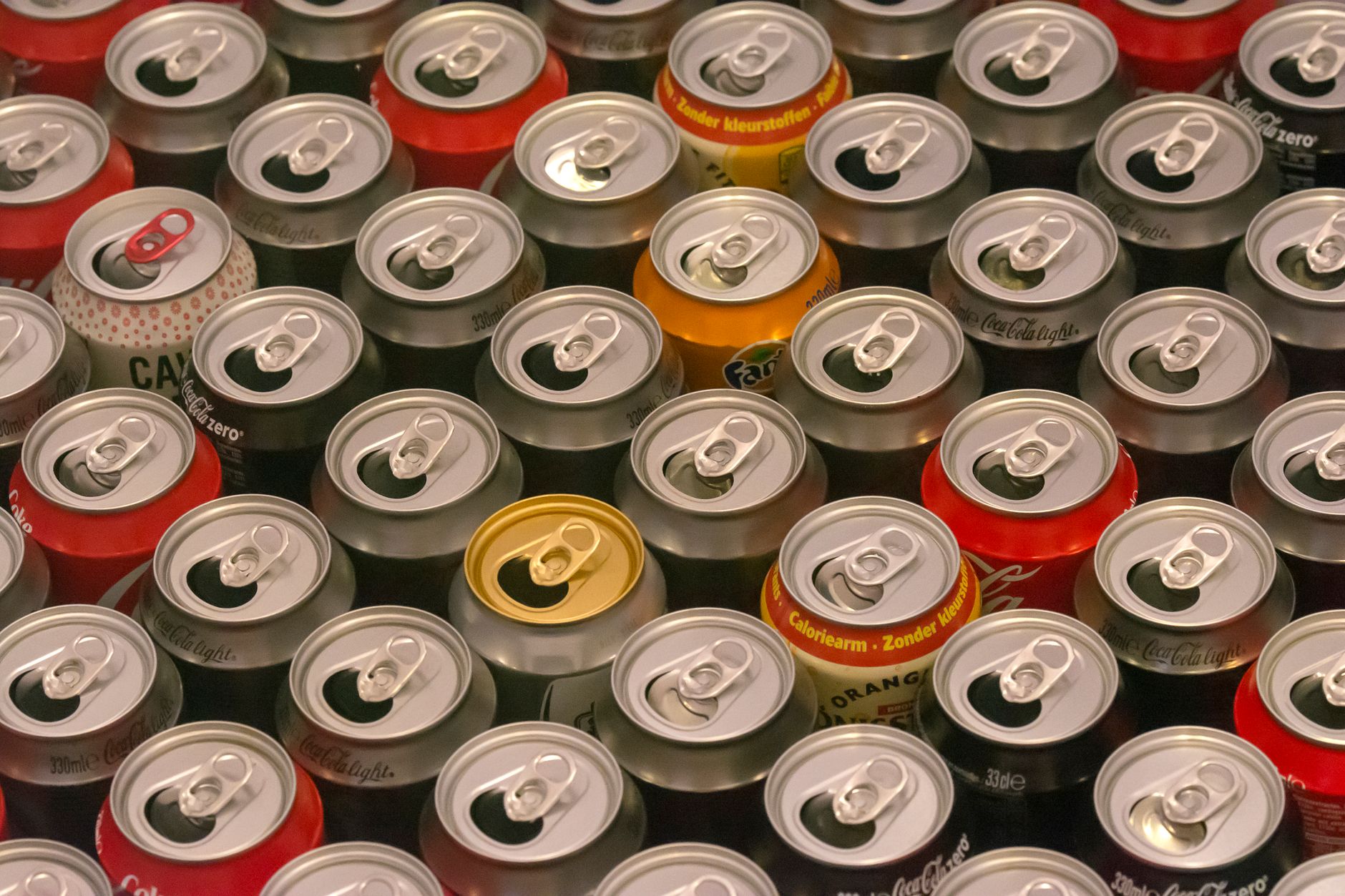
Diet Coke is a popular beverage choice for those looking to enjoy a fizzy drink without the added sugar found in regular sodas. Many consumers are curious about its nutritional composition and whether it fits into their dietary preferences. This article explores the key details about Diet Coke, its sugar content, and how it can be integrated into a balanced lifestyle.
There’s a common misconception regarding diet sodas and their health implications. This guide will clarify whether Diet Coke is sugar-free and provide insights into its nutritional profile, portion sizes, and meal ideas to complement your beverage choice.
Is Diet Coke Sugar Free?
Yes, Diet Coke is sugar-free. Instead of sugar, it uses artificial sweeteners to achieve its sweet flavor. This makes it a popular choice for those seeking to reduce their sugar intake, especially in comparison to regular Coke, which contains a significant amount of sugar.
Nutritional Profile of Diet Coke
Understanding the nutritional profile of Diet Coke is essential for consumers who are mindful of their sugar intake and overall health. Here’s a breakdown of the nutritional information for a standard 12-ounce (355 ml) can of Diet Coke:
- Calories: 0
- Total Fat: 0g
- Sodium: 40mg
- Total Carbohydrates: 0g
- Sugars: 0g
- Protein: 0g
Diet Coke contains no calories or sugar, making it an appealing choice for individuals managing their weight or watching their sugar intake. The absence of sugar also prevents the spikes in blood sugar levels typically associated with sugary beverages.
Ingredients in Diet Coke
The main ingredients in Diet Coke include:
- Carbonated Water
- Caramel Color
- Phosphoric Acid
- Citric Acid
- Artificial Sweeteners (such as Aspartame or Acesulfame Potassium)
- Caffeine
These ingredients work together to provide the distinctive flavor and fizziness that Diet Coke is known for. The use of artificial sweeteners enables the beverage to maintain a sweet taste without the calories associated with sugar.
Portion Sizes and Consumption
When considering how Diet Coke fits into your diet, portion sizes are crucial. A standard serving size of Diet Coke is 12 ounces, which is common for cans sold in stores. However, many fast-food establishments and restaurants serve larger sizes, often up to 20 ounces or more.
Moderation is key when consuming Diet Coke or any diet soda. While it is sugar-free, consuming excessive amounts of artificially sweetened beverages may lead to other health concerns. Aim for a balanced approach, incorporating beverages like water, herbal teas, and natural juices into your diet alongside Diet Coke.
Meal Ideas to Pair with Diet Coke
Diet Coke can complement a variety of meals and snacks, enhancing the dining experience with its refreshing carbonation and taste. Here are some meal ideas where Diet Coke might be a fitting choice:
1. Grilled Chicken Salad
A zesty grilled chicken salad topped with fresh greens, assorted vegetables, and a light vinaigrette makes a delightful meal. The crispness of the salad pairs nicely with the effervescence of Diet Coke, making for a satisfying lunch or dinner.
2. Spaghetti with Marinara Sauce
Enjoy a classic spaghetti dish made with a homemade marinara sauce. The acidity of the tomatoes complements the sweetness of Diet Coke, making it a friendly pairing for this Italian favorite.
3. Tacos or Burritos
Whether filled with lean proteins, beans, or grilled vegetables, tacos and burritos provide a burst of flavor that goes well with Diet Coke. The fizzy drink can help cleanse the palate between bites of these rich and savory dishes.
4. BBQ Ribs
For meat lovers, BBQ ribs have a hearty flavor that matches the sweetness of Diet Coke. The carbonation in the soda can also help cut through the richness of the sauce.
5. Pizza Night
Pizza is an iconic comfort food that pairs well with Diet Coke. The sweetness of the soda enhances the flavors of various toppings, and its fizz is incredibly refreshing.
6. Asian Cuisine
Dishes such as stir-fried noodles or sweet and sour chicken can also be complemented with Diet Coke. The contrast of flavors and the drink’s fizz can balance the dish’s richness.
Possible Health Considerations
While Diet Coke is sugar-free, several health considerations may arise from its consumption:
1. Artificial Sweeteners
Diet Coke uses artificial sweeteners, such as aspartame, which some studies suggest could have health concerns. Though considered safe by many health organizations, ongoing research is essential for understanding long-term effects on health.
2. Caffeine Content
A single can of Diet Coke contains about 46 mg of caffeine. If you are sensitive to caffeine or have been advised to limit your intake, be mindful of how many cans of Diet Coke you consume.
3. Soft Drink Addiction
Some individuals may develop a dependence on carbonated beverages. Moderation is crucial, as excessive consumption of any soft drink, even sugar-free varieties, can lead to decreased water intake and other negative health impacts.
Storing Diet Coke
Diet Coke, like other canned beverages, should be stored in a cool, dry place away from direct sunlight to preserve its flavor and carbonation. If you buy in bulk, ensure that the cans are not exposed to extreme temperatures or prolonged exposure to heat sources.
Popular FAQs About Diet Coke
Is Diet Coke gluten-free?
Yes, Diet Coke is gluten-free, as its ingredients do not contain any gluten or gluten-derived substances. It is suitable for those following a gluten-free diet.
Does Diet Coke have any nutritional benefits?
While Diet Coke is low in calories and sugar, it does not provide significant nutritional benefits like vitamins or minerals. It’s best used as an occasional beverage rather than a regular source of hydration.
Can Diet Coke cause weight gain?
Some studies suggest that artificially sweetened beverages may not aid in weight loss and could potentially contribute to weight gain. However, the consensus is that these drinks contain zero calories and should not directly lead to weight gain if consumed in moderation.
Is it safe to drink Diet Coke every day?
For many individuals, drinking Diet Coke daily may be acceptable in moderation. However, it’s important to balance it with adequate water intake and maintain a diet rich in whole foods.
Conclusion
Diet Coke is indeed sugar-free, making it a tempting option for those looking to reduce sugar in their diet. It can be enjoyed alongside numerous meal options, and while it has its downsides, moderation is a vital consideration for lifelong hydration choices. Pair it wisely with your meals, keep an eye on portion sizes, and enjoy it as part of a balanced lifestyle.
Explore related recipes and meal ideas to complement your food choices and drink options. Learn more about caffeine content in beverages like Diet Dr. Pepper or refresh yourself with a Chia Pudding Recipe as a nutritious snack.