
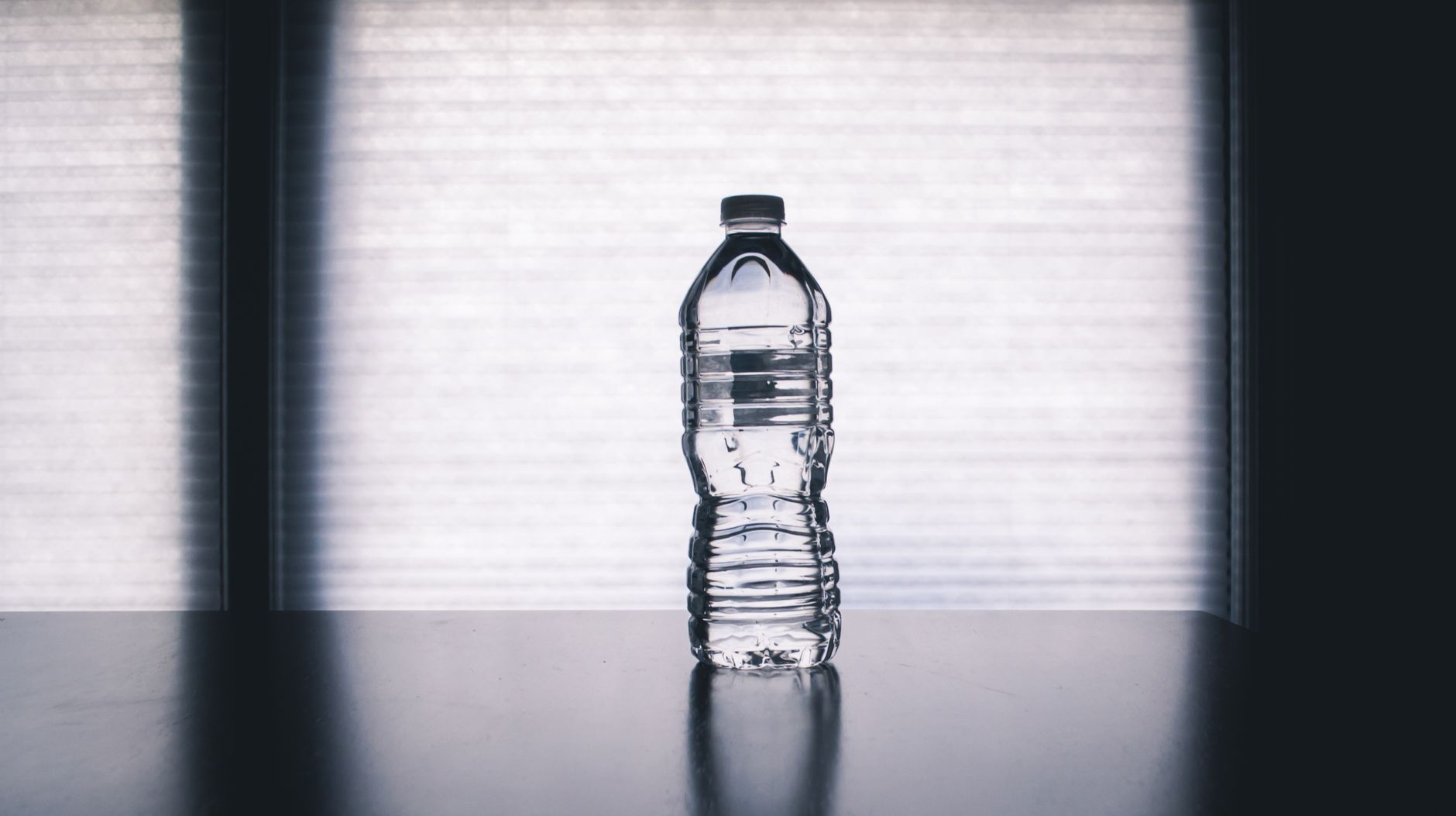
When considering the best hydration options for your daily routine, bottled water often comes into play. Among various brands, Pure Life Water has gained popularity for its promise of purity and refreshing taste. This article will delve into the qualities of Pure Life Water, discuss its pros and cons, and explore practical uses and serving ideas as part of a balanced lifestyle.
Understanding the nuances of bottled water, specifically Pure Life, can aid in making informed choices regarding your hydration. We’ll cover its source, purification methods, and the nutritional aspects to help you decide if Pure Life Water aligns with your preferences.
Is Pure Life Water Good?
Pure Life Water is generally considered a good option for hydration due to its natural spring water origins and rigorous purification process. While it lacks added minerals, it remains a refreshing choice for everyday consumption. The evaluation of whether it is suitable for you depends on personal taste, health considerations, and environmental factors.
What is Pure Life Water?
Pure Life Water is a bottled water brand that is sourced from natural springs, primarily in the United States and Canada. The brand is marketed by Nestlé Waters North America and emphasizes its commitment to providing clean and high-quality drinking water. It undergoes a multi-step purification process to ensure it is free from contaminants, making it an appealing choice for many consumers.
Source and Purification Process
The water used in Pure Life bottles is collected from natural sources and subjected to a purification process that includes filtration, ozonation, and ultraviolet light treatment. This thorough method ensures that any impurities are removed, resulting in water that is safe for consumption.
Nutritional Facts
Pure Life Water does not contain any calories, sugars, or additional nutrients often found in flavored or mineral waters. This makes it a pure hydration option for those who prefer unadulterated water. However, some consumers may miss the taste of naturally occurring minerals found in spring or mineral water.
Pros and Cons of Pure Life Water
Like any product, Pure Life Water comes with its advantages and disadvantages. Understanding these can help consumers make informed choices.
Pros
- Purity: The rigorous purification process means that the water is free from contaminants.
- Convenience: Available in various bottle sizes, Pure Life Water is easy to carry and consume on the go.
- Taste: Many users appreciate the clean, crisp taste of Pure Life Water.
- Brand Trust: Nestlé is a well-known brand that many consumers trust for quality.
Cons
- Lack of Minerals: Some consumers prefer water with natural minerals, which Pure Life lacks.
- Environmental Impact: The production and disposal of plastic bottles can pose environmental concerns.
- Cost: Bottled water can be significantly more expensive compared to tap water.
Where to Use Pure Life Water
Pure Life Water can be incorporated into your daily routine in various ways. Its versatile nature allows it to complement meals, workouts, and snacks, contributing to overall hydration.
Meal Pairing Suggestions
- Breakfast: Enjoy a chilled bottle of Pure Life Water alongside oatmeal or pancakes to kick-start your day.
- Lunch: Pair it with salads or sandwiches to refresh your palate.
- Dinner: Serve it with grilled chicken or fish for a clean, hydrating option.
Snacking and Hydration
Staying hydrated while snacking is essential. Use Pure Life Water to accompany healthy snacks like fruits, nuts, or veggie sticks. The neutral taste helps cleanse the palate, making each bite more enjoyable.
During Workouts
For fitness enthusiasts, Pure Life Water is an ideal choice for staying hydrated during workouts. Its portability makes it easy to carry to the gym or during outdoor activities. Proper hydration can enhance performance and recovery, so keep a bottle handy.
Creative Serving Ideas for Pure Life Water
While Pure Life Water is a great standalone beverage, consider enhancing it with additional flavors for a refreshing twist. Here are some ideas:
Fruit-Infused Water
Add slices of your favorite fruits to a pitcher of Pure Life Water for a refreshing infusion. Popular choices include:
- Lemon: For a zesty kick.
- Cucumber: For a light, crisp flavor.
- Berries: For added sweetness and antioxidants.
Herbal Infusions
Herbs like mint, basil, or rosemary can also add unique flavors to your water. Steep fresh herbs in warm water for a few minutes before chilling for a fragrant and flavorful drink.
Serving Temperature
Pure Life Water can be enjoyed at various temperatures depending on personal preference. Serve it ice-cold for a refreshing drink or at room temperature for a more neutral experience.
Environmental Considerations
While the convenience of bottled water is undeniable, it’s essential to consider the environmental impact. Pure Life Water, like other bottled water brands, contributes to plastic waste if bottles are not recycled properly. Here are some tips to mitigate this impact:
- Recycle: Always recycle your water bottles after use.
- Refill: Use reusable containers to fill up with Pure Life Water instead of buying single-use bottles.
- Sourcing: Consider local alternatives such as filtered tap water to reduce carbon footprint.
Common Questions About Pure Life Water
Is Pure Life Water Safe to Drink?
Yes, Pure Life Water is considered safe for consumption. Its purification processes effectively remove contaminants, making it a reliable choice for hydration. However, individuals should always check for any specific advisories based on local water quality reports.
How Does Pure Life Water Compare to Other Bottled Waters?
Compared to other bottled waters, Pure Life Water is primarily focused on being pure and clean without added flavors or minerals. Brands like Fiji Water or Evian offer unique mineral contents and distinctive flavors, so the choice often boils down to personal preference.
What’s the Shelf Life of Pure Life Water?
While bottled water doesn’t expire, manufacturers recommend consuming it within two years of purchase for optimal freshness. Always store water in a cool, dark place away from chemicals or heat sources to preserve its quality.
Making the Most of Your Hydration Strategy
Integrating Pure Life Water into your daily hydration habits can enhance your overall health and well-being. Keep these tips in mind:
- Set Reminders: Use your phone or a water tracking app to remind you to stay hydrated throughout the day.
- Hydration Goals: Aim for 8-10 cups of water daily depending on your activity level.
- Combine with a Healthy Diet: Use water to complement a nutrient-rich diet that includes fruits, vegetables, and whole grains.
Final Thoughts
Pure Life Water can be a quality choice for hydration, offering clean and refreshing water that supports a healthy lifestyle. By understanding its benefits, drawbacks, and integration into your daily routine, you can maximize your hydration strategy effectively.
Explore how Pure Life Water can fit into your life and consider alternatives to bottled water based on your preferences and environmental impact. For more on bottled water options, check out our guide on the best bottled waters. If you’re interested in food storage tips, read how long cottage cheese lasts after opening.