
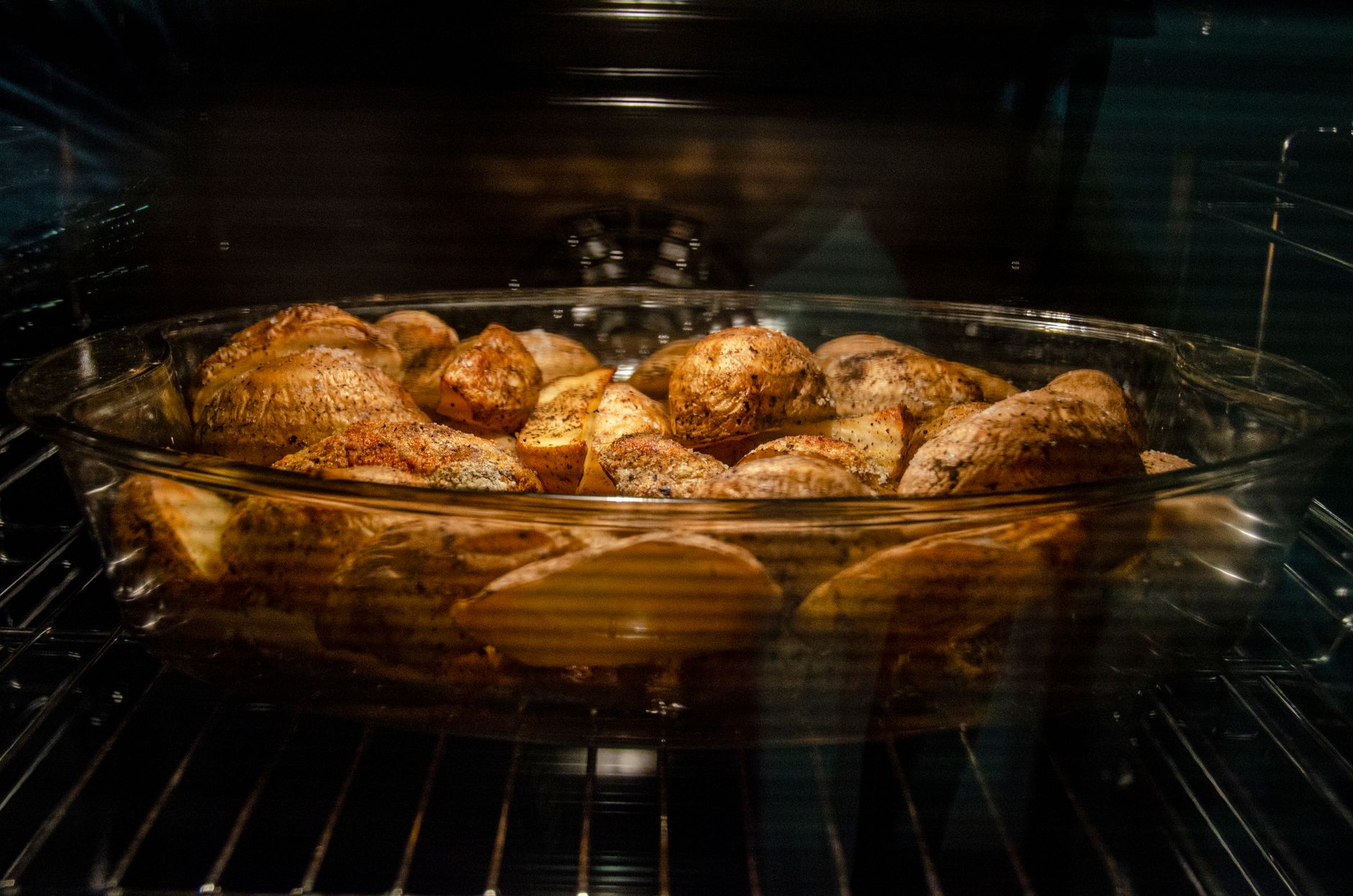
Understanding how to keep food warm in the oven is vital for culinary tasks that require timing and coordination, such as hosting dinner parties or preparing a multi-course meal. The right temperature not only preserves the dish’s texture and flavor but also ensures food safety. This article explores the optimal oven temperatures for keeping a variety of foods warm, as well as tips for different types of dishes.
Specifically, we will examine suitable temperatures for various foods, discuss when to use these settings, delve into doneness tips, and provide practical advice for achieving perfect results every time. Whether you’re looking to keep roasted vegetables warm or a casserole bubbling before serving, this guide will help you manage your meals effectively.
What Temp To Keep Food Warm In Oven?
To keep food warm in the oven, the ideal temperature range is typically between 140°F to 200°F. At 140°F, the food will stay above the danger zone for bacterial growth, while 200°F is suitable for foods that can withstand higher heat without drying out.
Understanding Food Safety with Temperature
Maintaining food at the right temperature is crucial for food safety. The United States Department of Agriculture (USDA) recommends keeping hot food at temperatures above 140°F to prevent harmful bacteria from multiplying. Food that cools down into the danger zone (between 40°F and 140°F) should be reheated to at least 165°F before serving.
By using your oven to maintain food at a warm temperature, you not only adhere to safety standards but also enhance the overall dining experience by serving flavorful, well-textured dishes. Not all foods react the same way to heat, so it’s important to consider the type of dish you’ll be keeping warm.
What Temperature for Specific Foods?
Meats
When it comes to keeping meats warm, such as chicken, beef, or pork, setting your oven to around 170°F to 200°F often works best. This temperature helps in retaining moisture without cooking the meat further.
- Chicken: Keeping at 165°F minimum.
- Beef: 170°F is ideal for slices.
- Pork: Target around 170°F for chops or loin.
Casseroles
Casseroles benefit from an oven setting of about 150°F to 180°F. This range allows them to stay warm while the ingredients marinate in their juices. Covering your casserole dish with foil or a lid can help maintain moisture.
Vegetables
For vegetables, a lower setting of around 140°F to 160°F is sufficient. High heat can lead to shriveling or sogginess. By keeping them warm at this temperature, the flavors remain intact without compromising their texture.
Breads
When it comes to keeping bread warm, a slightly higher temperature can be advantageous. Set your oven to about 170°F, wrapped in foil to prevent drying out. This method keeps the exterior warm while the interior remains soft.
Time Considerations for Keeping Food Warm
The duration you keep food warm in the oven can affect its quality. Here are some general guidelines for different foods:
- Meats: 1 to 2 hours max, check the moisture level.
- Casseroles: Up to 2 hours without compromising flavor.
- Vegetables: Ideally, 30 minutes to 1 hour.
- Breads: About 30 minutes works well.
While the time varies depending on the food type, it’s crucial to monitor the doneness and moisture levels, especially for meats and casseroles.
Techniques for Keeping Food Warm
Covering with Foil
Covering dishes with aluminum foil is one effective method to trap heat and moisture, preventing the food from drying out. Ensure a tight seal, but avoid letting foil touch the food directly unless you’re sure it won’t react with the ingredients.
Using a Roasting Pan
For larger items like roasts or casseroles, using a roasting pan can be beneficial. Place the dish inside the pan filled with water or broth to create steam. This technique maintains moisture and prevents the dish from becoming too dry.
Adjusting Oven Racks
Positioning food higher in the oven might expose it to higher temperatures, while lowering it helps retain warmth. Experiment with rack placements based on how each type of food reacts to heat.
Doneness Tips for Different Foods
How to Check Meats
For meats, using a food thermometer is essential. Poultry should reach an internal temperature of 165°F, while beef and pork can be kept at 170°F. Always ensure the thermometer doesn’t touch bone for accurate readings.
Checking Casseroles and Bakes
For casseroles, look for bubbling around the edges and a warm center. You can insert a knife and check if it comes out hot. If necessary, you might need to adjust further cooking times.
Vegetable Textures
For vegetables, you want them to remain firm yet tender. Overheating can lead to mushy textures; thus, evaluate by taste as they warm or gently poke them with a fork.
Common Mistakes to Avoid
- Overheating: Avoid setting your oven too hot, which can dry out foods.
- Timing: Make sure not to leave items in the oven for too long, especially meats.
- Neglecting Moisture: Always monitor moisture levels to avoid dryness.
Practical Serving Tips
When serving, utilize serving platters to present each dish—this can enhance the overall experience. You can also keep plates warm by placing them in the oven for a few minutes before serving. Just ensure they are oven-proof because not all materials can withstand the heat.
Make-Ahead Guidance
If you’re preparing meals ahead of time, consider cooking dishes that hold up well when kept warm. Casseroles and roasts are excellent choices, as they can be made in advance and easily reheated for serving. Plan your menu for overlaps that reduce prep time, like using leftover chicken in a salad or sandwich the next day.
Storage and Reheating Guidance
Should there be leftovers, remember to reheat meat to a safe 165°F. Casseroles can be reheated in the oven at 350°F until heated through. Vegetables generally maintain their quality when reheated at lower temperatures to prevent sogginess. If you know something won’t be eaten shortly after cooking, it’s often better to cool it down and refrigerate rather than keep it warm for too long.
Conclusion
Keeping food warm in the oven is a straightforward process but requires attention to temperature and time. By following the guidelines provided in this article, you’ll create a safer and more enjoyable eating experience. Whether it’s for a holiday meal or a simple family gathering, managing oven temperatures effectively can significantly improve your cooking outcomes.
If you’re looking to refine your cooking skills, consider exploring related topics and recipes for more insights. Check out how long to cook ribs wrapped in foil in the oven or learn the best cooking techniques for chicken legs at 400°F for inspiration and practical advice.