
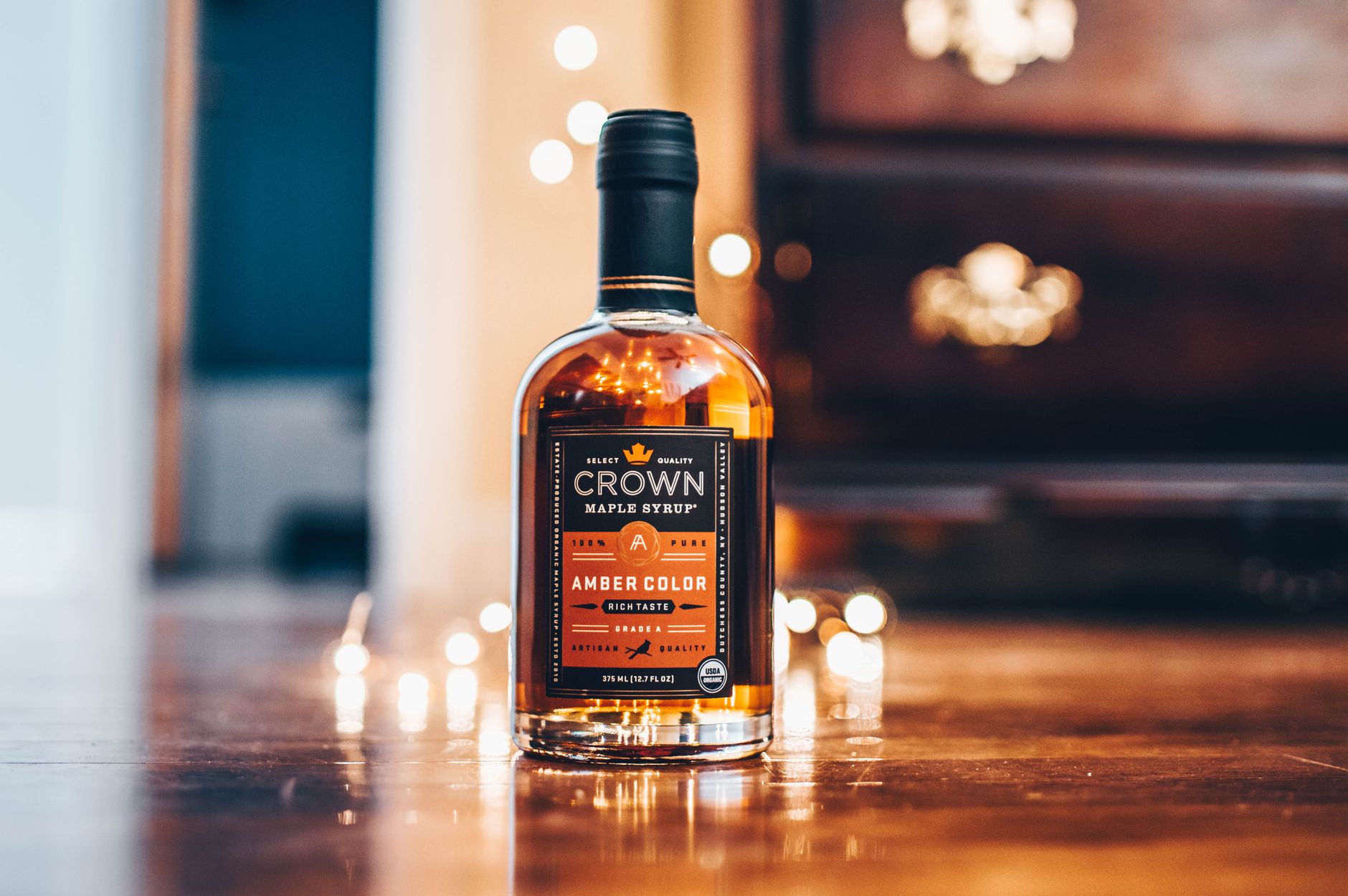
Maple syrup is a delightful natural sweetener that brings a distinct flavor and character to dishes, making it a popular substitute for refined sugar. Its unique taste and liquid form can alter recipes, so understanding how to replace sugar with maple syrup properly is crucial for successful cooking and baking.
In this guide, we will explore how much maple syrup to use as a sugar replacement, along with practical swaps, ratios, and tips to help you seamlessly incorporate this luscious syrup into your culinary creations.
How Much Maple Syrup to Replace Sugar?
When replacing sugar with maple syrup, the general rule of thumb is to use a 3:4 ratio, meaning for every 1 cup of sugar, you use 3/4 cup of maple syrup. This adjustment is necessary due to the extra liquid content in the syrup, which can impact the overall consistency of your recipes.
Additionally, for every cup of maple syrup used, reduce the total liquid in the recipe by about 3 tablespoons to maintain the desired texture and prevent excess moisture. This ratio ensures your dish remains well-balanced and maintains its intended consistency.
Understanding the Flavor Profile of Maple Syrup
Maple syrup offers a rich, sweet flavor with notes of caramel and vanilla, which can enhance desserts, sauces, and breakfast items. It’s essential to consider how the flavor of maple syrup will interact with the other ingredients in your dish.
Here are some common culinary uses for maple syrup:
- Sweetening baked goods like muffins and cookies
- Making marinades and glazes for meats
- Drizzling over pancakes, waffles, or yogurt
- Flavoring oatmeal or smoothie bowls
- Creating salad dressings
Practical Ratios for Substituting Maple Syrup for Sugar
When making substitutions, it helps to know the various conversions based on the type of sugar you are replacing. Here’s a quick reference for substituting maple syrup for different types of sugar:
| Type of Sugar | Maple Syrup Equivalent | Adjustment Notes |
|---|---|---|
| Granulated Sugar | 3/4 cup maple syrup | Reduce liquid by 3 tablespoons |
| Brown Sugar | 3/4 cup maple syrup | Reduce liquid by 3 tablespoons |
| Powdered Sugar | 5/8 cup maple syrup | Reduce liquid by 2 tablespoons |
| Coconut Sugar | 3/4 cup maple syrup | Reduce liquid by 3 tablespoons |
Baking with Maple Syrup
Baking with maple syrup can yield delicious results, but it does require a few adjustments. Here is a step-by-step guide to help you when you choose maple syrup as a sweetening agent in baked goods:
- Measure Properly: Use 3/4 cup of maple syrup for every 1 cup of sugar you wish to replace. Ensure your measuring cup is clean and dry for the best results.
- Reduce Liquid Ingredients: If your recipe calls for other wet ingredients such as milk, water, or oil, decrease the total volume of these by about 3 tablespoons for each cup of maple syrup added.
- Monitor Baking Time: Maple syrup may cause baked goods to brown faster due to its higher sugar content. Keep an eye on the baking process and be ready to adjust baking times as necessary.
- Flavor Pairing: Consider incorporating flavors that complement maple syrup, such as vanilla, cinnamon, or nutmeg, to enhance the overall taste of your baked goods.
- Cooling and Storing: Allow your baked goods to cool completely before storing to maintain moisture and texture. Maple syrup can make baked items more prone to sogginess if not cooled properly.
Cooking with Maple Syrup
In savory cooking, maple syrup can add depth and richness to various dishes. Here are ways to enhance your meals with maple syrup:
- Glazes and Marinades: Combine maple syrup with soy sauce, mustard, or vinegar for a flavorful glaze for meats and vegetables. Use the same 3:4 ratio when replacing sugar in these recipes.
- Salad Dressings: Whisk maple syrup into vinaigrettes to add a hint of sweetness. Adjust the other ingredients for balance and flavor.
- Stir-Frys: Maple syrup can sweeten stir-fried dishes. Use it sparingly alongside other seasonings to avoid overpowering the dish.
- Sauces: Incorporate maple syrup into sauces for added complexity, using the same substitution ratios as outlined earlier.
Common Mistakes to Avoid When Substituting Maple Syrup for Sugar
Switching to maple syrup can enhance your cooking and baking experience, but certain pitfalls can impair your results. Here are some common mistakes to look out for:
- Ignoring the Fluid Adjustment: Failing to reduce other liquid ingredients when using maple syrup can result in a too-wet end product.
- Overlooking Flavor Profile: Not considering how the syrup’s rich flavor integrates with other ingredients may lead to unbalanced dishes.
- Inadequate Measuring: Accurate measurement of ingredients is crucial, especially for liquid sweeteners like maple syrup. Using a dry measuring cup may result in imprecise amounts.
- Skipping Heat Awareness: Overbaking or overheating can cause desserts to brown too quickly due to maple syrup’s sugar content.
Tips for Working with Maple Syrup
To ensure the best experience when cooking and baking with maple syrup, consider these helpful tips:
- Choose Quality Maple Syrup: Opt for pure maple syrup rather than maple-flavored syrup, as the latter may contain artificial additives that can affect the taste.
- Store Properly: Keep maple syrup in a cool, dark place, and refrigerate after opening to prolong shelf life.
- Experiment with Recipes: Don’t hesitate to try maple syrup in various dishes. Its versatility can lead to surprisingly delicious outcomes.
- Mind the Color: Maple syrup comes in different grades, with color and flavor intensity varying. Darker syrup tends to have a stronger flavor, which can be beneficial for specific recipes.
Make-Ahead and Storage Options
Maple syrup’s shelf life can vary depending on how you store it. Here’s how to manage syrup and dishes using it:
- Store Maple Syrup: Maple syrup can last a long time when stored in the refrigerator, sometimes up to a year or more. Inspect for mold regularly and discard if any is present.
- Refrigerating Baked Goods: Store baked goods made with maple syrup in an airtight container in the refrigerator. Consume within 3-5 days for optimal freshness.
- Freezing Options: Most baked goods can be frozen for longer-term storage. Allow them to cool completely, wrap tightly, and then place them in a freezer-safe container. Thaw in the refrigerator before serving.
Creative Uses for Maple Syrup Beyond Baking and Cooking
Maple syrup’s use extends beyond traditional culinary applications. Here are a few creative ways to utilize maple syrup:
- Homemade Maple Sugar: Combine maple syrup with cornstarch and heat gradually to make your own maple sugar.
- Maple-Infused Beverages: Use maple syrup as a sweetener in cocktails, coffee, or smoothies for added flavor.
- Flavoring Sauces: Mix with barbecue sauce or hot sauce for a sweet and spicy glaze for meats.
- Maple Syrup in Marinades: Incorporate maple syrup into marinades for an added layer of flavor in roasted vegetables or meats.
Maple syrup presents a delectable alternative to refined sugar with its distinct taste and versatility. By understanding the proper ratios and techniques, you can create delicious dishes that showcase this natural sweetener beautifully.
Ready to sweeten your meals with maple syrup? Consider trying your hand at homemade maple syrup or even a brown sugar syrup to diversify your sweetening options. Discover more in our recipes section, or enhance your skills with practical cooking tips.