
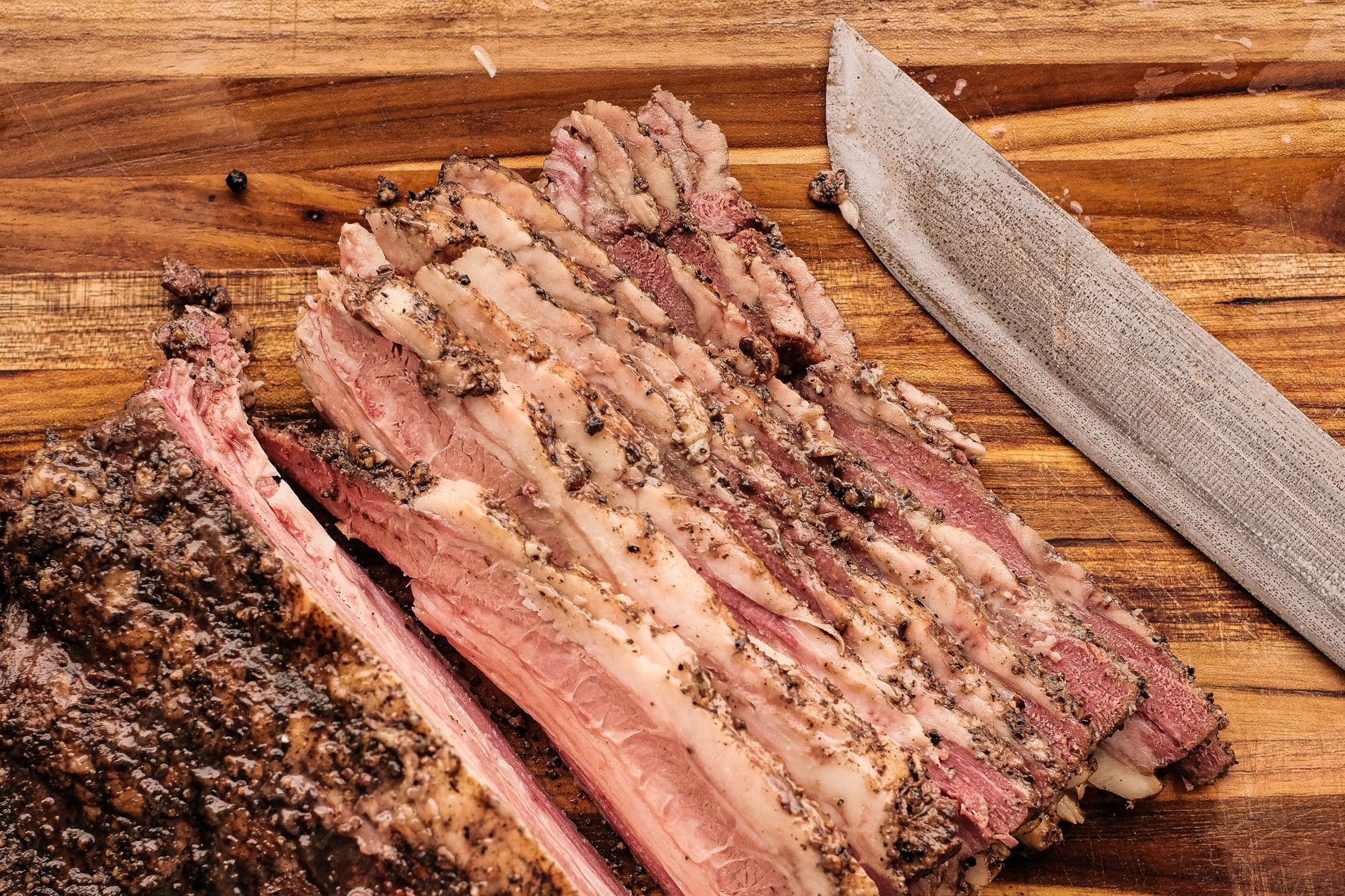
Brisket is a beloved cut of beef renowned for its rich flavor and tenderness when prepared correctly. Rooted in culinary traditions around the globe, brisket has become a staple in various cuisines, particularly in barbecue and comfort food. Understanding where brisket comes from can enhance your appreciation for this versatile ingredient.
This article explores the origins of brisket, its anatomy, cooking methods, and various preparations. Whether you’re planning to smoke, braise, or roast brisket, this guide will provide the insights you need to take your dish to the next level.
Where Does Brisket Come From?
Brisket originates from the forequarter of the cow, specifically between the neck and the breast plate. It comprises two primary muscles: the flat and the point. The flat is the leaner part, while the point has more marbling, making it richer in flavor. Understanding this anatomy helps chefs and home cooks alike choose preparation styles that best suit this cut.
Understanding the Anatomy of Brisket
The brisket is divided into two sections:
- Flat: This is the leaner portion of the brisket, typically yielding slices that are ideal for sandwiches. It has a consistent thickness, making it easier to slice.
- Point: Also known as the deckle, this part is thicker and contains more fat, resulting in a juicier and more flavorful bite. It’s often used for dishes like burnt ends.
Both parts require slow cooking methods to break down the connective tissue, resulting in tender and flavorful meat. Recognizing these sections can help you choose the best cooking method when preparing brisket.
Historical Context of Brisket
Brisket has a long and rich history that touches on various culinary practices across cultures. Its origins can be traced back to European Jewish communities. Traditionally, brisket has been prepared during special occasions and holidays, such as Passover, where it’s braised and served with sides like potatoes or carrots.
In the United States, particularly in Texas, brisket emerged as a barbecue staple. It became popular among pitmasters who recognized the potential of slow smoking the meat to achieve tenderness and flavor. Today, brisket is a highlight at barbecue competitions and restaurant menus nationwide.
Cooking Techniques for Brisket
There are several effective cooking methods for brisket. Each method can achieve delicious results, and the choice often depends on personal preference and available time.
Slow Smoking
Smoking brisket is a time-honored technique that infuses the meat with smoky flavor while ensuring it remains tender. Here’s how to do it:
- Prepare the Brisket: Trim excess fat from the brisket, leaving roughly 1/4 inch on the flat for moisture. Apply your preferred rub, which can include salt, pepper, garlic powder, and paprika.
- Set Up Your Smoker: Preheat your smoker to 225°F (107°C). Use hardwoods like oak or hickory for a classic smoky flavor.
- Smoke the Brisket: Place the brisket fat-side up in the smoker. Maintain a consistent temperature, adding wood chips as needed. Smoke until it reaches 165°F (74°C).
- Wrap the Brisket: Once it hits the target temperature, wrap it in butcher paper or foil. Return it to the smoker until it reaches an internal temperature of 195°F to 205°F (90°C to 96°C).
- Rest and Slice: Let the brisket rest for about 30 to 60 minutes before slicing against the grain to enhance tenderness.
Smoking can take anywhere from 10 to 18 hours depending on the size and thickness of the brisket; however, the low-and-slow approach yields incredibly flavorful results.
Braising
Braising is another excellent method for cooking brisket, particularly for the flat cut. It involves slow-cooking the meat in liquid, allowing flavors to meld. Here’s a basic guide:
- Brown the Brisket: In a large pot or Dutch oven, heat oil over medium-high heat. Sear the brisket on both sides until browned, around 5-6 minutes per side.
- Add Aromatics: Remove the brisket and sauté onions, garlic, and aromatic herbs of your choice until fragrant.
- Add Liquid: Return the brisket to the pot and add stock, wine, or a combination enough to cover the meat about halfway.
- Braise: Bring the liquid to a simmer. Cover and cook on low heat on the stovetop or in an oven set to 300°F (150°C) for 3 to 4 hours until tender.
Braising results in deeply flavored brisket that’s perfect for meals or sandwiches.
Roasting
While less common, roasting brisket is an option that can yield delicious results. The key is using a covered roasting pan to maintain moisture.
- Prepare the Brisket: Season and trim the brisket as you would for smoking.
- Preheat the Oven: Preheat your oven to 300°F (150°C).
- Roast: Place the brisket in a covered roasting pan and roast for about 3 hours, or until it reaches an internal temperature of around 195°F to 205°F (90°C to 96°C).
Roasting brisket can be an efficient way to prepare a meal for gatherings or family dinners, leading to a well-cooked cut that packs flavor.
Flavor Pairings for Brisket
When preparing brisket, considering flavor pairings can enhance its taste. Here are some classic accompaniments:
- Spices and Rubs: Common rub ingredients include smoked paprika, black pepper, garlic powder, and brown sugar.
- Side Dishes: Traditional pairings include coleslaw, baked beans, or potato salad.
- Condiments: Barbecue sauce—sweet or spicy—often complements smoked brisket well.
Exploring these flavors can help create vibrant and enjoyable meals centered around brisket.
Common Mistakes to Avoid When Cooking Brisket
Cooking brisket can be tricky, especially for beginners. Here are a few common pitfalls to watch out for:
- Not Trimming Fat: Leaving too much fat on the brisket can result in a greasy final dish. Trim excess fat but retain enough for flavor and moisture.
- Cooking at Too High a Temperature: Cooking brisket too fast can lead to tough, dry meat. Always opt for low and slow cooking temperatures.
- Skipping the Resting Period: Allowing the brisket to rest after cooking is essential for achieving tender meat. Patience is key!
- Cutting with the Grain: Always slice against the grain to ensure tender bites of meat. Taking the time to identify the grain pays off.
Storage and Reheating of Brisket
Storing and reheating brisket properly can help retain its juiciness and flavor. Follow these tips:
- Storing: Allow brisket to cool completely before transferring to an airtight container. It can be refrigerated for up to 4 days.
- Freezing: If you have leftovers, wrap brisket tightly in plastic wrap followed by foil to prevent freezer burn. It can last for up to 3 months in the freezer.
- Reheating: To reheat, use the oven at a low temperature (around 250°F or 121°C) to slowly warm the brisket while keeping it moist. A splash of beef broth or barbecue sauce can help retain its moisture.
Implementing these practices can keep your brisket tasting great even after cooking.
Conclusion
Brisket is more than just a culinary favorite; it’s steeped in rich history and tradition. Understanding its origins and the proper techniques for preparing it enhances the overall experience. Whether you choose to smoke, braise, or roast, brisket offers a delightful taste that can elevate any meal.
For those looking to expand their meat knowledge and cooking skills, consider trying recipes like smoked beef ribs or burnt ends to complement your brisket dishes. Explore more in our cooking tips and food guides to create unforgettable meals.