
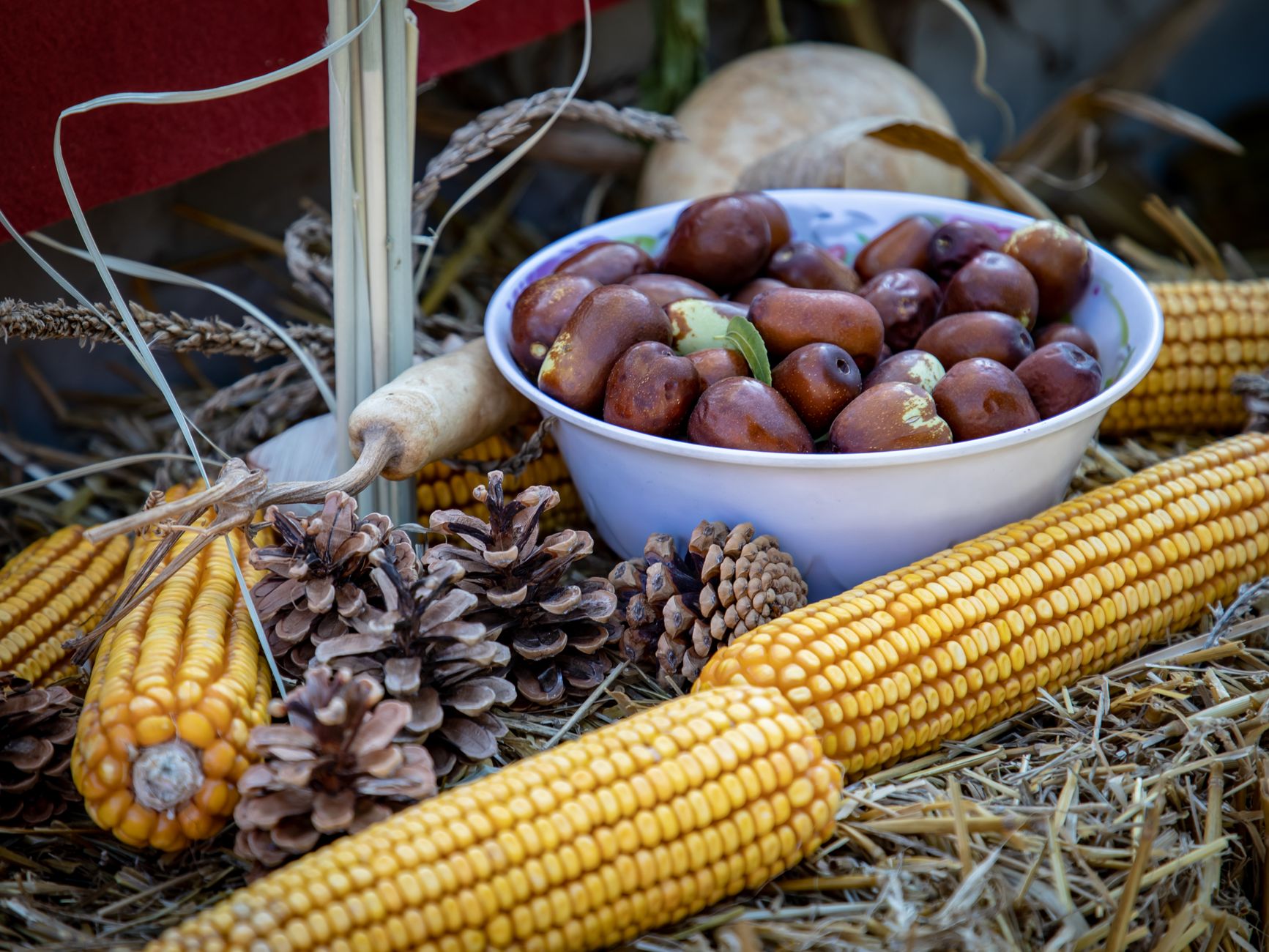
Corn nuts, often found in snack aisles and served as a bar snack, are dried corn kernels that provide a crunchy, savory treat. They stand out for their unique texture and flavor, making them a popular munching option for many. In this guide, we will explore what corn nuts are, their ingredients, flavor profile, and how to serve them effectively.
Whether you’re looking for a crunchy snack or an interesting addition to your culinary repertoire, understanding corn nuts will help you appreciate their versatility and appeal. From how they are made to creative serving suggestions, this article covers everything you need to know about corn nuts.
What Are Corn Nuts?
Corn nuts are whole corn kernels that have been soaked, roasted, or deep-fried until they become crunchy and flavorful. Unlike popcorn, which is typically made from a specific type of corn that “pops,” corn nuts are made from larger kernels, often of the hominy variety. This gives them their characteristic texture and allows for a satisfying crunch.
Ingredients Used in Corn Nuts
The primary ingredient in corn nuts is whole corn, but the preparation can involve additional ingredients for flavoring. Here’s a breakdown of what goes into making traditional corn nuts:
- Whole Corn Kernels: Large, mature corn kernels are essential for making corn nuts. They are usually treated to enhance their texture and flavor.
- Salt: Used to season the corn and bring out its natural flavors.
- Oil: If deep-frying is involved, oil is used to achieve that crispy texture. Common choices include vegetable oil, canola oil, or corn oil.
- Seasonings: Various spices can be added for flavor variations, including chili powder, garlic powder, or even cheese powder.
Flavor Profile of Corn Nuts
The flavor of corn nuts varies depending on the seasoning used. However, they generally have a rich, nutty, and slightly sweet taste thanks to the natural sugars in corn. The crunchiness combined with the savory flavors of salt makes them a delightful snack. Here are some common flavor notes you might encounter:
- Salty: The most prevalent flavor, which enhances the overall taste.
- Nuts: The corn has a natural buttery and nutty quality that comes through when roasted or fried.
- Savory Spices: Many brands offer variations infused with spices such as chili, BBQ, or ranch flavoring, adding complexity.
How to Serve Corn Nuts
Corn nuts are versatile snacks that can be served in numerous ways. Here are some ideas to incorporate them into your meals or snacks:
Solo Snack
The simplest way to enjoy corn nuts is to eat them straight out of the bag. Their crunch makes them a satisfying alternative to chips or traditional nuts.
Trail Mix
Corn nuts can add a delightful crunch to homemade trail mix. Combine them with nuts, dried fruits, and chocolate for a balanced snack.
Salads
Sprinkling toasted corn nuts over salads can provide additional texture and flavor. They complement greens beautifully, adding a nutty contrast to fresh vegetables.
Soup Garnish
Use corn nuts as a garnish for soups and stews. Their crunch can provide an engaging contrast to the creamy or smooth textures of many soups.
Appetizer Plate
Serve them alongside cheese and crackers or charcuterie boards for a fun twist. Their unique crunch is a welcomed addition to an appetizer spread.
Making Homemade Corn Nuts
If you’re interested in trying your hand at making corn nuts at home, here’s a simple method you can follow.
Ingredients
- 1 cup whole corn kernels (hominy or large white corn)
- 4 cups water (for soaking)
- 1 tablespoon salt (adjustable to taste)
- Oil for frying (if deep-frying)
- Your choice of seasonings (chili powder, garlic powder, etc.)
Essential Equipment
- Large bowl for soaking
- Pot for boiling (if not frying)
- Frying pan or deep-fryer (if frying)
- Paper towels (for draining)
Step-by-Step Instructions
- Soak the Corn: In a large bowl, add the corn kernels and cover them with water. Let them soak for at least 8 hours or overnight. This will hydrate the corn.
- Boil the Corn: After soaking, drain the water. In a pot, bring fresh water to a boil and add the soaked corn. Boil for about 10 minutes until the kernels are plump.
- Drain and Dry: Drain the corn again and spread it out on paper towels to remove excess moisture. Let them dry for about 30 minutes.
- Heat the Oil: In a frying pan or deep-fryer, heat oil to 350°F (175°C).
- Fry the Corn: Carefully add the dried corn kernels to the hot oil in small batches. Fry until they are golden brown and puffed up, usually 3-5 minutes.
- Drain and Season: Remove the corn from the oil and drain on paper towels. While still warm, sprinkle with salt and any additional seasonings you desire.
- Cool and Store: Let them cool completely before serving. If saving for later, store them in an airtight container.
Common Mistakes When Making Corn Nuts
When attempting to make corn nuts, be mindful of these common mistakes:
- Using Inappropriate Corn: Ensure you use the right type of corn. Regular sweet corn will not yield the same results.
- Soaking for Too Short: Proper hydration of the kernels is crucial. Shortening the soak time can lead to an undesirable texture.
- Too Much Oil: The corn should be fried until crisp, but too much oil can lead to sogginess.
Storing and Reheating Corn Nuts
Proper storage is key to maintaining the crunch of corn nuts. Here’s how to do it:
- Storage: Keep corn nuts in an airtight container at room temperature. They can last for several weeks if stored properly.
- Reheating: If your corn nuts lose their crunch, you can reheat them in a low oven (around 250°F or 120°C) for a few minutes to crisp them up again.
Flavor Variations and Substitutions
If you’re looking to switch things up, consider these variations and substitutions:
- Spicy Corn Nuts: Add cayenne pepper or hot sauce for an extra kick.
- Cheesy Corn Nuts: Dusting with cheese powder after frying can add a whole new flavor dimension.
- Sweet Corn Nuts: For a twist, coat the fried corn in a mix of sugar and cinnamon.
Health Aspects of Corn Nuts
Corn nuts are often viewed as a snack food, and while they can be part of a balanced diet, moderation is key. They are typically high in calories and sodium, especially if fried. On the positive side, they do contain fiber and other nutrients from the corn itself. Consider these aspects when enjoying corn nuts as a snack.
For those looking for alternatives that are lower in calories, consider air-popped versions of popcorn or roasted chickpeas, which can provide a similar crunch without some of the added fats.
Corn Nuts in Popular Culture
Corn nuts have become a staple in American snack culture. Often found in bars, they are paired well with beer, serving as a crunchy counterpoint to the beverage. They also appear as an ingredient in some regional dishes, showcasing corn’s versatility in various culinary traditions.
Conclusion
Corn nuts are more than just a crunchy snack; they are a versatile ingredient that can add texture to various dishes. Whether enjoyed straight from the bag, mixed into a salad, or as a garnish for soups, their nutty flavor makes them a favorite. Making your corn nuts at home can be a fun culinary project that allows for experimentation with flavors.
Explore related topics such as corn nuggets or corn souffle for more delicious corn-inspired dishes. Your culinary adventure with corn has just begun!