
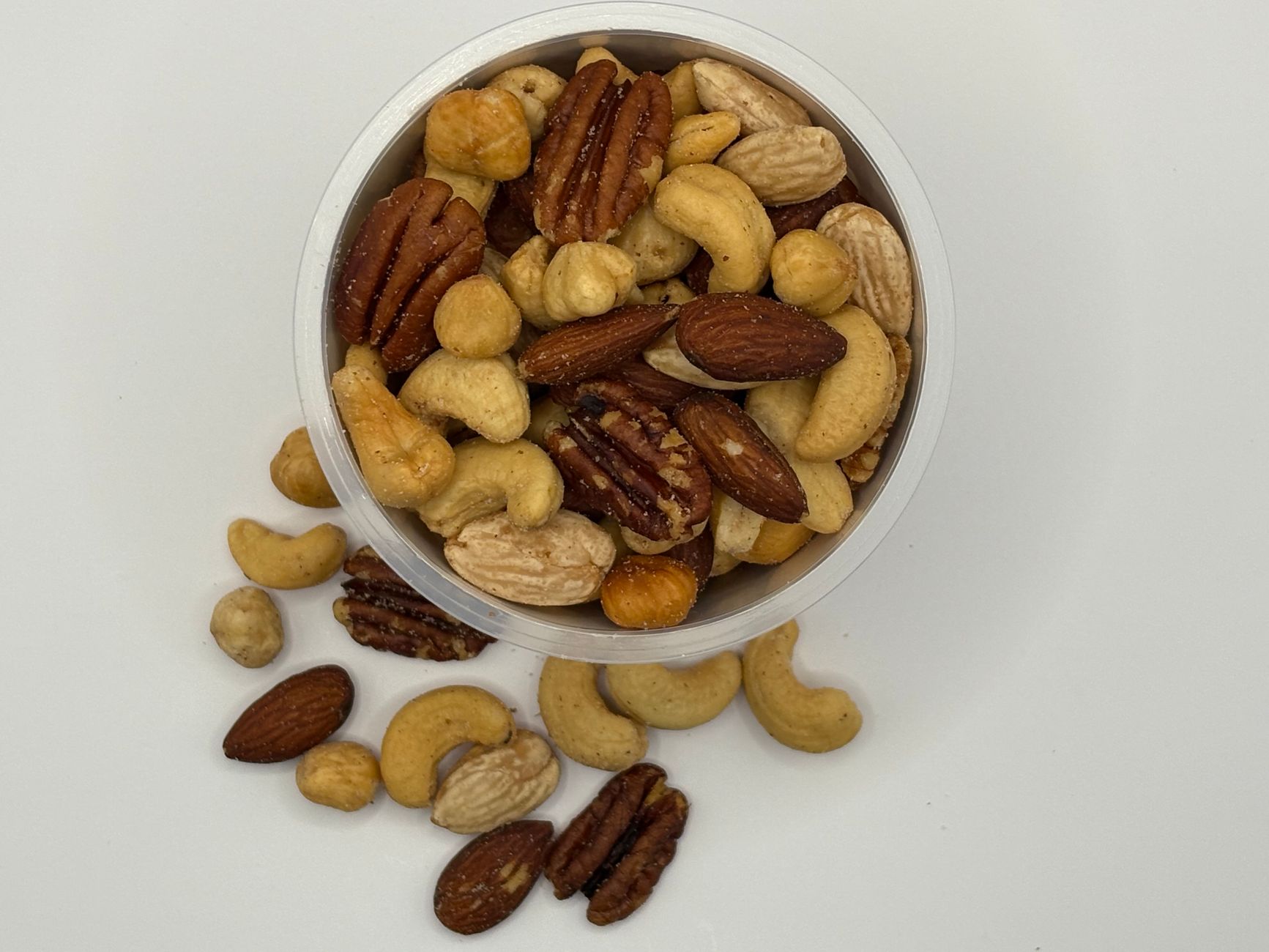
Nuts are often considered a healthy snack due to their rich nutrient profile. One key component that many health-conscious individuals want to know about is fiber content. Are nuts a good source of fiber? This article delves into the fiber content of various nuts, their health benefits, and how they can be included in your diet.
Understanding the fiber content in nuts helps consumers make informed dietary choices. With a range of nuts available, each type offers different flavors, textures, and nutritional profiles. In the sections that follow, we will explore the fiber content in nuts and practical tips for incorporating them into meals.
Do Nuts Have Fiber?
Yes, nuts do contain fiber, and the amount varies depending on the type of nut. Generally, nuts provide a good source of both soluble and insoluble fiber, beneficial for digestive health, blood sugar regulation, and heart health. Consuming nuts can contribute to the daily recommended fiber intake, which is essential for overall well-being.
Understanding the Importance of Fiber
Fiber plays a crucial role in maintaining digestive health. It helps prevent constipation, promotes a healthy gut microbiome, and aids in the management of weight by providing a feeling of fullness. Additionally, fiber is essential for regulating blood sugar levels and lowering cholesterol, contributing to heart health.
Nutritional Overview of Different Nuts
Here’s a breakdown of popular nuts and their fiber content per one-ounce serving:
| Nut Type | Fiber (grams) |
|---|---|
| Almonds | 3.5 |
| Walnuts | 2 |
| Pistachios | 3 |
| Cashews | 0.9 |
| Hazelnuts | 2.7 |
| Pecans | 2.7 |
| Brazil Nuts | 2.1 |
| Macadamia Nuts | 2.4 |
How to Choose Nuts for Maximum Fiber
When selecting nuts for their fiber content, consider the following tips:
- Opt for Raw or Dry-Roasted: Nuts often lose some nutritional value when roasted in oil or covered in sweet coatings.
- Check Portions: While nuts are healthy, they are also calorie-dense. Pay attention to portion sizes to avoid overconsumption.
- Variety Matters: Incorporate a variety of nuts into your diet to benefit from the unique nutritional profiles of each type.
Incorporating Nuts Into Your Diet
Adding nuts to your meals can increase fiber intake. Here are some practical suggestions:
Breakfast
- Granola: Add nuts to homemade or store-bought granola for a fiber boost.
- Oatmeal: Top your morning oatmeal with chopped almonds or walnuts for added texture and nutty flavor.
- Smoothies: Blend a tablespoon of nut butter into your smoothie for a creamy consistency and extra fiber.
Lunch
- Salads: Sprinkle nuts such as pecans or sunflower seeds into your salads for added crunch and nutrition.
- Sandwiches: Use nut spreads like almond or cashew butter in place of traditional spreads for a nutritious twist.
Dinner
- Stir-Fries: Toss in chopped peanuts or cashews into stir-fries for a crunchy texture.
- Casseroles: Incorporate chopped nuts into casseroles for added flavor and fiber.
Snacks
- Trail Mix: Create a homemade trail mix by combining nuts with dried fruit and seeds for a satisfying snack.
- Nuts as Snacks: Enjoy nuts raw or lightly roasted to maintain their fiber and nutrient content.
Practical Considerations When Eating Nuts
While nuts are generally a healthy snack, keep the following considerations in mind:
- Allergies: Be mindful of nut allergies, which can cause severe reactions in some individuals.
- Sodium Content: Many store-bought nuts are salted. Look for unsalted versions for healthier options.
- Caloric Density: Due to their high calorie content, moderation is essential, especially for those managing their weight.
Common Mistakes When Consuming Nuts
To make the most of nuts in your diet, avoid these common pitfalls:
- Overeating: It can be easy to consume excessive amounts of nuts, leading to higher calorie intake.
- Neglecting Variety: Sticking to just one type of nut can limit the range of nutrients obtained. Mix different varieties.
- Relying Solely on Nuts for Fiber: While nuts are great, they should complement other fiber-rich foods such as fruits, vegetables, and whole grains.
Exploring Nut Alternatives
If you’re looking for alternatives to nuts that also provide fiber, consider the following options:
- Seeds: Chia seeds, flaxseeds, and sunflower seeds deliver a splendid fiber punch.
- Legumes: Beans, lentils, and peas are excellent sources of fiber and offer different culinary uses.
- Whole Grains: Brown rice, quinoa, and oats pack substantial fiber and nutrients as well.
Culinary Techniques Using Nuts
Nuts can be used in various culinary techniques that enhance flavors and textures in recipes:
Chopping
Chop nuts finely to incorporate them into dishes like baked goods or sprinkle them on salads and yogurt.
Toasting
Enhance the flavor of nuts by toasting them in a dry skillet over medium heat for a few minutes. This brings out their natural oils and adds depth to dishes.
Nut Butters
Homemade nut butters are easy to prepare. Simply process roasted nuts in a food processor until smooth. Nut butters can be used in sauces, dressings, and as spreads.
Fiber-Rich Recipes Featuring Nuts
To enjoy the benefits of nuts and their fiber content, here are a few recipes that incorporate various nuts:
Nut and Seed Energy Balls
Yield: 12 energy balls | Prep Time: 15 minutes | Total Time: 15 minutes
- 1 cup rolled oats
- 1/2 cup nut butter (almond or peanut)
- 1/4 cup honey or maple syrup
- 1/2 cup mixed chopped nuts (almonds, walnuts, pecans)
- 1/4 cup seeds (chia or flaxseeds)
- 1/4 cup dark chocolate chips (optional)
- In a mixing bowl, combine all ingredients until well mixed.
- Form the mixture into balls of desired size.
- Place them in the refrigerator for about 30 minutes to set.
- Store in an airtight container in the fridge for up to one week.
Nutty Banana Oatmeal
Yield: 2 servings | Prep Time: 5 minutes | Cook Time: 10 minutes | Total Time: 15 minutes
- 1 cup rolled oats
- 2 cups water or milk
- 1 ripe banana, mashed
- 1/4 cup chopped nuts (walnuts or pecans)
- 1/2 tsp cinnamon
- Optional toppings: nut butter, berries, honey
- In a pot, combine water or milk, rolled oats, and cinnamon.
- Bring to a boil and reduce heat to simmer for 5-7 minutes, stirring occasionally.
- Stir in mashed banana and chopped nuts, cooking for an additional minute.
- Serve warm with optional toppings.
Storing Nuts for Freshness
To maintain their freshness and nutritional value, store nuts properly:
- Cool, Dark Place: Nuts can be stored in a cool part of your kitchen in airtight containers for several months.
- Refrigeration: Store nuts in the refrigerator to extend their shelf life, especially those high in fat like walnuts and pine nuts.
- Freezing: For longer storage, nuts can be placed in the freezer in airtight bags or containers for up to a year.
Conclusion
Nuts are a delightful and nutritious source of fiber that can enhance a variety of meals and snacks. By recognizing the fiber content of different nuts and incorporating them thoughtfully into your diet, you can enjoy the multiple health benefits they offer. Explore a range of recipes, snack ideas, and storage tips to make the most out of your nut consumption.
If you’re looking for more delicious and fiber-rich foods, check out our guide on fiber in bananas and learn how to make a tasty chia pudding recipe with coconut milk. These recipes can complement your meals while boosting your fiber intake.