
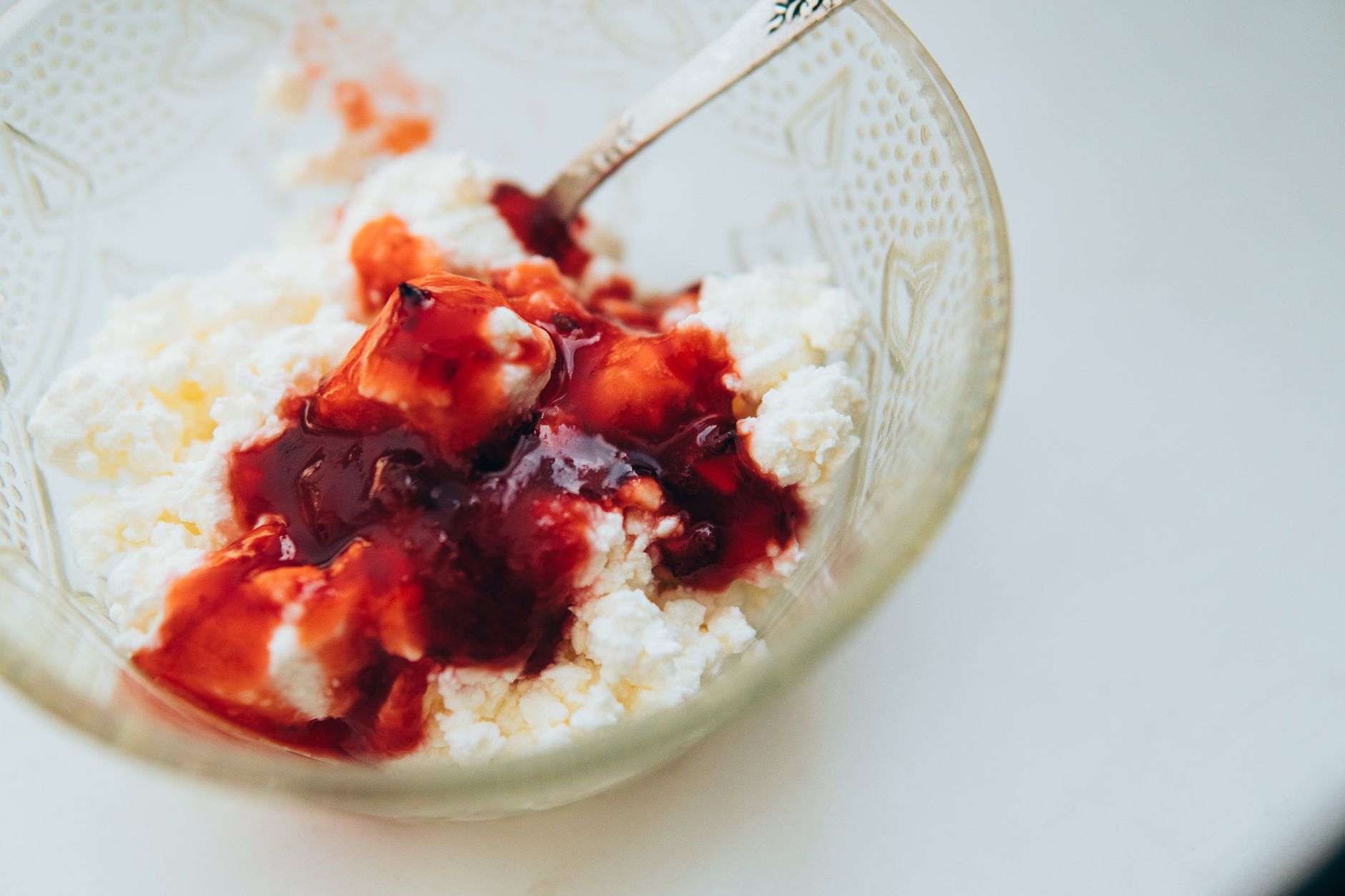
Cottage cheese is a versatile dairy product commonly used in various dishes, from breakfast bowls to savory recipes. As more people become aware of dietary restrictions, particularly gluten intolerance and celiac disease, the question arises: is cottage cheese gluten free? Understanding the ingredients used in cottage cheese and any potential allergens involved is crucial for those managing their diets.
This article delves into whether cottage cheese is gluten free, the potential for cross-contamination, and essential allergy notes to keep in mind when incorporating this tasty ingredient into your meals.
Is Cottage Cheese Gluten Free?
Yes, cottage cheese is typically gluten free. The primary ingredients in cottage cheese are milk and an acid like vinegar or lemon juice, which does not contain gluten. However, always check labels as formulations can vary by brand and flavor. Some brands may add flavorings or stabilizers that could contain gluten.
Ingredients in Cottage Cheese
Cottage cheese is generally made from a few key ingredients, which can vary slightly depending on the manufacturer:
- Milk: The base of cottage cheese, usually made from whole, low-fat, or skim milk.
- Acid: Typically vinegar or lemon juice, which helps curdle the milk.
- Salt: Added for flavor.
- Creme or cream: Sometimes added for richness and creaminess.
- Thickeners or stabilizers: Some brands may include these to improve texture.
Potential Gluten Sources
While traditional cottage cheese is naturally gluten free, there are some important notes to consider:
- Packaged Cottage Cheese: Always read the label carefully. Some varieties, especially flavored ones, might contain added ingredients that may introduce gluten.
- Cross-Contamination: For those with celiac disease or severe gluten sensitivities, be cautious about cross-contamination during production. Brands that process their cottage cheese in facilities that handle gluten-containing products may pose a risk.
- Added Ingredients: Watch for brands that add herbs or spices, which could occasionally include gluten-containing ingredients as fillers.
Buying Cottage Cheese: What to Look For
When shopping for cottage cheese, follow these tips to ensure you’re choosing a gluten-free option:
- Look for Certified Gluten-Free Labels: Some brands specifically label their products as gluten free, which can give you peace of mind.
- Check Ingredient Lists: If you’re unsure, reading the ingredient labels can help spot any potential hidden sources of gluten.
- Consult Brand Websites: Many manufacturers provide detailed allergen information on their websites, which can be a great resource.
How to Use Cottage Cheese in Meals
Cottage cheese’s unique flavor and texture make it a versatile ingredient across various meals. Here are some popular ways to incorporate cottage cheese into your diet:
Breakfast Ideas
- Cottage Cheese Bowl: Combine cottage cheese with fresh fruits like berries or peaches, nuts, and a drizzle of honey for a healthy breakfast.
- Smoothies: Add cottage cheese to smoothies for a protein boost and creamy texture.
- Pancakes: Mix cottage cheese into pancake batter for added protein and moisture.
Lunch and Dinner Options
- Cottage Cheese Salad: Use cottage cheese as a dressing base for salad, mixing it with herbs and spices to add flavor.
- Lasagna: Substitute cottage cheese for ricotta in lasagna for a lighter, protein-rich option.
- Stuffed Peppers: Mix cottage cheese with vegetables and spices to stuff peppers, adding another layer of flavor.
Snacks and Desserts
- Dip: Blend cottage cheese with herbs and spices for a delicious dip with veggies or crackers.
- Cottage Cheese Brownies: Some recipes use cottage cheese as an ingredient in brownies, adding moisture and protein.
Common Mistakes When Using Cottage Cheese
Here are a few mistakes to avoid when incorporating cottage cheese into your meals:
- Choosing the Wrong Type: Opt for full-fat or reduced-fat varieties based on your dietary needs; fat-free cottage cheese can be watery and less flavorful.
- Not Seasoning: Many varieties do not have enough flavor on their own; seasoning is essential to enhance their taste.
- Ignoring Texture: If you prefer a smoother texture, try blending cottage cheese before using it in recipes or as a dip.
Storage and Shelf Life of Cottage Cheese
Proper storage of cottage cheese is vital to ensure freshness and avoid spoilage:
- Refrigeration: Store cottage cheese in the refrigerator at or below 40°F (4°C).
- Keep it Tightly Sealed: Make sure the container is well sealed to prevent contamination and drying out.
- Check Expiration Dates: Always check the expiration date before consuming. Generally, cottage cheese can last for 5-10 days after opening if stored properly.
Cooking with Cottage Cheese: Benefits and Tips
Using cottage cheese in cooking not only enhances the flavor but also adds a good source of protein to your meals. Here are a few benefits and tips:
Health Benefits
- High in Protein: Cottage cheese is rich in protein, making it a great option for those looking to boost their intake.
- Low in Calories: Compared to many other dairy products, cottage cheese is lower in calories, which can be beneficial for weight management.
- Versatile Ingredient: Its mild flavor makes it suitable for both sweet and savory dishes.
Cooking Tips
- Don’t Overheat: When cooking with cottage cheese, avoid overheating, as it can become rubbery.
- Strain if Needed: If you’re using it in baking, consider straining excess moisture to prevent sogginess.
- Experiment with Flavors: Try mixing in different herbs and spices to elevate your dishes.
Alternatives to Cottage Cheese
If you’re looking for alternatives to cottage cheese due to dietary restrictions or personal preferences, consider these options:
- Ricotta Cheese: Similar texture but creamier and slightly sweeter; a great substitute in both savory and sweet dishes.
- Greek Yogurt: Provides a similar creamy texture and is packed with protein while being gluten free.
- Tofu: For a dairy-free option, silken tofu blended can mimic cottage cheese in texture.
Conclusion
Cottage cheese is generally gluten free, making it a great option for many diets. Always check labels for any added ingredients that could introduce gluten and be mindful of cross-contamination in production. With its versatility and health benefits, cottage cheese can be a valuable addition to various meals.
If you’re inspired to try some cottage cheese recipes, check out our cottage cheese dip recipe or give our cottage cheese brownie recipe a go for a sweet twist. Explore more delicious ideas and tips as you incorporate this nutritious ingredient into your meal planning.