
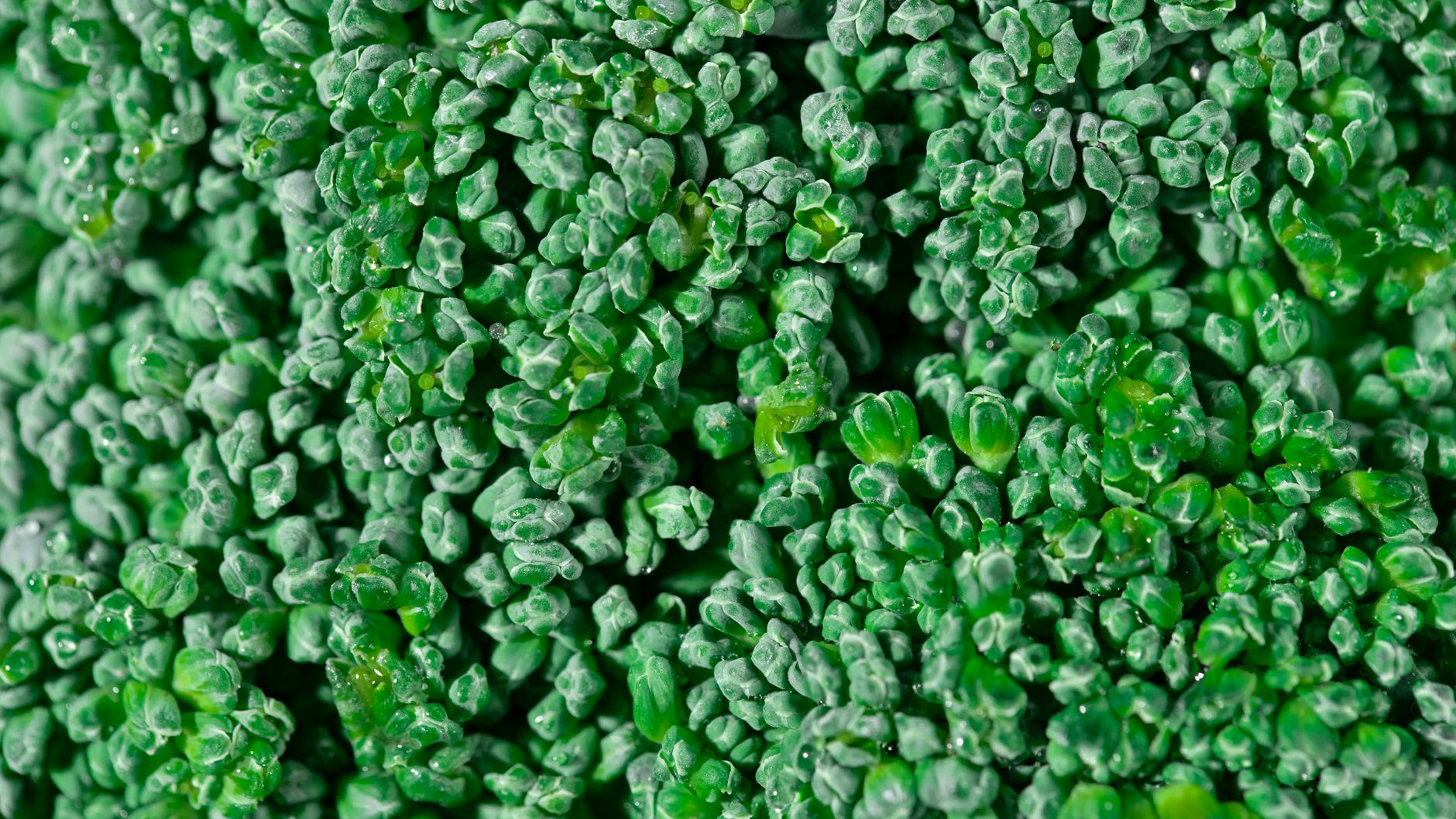
Broccoli is a nutrient-rich vegetable that many people incorporate into their diets for its health benefits. However, a common topic of discussion among broccoli enthusiasts is its tendency to cause gas. This article explores why broccoli can sometimes lead to bloating and gas, how fiber and portions play a role, and offers tips on how to mitigate those effects.
Understanding the relationship between broccoli consumption and gassiness requires diving into the vegetable’s composition and how our bodies digest it. This guide will help clarify these elements and provide practical advice for enjoying broccoli while minimizing discomfort.
Does Broccoli Make You Gassy?
Yes, broccoli can make you gassy for some people, primarily because it contains fiber and certain compounds that can produce gas during digestion. However, the extent to which broccoli affects an individual varies based on personal digestive systems and how much broccoli is consumed.
The Science Behind Broccoli and Gas Production
To understand why broccoli can lead to gassiness, it’s helpful to know what happens during digestion. When we eat fibrous foods like broccoli, the body breaks down these nutrients through fermentation in the intestines. This process can produce gas as a byproduct.
Key Components Contributing to Gas
- Fiber: Broccoli is high in dietary fiber, which contributes to digestive health. However, if your body is not used to high-fiber foods, consuming a large quantity can lead to increased gas production.
- Raffinose: This is a complex sugar found in broccoli and other cruciferous vegetables. Raffinose is known to cause gas as it’s digested slowly, leading to fermentation by bacteria in the gut.
- Sulfur Compounds: The sulfur-rich compounds found in broccoli can also contribute to odors associated with gas. These compounds are beneficial for health but can create less pleasant side effects during digestion.
Fiber: The Double-Edged Sword
Dietary fiber is essential for a healthy digestive system. It promotes regularity, helps control blood sugar levels, and lowers cholesterol. However, for those not accustomed to high-fiber diets, an abrupt increase in fiber intake can result in temporary gastrointestinal issues, including gas and bloating.
The Role of Fiber in Digestion
Fiber is categorized into two types: soluble and insoluble. Soluble fiber dissolves in water and can help lower cholesterol and stabilize blood sugar, while insoluble fiber adds bulk to stool and aids in digestion by promoting regular bowel movements. Broccoli contains both types of fiber, making it a powerhouse for digestive health. However, when consumed in large amounts, the digestive system may struggle to handle such quantities, leading to gas.
Portion Control: A Practical Approach
The amount of broccoli you eat at one time significantly affects gassiness. Moderation can help prevent discomfort while still allowing you to enjoy the vegetable’s benefits. Here are guidelines on portion sizes that may help reduce gas production:
- Start Small: If you’re not used to eating broccoli regularly, start with small portions—about half a cup cooked or a cup raw—and gradually increase the amount as your body adjusts.
- Cooking Methods Matter: Cooking broccoli can help break down some of its fibrous structure, making it easier to digest. Steaming or boiling are recommended over eating it raw for those sensitive to gas.
- Pairing Foods: Consider what you’re eating with broccoli. Combining it with other foods that are easier to digest may help mitigate gas production.
Practical Tips for Enjoying Broccoli Without the Gas
To enjoy broccoli while minimizing gassiness, here are some strategies to consider:
Cooking Techniques
Different cooking methods can make a substantial difference in how your body processes broccoli.
- Steaming: This method preserves most of the nutrients and softens fibers, making digestion easier.
- Boiling: While boiling can leach some nutrients, it can also help reduce the fiber’s gassy effects. Blanching, or briefly boiling followed by cooling in ice water, can be a good option for salads.
- Roasting: Roasting broccoli brings out a unique flavor through caramelization and softens the texture. Both of these aspects can make it easier on the digestive system.
Foods That May Help Reduce Gas
Pairing broccoli with certain foods can aid digestion and help minimize gas production:
- Ginger: Known for its digestive properties, adding ginger to your broccoli dishes can help soothe the stomach.
- Pineapple: Contains bromelain, an enzyme that aids in the digestion of proteins and may help with gas.
- Herbs and Spices: Cumin, fennel, and peppermint can help reduce gas. Consider adding these to your broccoli dishes.
Digestive Aids
Over-the-counter supplements such as beano contain enzymes that break down raffinose and other complex sugars, making digestion easier. These can be beneficial for those who want to enjoy broccoli without discomfort.
Gas vs. Bloating: Understanding the Difference
Gassiness often presents itself as persistent bloating, discomfort, or flatulence. Understanding the difference between gas and bloating can help refine your approach to consuming broccoli:
- Gas: Refers to the natural byproduct of digestion, often resulting in flatulence. This can occur even when you’re not feeling overly full.
- Bloating: This occurs when the abdomen feels full, tight, or swollen, often accompanied by discomfort or an increase in abdominal size. Bloating can occur for various reasons—including water retention, overeating, or the consumption of certain foods like broccoli.
Other Considerations: Is Broccoli Right for You?
For some individuals, broccoli may cause more severe gastrointestinal issues. This could be due to irritable bowel syndrome (IBS), food intolerances, or other underlying conditions. If you notice frequent discomfort after eating broccoli, it may be worth evaluating your diet or consulting with a healthcare professional.
Consulting a Professional
Your digestive health is complex, and if you are consistently experiencing gas or bloating after eating broccoli or other cruciferous vegetables, consider consulting a registered dietitian or healthcare provider. They can help determine if there are specific dietary changes you should make or if testing for intolerances is necessary.
Serving Ideas: Incorporating Broccoli in Your Diet
To enjoy broccoli while reducing its gaseous effects, consider these delicious and stomach-friendly serving ideas:
- Broccoli Salad: Combine cooked broccoli with ginger, pineapple, and a light vinaigrette for a refreshing side dish.
- Stir-Fry: Quick cooking with lean protein and softer vegetables can make for a nutritious meal that is easier to digest.
- Soup: A broccoli soup with garlic and ginger can enhance enjoyment while using digestive aids within the ingredients.
Common Mistakes and Troubleshooting
Even with the best intentions, it is possible to run into issues when cooking or consuming broccoli. Here are some common mistakes to avoid:
- Overcooking: While cooking is essential for reducing gas, overcooking can diminish nutrients and result in mushy vegetables. Aim for tender-crisp to retain both flavor and benefits.
- Eating Too Much At Once: Gradually increase your intake rather than diving headfirst into a big portion of broccoli.
If you find yourself experiencing gas, pay attention to how your body responds and experiment with the cooking methods and combinations discussed to see what works for you.
Storage Tips for Freshness
Storing broccoli correctly can help maintain its freshness and nutritional value:
- Refrigeration: Keep broccoli in a breathable produce bag in the vegetable crisper drawer of your refrigerator.
- Freezing: To preserve broccoli, blanch it in boiling water for a few minutes, then transfer to an ice bath before freezing in airtight containers. This helps maintain flavor and nutrients.
Final Thoughts
Broccoli offers many health benefits and can be a delicious and nutritious addition to your meals. While it has the potential to cause gassiness in some individuals, understanding how to prepare and consume it can help mitigate these effects. Small portion sizes, thoughtful cooking methods, and strategic food pairings can all contribute to an enjoyable broccoli experience without the discomfort of gas.
For more information about how broccoli fits into your diet or how to prepare other ingredients, consider exploring Does Broccoli Have Carbs? and Does Cabbage Make You Poop? for additional insights on dietary choices and their effects.