
Artichokes are a unique and versatile vegetable that can elevate many dishes with their nutty, complex flavor. Understanding when artichokes are in season helps in selecting the freshest produce, enhancing your culinary creations, and making the most of their health benefits. This guide covers their peak season, tips for buying, and insights into their preparation and culinary uses.
Whether you want to roast, steam, or grill artichokes, knowing their availability will allow you to enjoy the best of this intriguing vegetable throughout the year. With the right information and some tips, you can elevate your meals and enjoy all the benefits that artichokes bring.
When Are Artichokes in Season?
Artichokes are primarily in season during spring, particularly from March through May. However, specific varieties may be available at different times of the year, affecting their taste and texture. The peak season varies slightly depending on where you live, but during this period, fresh artichokes are abundant and at their best flavor-wise.
Understanding Artichoke Varieties
There are several varieties of artichokes, each with unique characteristics. Knowing these varieties can help you choose the right type and understand when you might find them available.
- Green Globe: This is the most common type of artichoke, often found in grocery stores. It has a round shape and a rich, nutty flavor.
- Jerusalem Artichokes: While not a true artichoke, these tubers share a name. Available in fall and winter, they have a sweet flavor and are often used in soups and roasted dishes.
- Baby Artichokes: Smaller in size, these have fewer leaves and a more tender flavor. They can be found in retail markets mainly in the spring.
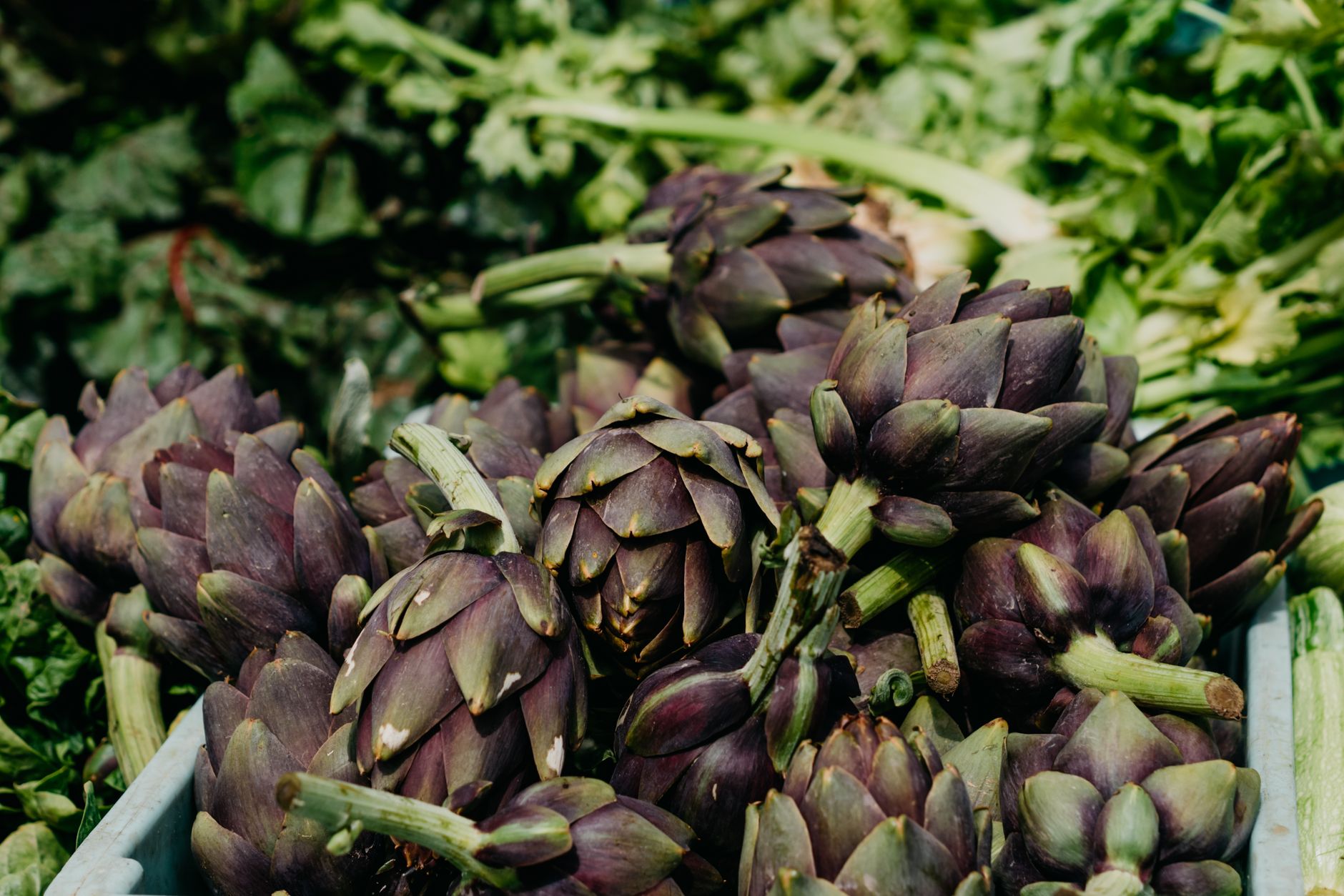
- Violette Artichokes: This variety is purple and has a sweeter, more delicate flavor. They are less common but are typically available in the spring months.
Where to Buy Artichokes
Artichokes can be found in various places, depending on your location and the season. Here are some ideas on where to buy artichokes:
- Farmers’ Markets: These markets often offer the freshest selections during peak season. Look for local growers for the best options.
- Grocery Stores: Many larger grocery stores carry artichokes year-round, though the quality is best during their peak season.
- Specialty Stores: Stores that focus on fresh produce or international ingredients may have a more diverse selection, including rarer varieties.
Choosing Fresh Artichokes
When purchasing artichokes, look for qualities that indicate freshness:
- Color: Select artichokes that are deep green or purple, depending on the variety. The colors should be vibrant, indicating freshness.
- Leaf Structure: Choose those with tightly packed leaves rather than those with leaves that are spread apart or dry. Fresh artichokes should feel heavy for their size.
- Sound: When you squeeze the artichoke, fresh ones should make a slight squeaking sound. This indicates that the vegetable is full of moisture.
Preparing Artichokes for Cooking
Cooking artichokes can seem daunting, but the process is straightforward once you know how to prepare them. Below are the steps for preparing artichokes:
- Rinse: Start by rinsing the artichoke under cold water to remove any dirt or debris.
- Trim: Using a sharp knife, cut off the top inch of the artichoke to remove the prickly leaves. You may also trim the stem to about one inch from the base.
- Remove Tough Leaves: Peel away any tough outer leaves at the base, especially if they feel woody or dry.
- Rub with Lemon: To prevent browning, rub the cut edges with a lemon or soak them in lemon water until ready to cook.
Cooking Methods for Artichokes
Artichokes can be prepared using various cooking methods, each offering distinct flavors and textures.
Steaming Artichokes
Steaming preserves the delicate flavor and tender texture of the artichokes. Here’s how to do it:
- Fill a pot with about two inches of water and place a steaming basket inside.
- Bring the water to a boil and place the prepared artichokes in the steaming basket.
- Cover the pot and allow the artichokes to steam for 25 to 40 minutes, depending on their size, until the leaves pull away easily.
Roasting Artichokes
Roasting artichokes gives them a deeper flavor. Follow these steps:
- Preheat the oven to 400°F (200°C).
- After trimming the artichokes, drizzle with olive oil, salt, and pepper.
- Wrap each artichoke in aluminum foil and roast for 30 to 45 minutes, or until tender.
Grilling Artichokes
Grilling imparts a smoky flavor to the artichokes. Here’s how:
- Boil the prepared artichokes in salted water for about 20 minutes until slightly tender.
- Cut them in half and brush with olive oil and your choice of seasonings.
- Grill over medium heat for 5-10 minutes until they have nice grill marks.
Artichoke Culinary Uses and Pairings
Artichokes can enhance a variety of dishes across cuisines. Here are some popular culinary uses:
- Salads: Toss steamed artichoke hearts with mixed greens, lemon vinaigrette, and Parmesan cheese for a delightful salad.
- Pasta Dishes: Add diced artichokes to pasta sauces, especially those featuring cream or tomatoes.
- Dips: Blending cooked artichokes into dips, such as artichoke and spinach dip, makes for a savory appetizer.
- Stuffed Artichokes: Fill the artichokes with breadcrumbs, herbs, and cheese before steaming or roasting.
Health Benefits of Artichokes
Artichokes are not only delicious but also packed with nutritional benefits. Here are some key benefits:
- High in Antioxidants: Artichokes are rich in antioxidants, which help fight free radicals and reduce the risk of chronic diseases.
- Source of Fiber: They are high in dietary fiber, promoting healthy digestion and making you feel fuller longer.
- Heart Health: Artichokes contain compounds that may help lower cholesterol and improve overall heart health.
Common Mistakes When Cooking Artichokes
While preparing artichokes is relatively straightforward, several common mistakes can affect your final dish:
- Not Trimming Properly: Failing to trim dry or tough leaves can lead to a less enjoyable eating experience.
- Overcooking: Cooking artichokes for too long can make them mushy, while undercooking can leave them tough. Be attentive to cooking times.
- Not Seasoning: Artichokes have a mild flavor that benefits greatly from seasoning. Be generous with spices, herbs, and oils.
Storage and Preservation of Artichokes
Proper storage of artichokes is essential to maintain their freshness:
- Refrigeration: Store artichokes in the crisper drawer of the refrigerator wrapped in a damp paper towel and a plastic bag.
- Freezing: To preserve artichokes longer, blanch and freeze them. Remove the leaves and heart, then blanch in boiling water for 3-4 minutes before transferring to an ice bath.
Buying Tips for Off-Season Artichokes
Finding artichokes outside of peak season can be challenging, but here are some tips:
- Check Local Markets: Some farmers may have hybrid varieties that can grow outside the typical season.
- Frozen Artichokes: If fresh options are unavailable, frozen artichokes can be a convenient and flavorful alternative for recipes.
Final Thoughts
Artichokes are a versatile vegetable with a rich flavor and numerous culinary applications. Knowing when they are in season, how to prepare them, and their health benefits can enhance your cooking experience. Incorporating artichokes into your meals can provide variety and elevate your dishes.
Now that you have insights into selecting, cooking, and enjoying artichokes, consider diving into recipes or cooking methods that highlight this incredible ingredient.
For more information on artichokes, check out these articles: How Long to Steam Artichokes and What Are Artichokes Good For?.