
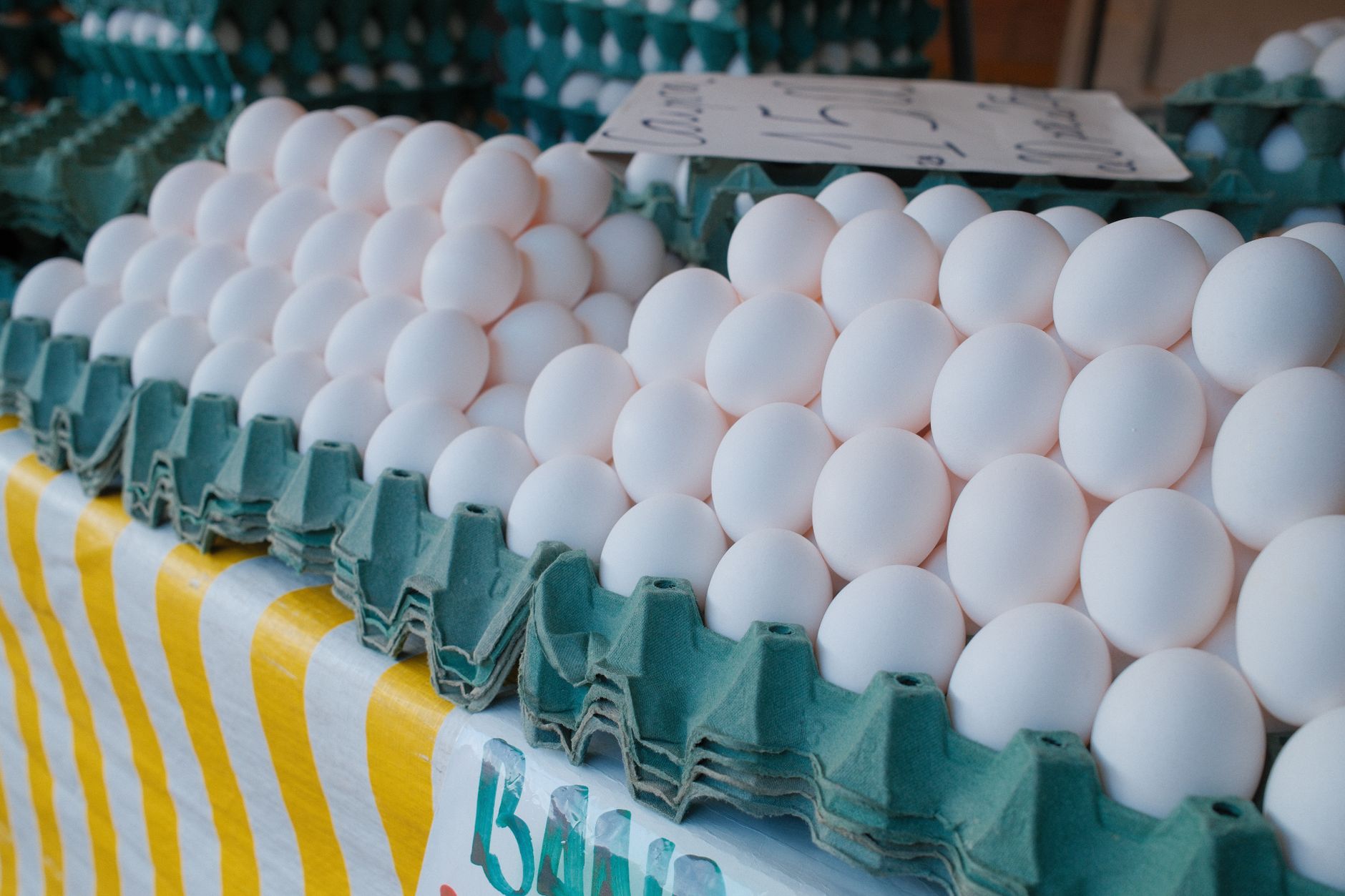
Eggs are a staple in many households, prized for their versatility and nutritional value. However, the question of how long they remain good after the “best by” date often causes confusion and concern. Understanding the shelf life and proper storage of eggs is essential to ensure food safety and minimize waste.
This guide will help you navigate the complexities of egg storage, including how long you can safely keep eggs beyond their best by date, tips for ensuring their freshness, and how to store them properly.
How Long Are Eggs Good After Best By Date?
Eggs can typically be good for three to five weeks after the best by date if they have been stored correctly. However, factors such as storage conditions and how the eggs were handled prior to your purchase can influence their actual longevity.
Understanding the “Best By” Date
The “best by” date on an egg carton indicates the period during which the eggs will retain their best quality. It’s not an expiration date, which means that they might still be safe to consume after this date under the right circumstances.
Types of Egg Date Labels
In addition to “best by,” you might encounter other labels, such as:
- Sell By: The date by which stores should sell the eggs for the best quality.
- Use By: A recommendation for when eggs should be consumed for optimal quality, often related to safety in perishable products.
Factors Affecting Egg Freshness
Several factors impact how long eggs can remain fresh and safe to consume:
- Storage Temperature: Eggs should be stored in the refrigerator to maintain their freshness, ideally at 40°F (4°C) or lower.
- Initial Quality: The condition of the eggs when bought—whether they were fresh when purchased or approaching their sell by date—can impact their shelf life.
- Handling: Eggs that have been handled with clean hands and kept at a stable temperature are more likely to stay fresh longer.
How to Check Egg Freshness
Even if eggs are past their best by date, you can check their freshness using a few simple methods:
The Water Test
Fill a bowl with water and gently place the eggs in it:
- Sink to the bottom: Fresh.
- Stand upright on the bottom: Still good, but best to use soon.
- Float to the top: Bad; discard immediately.
Shake Test
Hold the egg up to your ear and shake it gently. If you hear a sloshing sound, the egg has likely gone bad.
Visual and Smell Check
Crack the egg open in a separate bowl. A foul odor, discoloration, or unusual texture can indicate spoilage.
Proper Storage Methods for Eggs
To maximize the shelf life of eggs and maintain their quality, consider the following storage tips:
Refrigeration
Always store eggs in the coldest part of your refrigerator rather than in the door, where temperatures can fluctuate. Keep them in their original carton to prevent them from absorbing odors and flavors from other foods.
Freezing
If you have excess eggs, freezing them can be an option:
- Crack the eggs into a bowl, gently whisk them together, and pour them into an airtight container or freezer-safe bag.
- Label with the date and use them within six months for the best quality.
Cooking with Eggs Beyond the Best By Date
When using eggs past their best by date, consider how you prepare them:
Cooking Thoroughly
Make sure to cook eggs until both the whites and yolks are firm. This reduces the risk of foodborne illnesses.
Recipe Ideas
Here are a few recipes that you can make with eggs, allowing you to incorporate them effectively before they spoil:
- Omelettes and scrambles for a hearty breakfast.
- Quiches and frittatas that can easily use a variety of additional ingredients.
- Baked goods, such as cakes and muffins, where eggs help with leavening and moisture.
Common Mistakes to Avoid
To ensure you get the most out of your eggs, avoid these common pitfalls:
- Storing eggs incorrectly, such as in the door instead of the main compartment of the fridge.
- Not checking the eggs for freshness before use.
- Buying eggs that are already close to their best by date.
Signs Your Eggs Have Gone Bad
It’s crucial to recognize when eggs are spoiled to avoid food poisoning:
- Smell: A strong sulfur or rotten egg scent when cracked open indicates spoilage.
- Appearance: Any discoloration or unusual texture suggests that the eggs are no longer good.
- Consistency: If the egg white is runny or the yolk is flat and easily breaks, these are signs of aging.
Eggs in Cooking and Baking
Due to their role as both a binding agent and a leavening agent in many recipes, understanding how to use eggs effectively is key:
Binding Agent
In recipes like meatloaf or burgers, eggs help hold ingredients together, enhancing texture. If you notice the eggs are nearing the end of their freshness, consider making items where they can be incorporated into a mix.
Leavening Agent
In baking, eggs can trap air when beaten, creating volume in cakes and soufflés. Use eggs in your baked goods before they expire by preparing pancakes, muffins, or cakes.
Conclusion
By understanding how to store eggs properly and knowing how to check for freshness, you can safely consume eggs even after their best by date has passed. Always practice caution and prioritize safety, particularly when cooking for vulnerable groups such as the elderly or young children.
Ready to dive deeper into the world of egg handling? You may find it useful to learn how long eggs last after the sell by date or when eggs typically go bad by exploring related guides.