
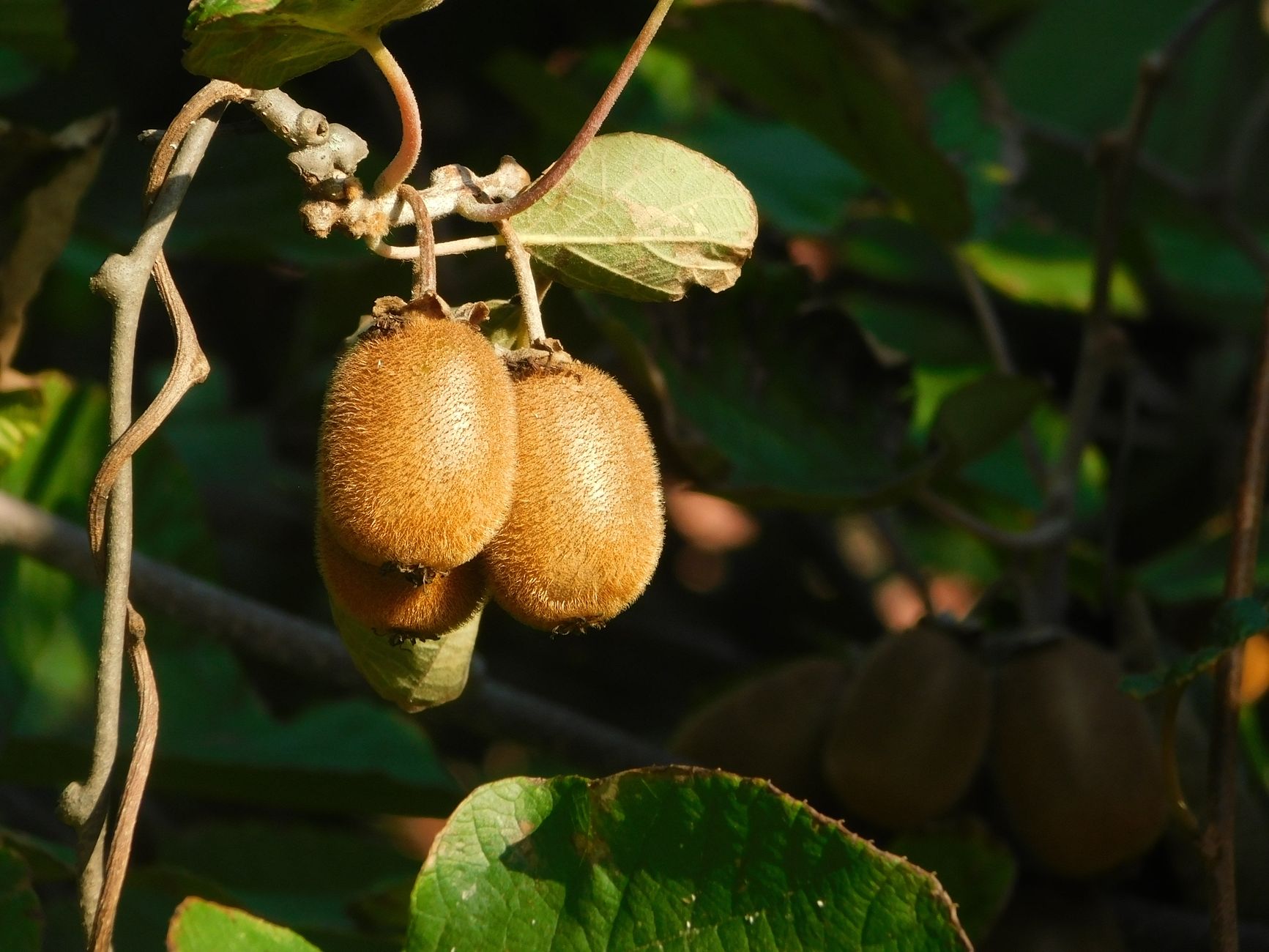
Kiwis, known for their vibrant green flesh and distinct flavor, are a favorite among fruit lovers. With their sweet-tart taste and numerous health benefits, kiwis are versatile and can be enjoyed in various culinary applications. But where do these delightful fruits grow, and what do you need to know about their production and uses? Let’s explore the origins, growing regions, and kitchen applications of kiwis.
In this article, we will dive into the world of kiwis, uncovering their growth conditions, major producing countries, and how to utilize them in your cooking. Whether you’re looking to incorporate kiwis into your meals or simply curious about their journey from vine to table, we’ve got you covered.
Where Do Kiwis Grow?
Kiwis grow in temperate regions across the globe, thriving in well-drained soil with adequate moisture and a sunny climate. Originally cultivated in China, kiwis are now primarily produced in New Zealand, Italy, Iran, and Greece. Each of these regions has its unique climate and soil conditions that contribute to the flavor and quality of the fruit.
Let’s break down the key growing regions:
New Zealand
New Zealand is perhaps the most well-known producer of kiwis, particularly the Hayward variety. The country’s temperate climate, with warm summers and cool winters, along with fertile soil, creates ideal conditions for kiwi cultivation. Most New Zealand kiwis are exported, especially to countries like the United States and Japan.
Italy
Italy is another leading producer of kiwis, especially the Hayward variety, which was introduced to the country in the 1970s. The regions of Lazio and Emilia-Romagna play a central role in kiwi production, thanks to their favorable climate and rich soil. Italian kiwis are known for their high sugar content and are often sought after in European markets.
Iran
Iran has seen a significant increase in kiwi production over the last few decades. The country’s diverse climate allows for kiwi cultivation in several provinces, including Gilan and Mazandaran. As the local kiwi industry expands, Iranian kiwis are becoming more prominent in international markets.
Greece
Greece has also established itself as a kiwi-producing country, particularly on the island of Crete and in regions with a Mediterranean climate. The rich soil and adequate precipitation support successful kiwi growth, and the country exports a good portion of its harvest.
The Growing Process of Kiwis
The kiwi plant, scientifically known as Actinidia deliciosa, is a vigorous climbing vine that can grow up to 30 feet tall. The growing process involves several key steps:
Planting
Kiwis are typically planted in the spring after the last frost. The plants prefer well-drained soil with a pH of around 6 to 6.5. It’s essential to plant them in a location that receives full sun and has access to trellises or support structures for growth.
Watering and Fertilizing
Kiwi vines require consistent moisture but can be sensitive to waterlogging. Regular watering during dry spells is important for fruit development. Fertilizers rich in potassium and phosphorus are recommended during the growing season to support healthy growth and fruit production.
Pruning
Pruning kiwifruit vines is essential for shaping the plant and promoting air circulation, which helps prevent disease. It’s typically done during the winter when the vine is dormant. Removing excess growth encourages light penetration and helps the plant focus its energy on producing fruit.
Pest and Disease Management
Common pests that affect kiwi plants include aphids, thrips, and spider mites. Regular monitoring and the use of organic pest control methods can help manage these issues. Diseases such as downy mildew and root rot can also affect kiwis, so maintaining proper watering practices and healthy soil conditions is crucial.
Harvesting
Kiwi fruit usually matures late in the growing season. To determine the right time for harvesting, check for firmness and taste; kiwis should be slightly soft when gently squeezed. Harvesting is done by hand, and care should be taken not to bruise the fruit.
Kiwis in the Kitchen: Culinary Uses and Recipes
Incorporating kiwis into your culinary repertoire can elevate your dishes, adding a unique flavor profile and bright color. Here are some creative ways to use kiwis in the kitchen:
Fresh Consumption
Kiwi fruit can be eaten raw, making a healthy snack. Simply peel the fruit and slice it into rounds or wedges. Fresh kiwis can also be used in fruit salads, smoothies, and yogurt parfaits, lending a refreshing tang to the mix.
Salads
Kiwi adds a lovely tartness to salads. Consider making a tropical fruit salad with kiwi, pineapple, banana, and mango, or adding sliced kiwi to a green salad with spinach, avocado, and a citrus vinaigrette. The contrast in flavors and textures is delightful.
Desserts
Kiwi can be used in various desserts ranging from tarts to sorbets. Try making a kiwi crumble, where diced kiwi is baked with oats and nuts, or a refreshing kiwi sorbet that showcases the fruit’s natural sweetness. Kiwi can also serve as a topping for cakes and cupcakes.
Drinks
Kiwi is a fantastic addition to cocktails and smoothies. Its vibrant flavor can complement other fruits and spirits. Blend kiwi with spinach, banana, and coconut water for a refreshing smoothie, or muddle kiwi in cocktails for a tropical twist.
Cooking with Kiwis
Cooking kiwis can create marvelous flavor profiles. Use kiwi in sauces and marinades to enhance meat dishes. Its acidity can help tenderize the meat and add a touch of sweetness. A kiwi barbecue sauce made with soy sauce, ginger, and garlic can be perfect for grilled chicken or pork.
Chutneys and Salsas
Kiwi can also be used to make chutneys and salsas. Combine diced kiwi with tomatoes, onions, jalapeños, and lime juice for a zesty salsa that pairs well with grilled fish or chicken. Alternatively, a sweet and tangy kiwi chutney can be served alongside curries or meats.
Nutritional Benefits of Kiwis
Alongside their delicious taste, kiwis are packed with nutrients. They are rich in vitamin C, vitamin K, vitamin E, and dietary fiber, making them an excellent choice for a healthy diet. The antioxidants found in kiwis can support overall health and boost the immune system.
Moreover, kiwis are low in calories, which makes them a great option for those watching their weight. Their fiber content aids digestion and can help promote feelings of fullness, making them a beneficial addition to meals.
Buying and Storing Kiwis
When purchasing kiwis, look for fruits that are firm but yield slightly to pressure, indicating ripeness. The skin should be free of bruises and blemishes. If you buy firm kiwis, they can ripen at room temperature and will be ready to eat in a few days.
Once ripe, kiwis can be stored in the refrigerator for about a week. To maximize freshness, place them in a perforated plastic bag. If you want to store kiwis for a longer period, consider freezing them. Just peel, slice, and freeze in an airtight container or freezer bag.
Common Mistakes and Tips
Here are some common mistakes people make when buying, storing, or preparing kiwis, along with tips for success:
- Not checking for ripeness: Always squeeze the kiwi gently to check for ripeness.
- Storing at room temperature for too long: Once ripe, kiwis should be refrigerated to maintain freshness.
- Overcooking: When used in cooking, avoid overcooking kiwis, as they can turn mushy and lose their vibrant flavor.
Conclusion
Kiwis are a delicious and nutritious fruit that can elevate your meals with their unique flavor and vibrant color. Understanding where kiwis grow and how to effectively use them in your kitchen can help you make the most of this delightful fruit. Whether you enjoy them fresh, in salads, or blended into drinks, kiwis are sure to bring joy to your culinary creations.
If you’re interested in further enhancing your cooking skills or exploring new ingredients, consider diving into more articles on our site that cover recipe ideas, cooking tips, and ingredient guides. Your culinary adventure awaits!