
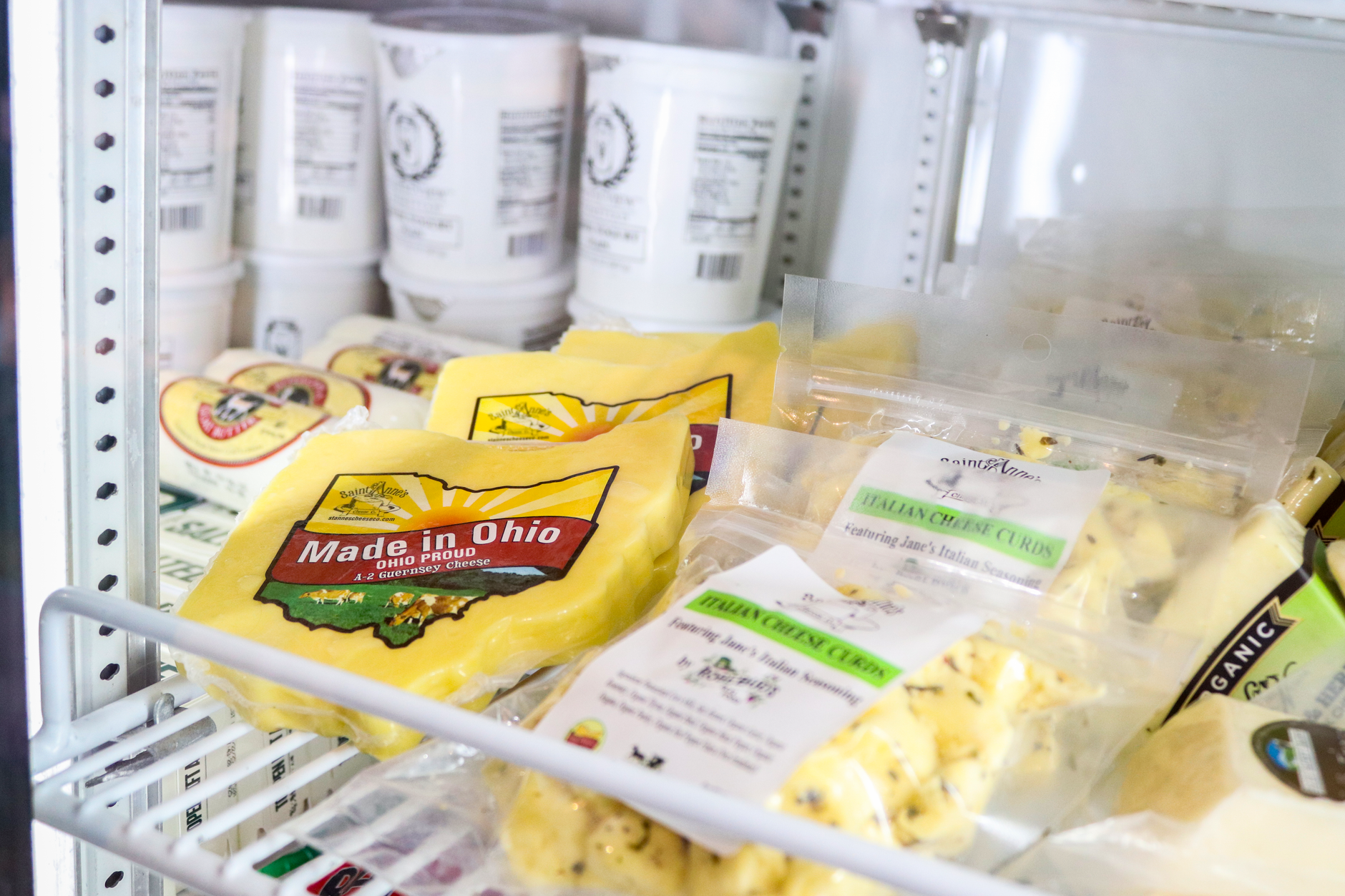
Cheese is a versatile and beloved ingredient found in many kitchens, enhancing everything from simple sandwiches to elaborate gourmet dishes. Understanding how long cheese lasts in the fridge is crucial to maximizing its flavor and ensuring food safety.
In this guide, we’ll explore how long different types of cheese are good for in the fridge, how to store them properly, signs of spoilage, and tips to extend their life. By following these guidelines, you can enjoy your cheese without worry.
How Long Is Cheese Good for in the Fridge?
Generally, most cheeses can last from a few days to several months in the fridge, depending on the type. Soft cheeses like ricotta typically last about one week, while hard cheeses like parmesan can last up to six months or even longer if stored correctly.
Types of Cheese and Their Shelf Life
There’s a wide variety of cheese available, and each type has a unique shelf life. Below is a breakdown of common cheese types and their typical storage duration in the fridge.
Soft Cheeses
- Ricotta: 1 week after opening.
- Cottage Cheese: 1-2 weeks after opening; refer to this detailed guide for more information.
- Cream Cheese: 1-2 weeks after opening.
- Brie: 1-2 weeks after opening.
Semisoft Cheeses
- Gouda: 2-3 weeks after opening.
- Havarti: 2-3 weeks after opening.
- Munster: 2-3 weeks after opening.
Hard Cheeses
- Parmesan: 6-12 months when wrapped properly and refrigerated.
- Cheddar: 6 months after opening; can last longer if properly stored.
- Pecorino Romano: 6 months after opening.
Blue Cheeses
- Roquefort: 3-4 weeks after opening.
- Stilton: 3-4 weeks after opening.
Processed Cheeses
- American Cheese: 1-2 months after opening.
- Velveeta: 3-4 months after opening.
Proper Storage Techniques for Cheese
Proper storage is essential in extending the shelf life of cheese. Here are some essential tips for storing various types of cheese:
For Soft Cheeses
- Keep them in their original packaging or transfer them to an airtight container.
- Wrap cheese tightly in plastic wrap or foil to prevent moisture loss.
- Store in the coldest part of the fridge, usually at the back.
For Semisoft and Hard Cheeses
- Wrap cheese in parchment paper or wax paper first, followed by plastic wrap or foil to keep moisture balanced.
- Avoid wrapping in just plastic, as this can trap moisture and lead to mold.
- Use a specialized cheese storage container if possible, which can regulate humidity.
For Processed Cheeses
- Keep in original packaging until use, and reseal tightly after opening.
- If you have sliced cheese, store it between sheets of wax paper to prevent sticking.
Signs of Spoilage in Cheese
It’s essential to recognize when cheese has gone bad. Here are some signs to watch for:
- Off Smells: Fresh cheese should have a pleasant, tangy scent. Any overwhelming or putrid odor is a sign of spoilage.
- Visible Mold: While some cheeses, like blue cheese, have specific molds, unwanted mold on soft cheeses is a sign they should be discarded, especially if the mold appears in soft cheeses like ricotta.
- Texture Changes: If the texture becomes excessively slimy or gritty, the cheese is likely spoiled.
- Flavor: A sour or off taste can indicate the cheese has gone bad. Always trust your taste buds.
Tips to Extend the Shelf Life of Cheese
To maximize the longevity of your cheese, consider these helpful tips:
- Purchase smaller quantities: If you don’t consume cheese regularly, buying in smaller amounts can ensure you finish it before spoilage occurs.
- Freeze cheese: Many cheeses freeze well. Grate hard cheeses before freezing for easier later use, while soft cheeses can be frozen in airtight containers but may change texture.
- Keep cheese for cooking: If you have cheese that’s nearing the end of its lifespan, consider using it in cooked dishes such as sauces or baked recipes.
How to Safely Thaw Frozen Cheese
When you decide to freeze cheese, doing so safely helps maintain its quality. Here’s how to thaw frozen cheese:
- Transfer the cheese from the freezer to the refrigerator to thaw slowly. This method will help retain moisture and texture.
- For faster thawing, place the cheese in a sealed plastic bag and submerge it in cold water for about 30 minutes.
- Do not use a microwave to thaw cheese, as it can cause uneven heating and texture changes.
Common Mistakes When Storing Cheese
There are several common pitfalls to avoid when storing cheese:
- Using plastic wrap alone: This traps moisture and promotes mold. Always wrap in parchment or wax paper first.
- Keeping cheese in the fridge door: The door has fluctuating temperatures and can affect cheese quality. Store it in the main compartment instead.
- Neglecting to check moisture levels: Cheese can dry out; ensure it stays wrapped and covered adequately to maintain its texture.
How Different Types of Cheese Are Used in Cooking
Understanding how cheese works in a variety of dishes can provide insight into its culinary value:
Soft Cheeses
Soft cheeses like cream cheese and ricotta are excellent for spreads, dips, and baking. They add moisture and creaminess to dishes such as cheesecakes or pasta fillings.
Semisoft Cheeses
Semisoft cheeses like Gouda and Havarti are great for melting and pair well with fruits and nuts on charcuterie boards. They’re also excellent add-ins for sandwiches and salads.
Hard Cheeses
Hard cheeses like Parmesan are essential for grating over pastas or salads, while Cheddar is perfect for melting in mac-and-cheese and soups. These cheeses have a strong flavor and hold up in cooking processes.
Processed Cheeses
Processed cheeses melt smoothly, making them ideal for burgers, sandwiches, and cheese sauces. They offer convenience but may contain additives that affect their flavor and texture.
Pairing Cheese with Food and Drinks
Knowing what foods or drinks to pair with cheese can enhance your culinary experience. Here are some classic combinations:
- Wine: Pair soft cheeses like Brie with Champagne for a delightful contrast, while robust hard cheeses like aged Cheddar go well with bold red wines.
- Fruits: Fresh figs or pears work beautifully with blue cheese, whereas apples and sharp cheddar provide a complementary balance.
- Nuts: Almonds and walnuts are fantastic choices to pair with creamy cheeses.
Conclusion
Understanding how to store and properly handle cheese can significantly enhance its shelf life and quality. By knowing how long different types last in the fridge and adopting proper storage techniques, you can enjoy this delicious ingredient in various dishes. Keep a keen eye on signs of spoilage to ensure the safety and enjoyment of your cheese.
For more insights into dairy products, consider reading about cottage cheese shelf life or try a cottage cheese flatbread recipe for a delightful cooking experience.