
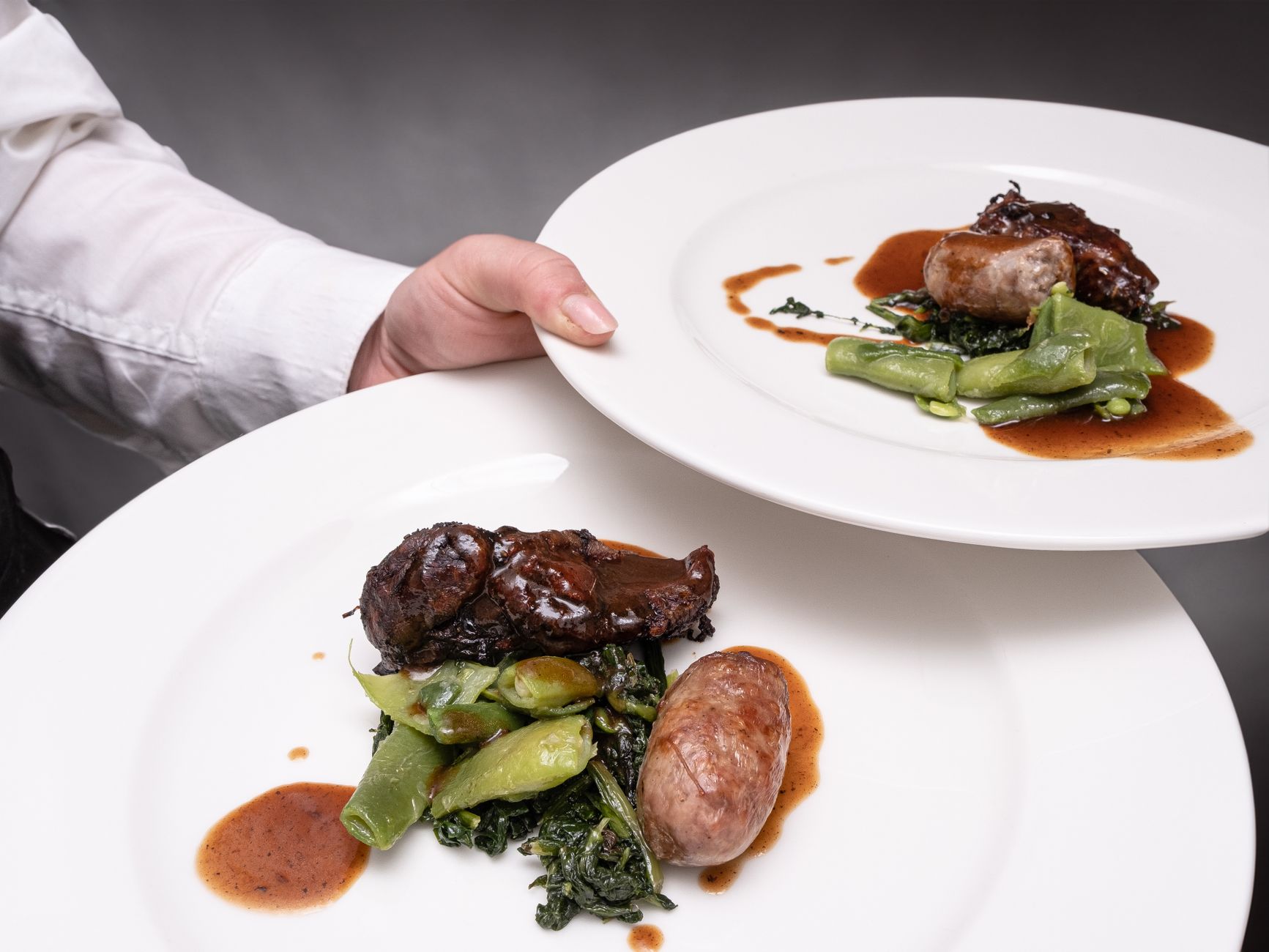
An entrée is a dish served as the main course of a meal, typically following an appetizer. It is often the centerpiece of a dining experience, focusing on bold flavors and substantial ingredients. This article explores what constitutes an entrée, including its typical ingredients, flavor profiles, and best practices for serving.
Understanding the concept of an entrée helps to make better dining choices, whether at home or in a restaurant. Let’s delve into various aspects, including classic examples, preparation methods, and tips for creating well-rounded entrees.
What Is an Entree?
In culinary terms, an entrée is a significant dish that marks the main focus of a meal. It can encompass a wide array of cuisines and styles, generally rich in flavor and satisfying in portion. Traditionally in French cuisine, the word “entrée” refers to something that enters the meal, typically served before the main course. However, in contemporary dining, particularly in the United States, it’s adapted to mean the primary dish itself.
The Anatomy of an Entree
Entrees can vary significantly between cultures and personal preferences, but certain elements are commonly found across various types.
Ingredients
- Proteins: Common choices for the entrée include meats such as chicken, beef, pork, and seafood. Vegetarian options may include legumes, tofu, or seitan.
- Starches: Many entrees are accompanied by starches such as rice, pasta, or potatoes, which help to round out the meal and add texture.
- Vegetables: Fresh or cooked vegetables are often included, either as sides or integral components of the dish, providing balance and nutritional value.
- Sauces: Sauces enhance flavors and add moisture to entrees. Examples include gravies, reductions, and marinades.
- Herbs and Spices: Seasoning is crucial. Fresh herbs, like basil or cilantro, and spices like cumin or paprika help define the dish’s unique flavors.
Flavor Profiles
Flavor is central to the experience of an entrée. Here are some of the common profiles you might encounter:
- Savory: Most entrees aim for a savory profile enhanced by various seasoning techniques, such as browning the protein, using aromatics like garlic and onions, and deglazing with wine or stock.
- Spicy: In many cuisines, heat is added through chilies and spices, such as in spicy curries or pepper-infused sauces.
- Sweet: Some entrees might incorporate a hint of sweetness, often through glazes or side components like caramelized vegetables.
- Umami: Ingredients like soy sauce, mushrooms, or cured meats amplify the umami flavor, making dishes more satisfying.
How to Serve an Entree
Serving an entrée well can elevate the dining experience. Here are some practical tips:
- Presentation: Consider plating techniques that emphasize the colors and textures of the food. Use garnishes like herbs or microgreens for added visual appeal.
- Temperature: Ensure that the entrée is served at the appropriate temperature. Meats should be served hot, while cold dishes should remain chilled.
- Accompaniments: Pair your entrée with appropriate sides. These might include salads, bread, or complementary sauces that enhance the overall flavor.
Popular Entree Examples
Understanding popular entrée dishes can provide insight into what makes a dish a successful main course. Here are several examples across different cuisines:
Italian Cuisine
Italian entrees often emphasize fresh ingredients and simple preparation.
Two well-loved examples include:
- Chicken Fettuccine: A creamy sauce made from Parmesan cheese, butter, and cream tossed with fettuccine pasta can be a hearty choice.
- Eggplant Parmesan: Layers of breaded and fried eggplant, marinara sauce, and mozzarella cheese baked to perfection.
American Cuisine
In American cuisine, entrees often reflect regional influences. Here are classics:
- Philly Cheesesteak Casserole: This dish includes layers of sautéed beef, peppers, onions, and melted cheese over pasta or potatoes.
- Grilled Steak: Perfectly grilled steak seasoned with herbs, served with a baking potato and seasonal vegetables.
Asian Cuisine
Asian flavors integrate sweetness, savoriness, and heat. Some popular examples include:
- Thai Green Curry: A blend of coconut milk with fresh vegetables and meat or tofu, served with jasmine rice.
- Sushi Rolls: While they can be considered appetizers, larger rolls served with teriyaki sauce can also function as an entrée.
Cooking Techniques for Entrees
Different cooking techniques yield different flavors and textures in entrees. Some popular techniques include:
Grilling
Grilling imparts a smoky flavor that enhances meats and vegetables. It’s excellent for steaks, chicken, and veggies. Here are some tips:
- Preheat the grill to high heat for searing.
- Use marinades to enhance flavor and moisture retention.
- Turn the protein only once to allow for proper caramelization.
Baking
Baking is a healthier cooking method suitable for both meats and vegetarian dishes. Key points include:
- Ensure even cooking by using appropriate pans.
- Season before baking to enhance flavors.
- Use a thermometer for meat to ensure it reaches safe internal temperatures.
Sautéing
Sautéing allows for quick cooking with high heat and minimal oil. Ideal for:
- Vegetables, which can become tender-crisp quickly.
- Small cuts of meat that can absorb seasoning rapidly.
- Be cautious of overcooking and ensure to deglaze to retain flavor.
Common Mistakes to Avoid
When preparing entrees, several common pitfalls can undermine the final dish. Here are some to be aware of:
- Under-seasoning: Lack of sufficient seasoning can leave an entrée bland. Taste as you cook!
- Overcooking: Meat can become tough and dry if overcooked. Use a thermometer to check doneness.
- Poor Temperature Management: Ensure entrée components are served at the proper temperatures, particularly when combining hot and cold elements.
Ingredient Substitutions for Entrees
Sometimes, recipes require substitutions due to dietary restrictions or availability of ingredients. Here are effective alternatives:
Proteins
- Chicken to Turkey: Both work similarly but may require slight adjustments in cooking time due to turkey’s lower fat content.
- Beef to Lentils: This vegetarian option works well in stews but will change texture and cooking times significantly.
Starches
- White Rice to Quinoa: Quinoa adds protein and a nutty flavor but will alter the cooking process slightly since it requires more water.
- Pasta to Zucchini Noodles: Zoodles are a great low-carb alternative, but will cook much faster than traditional pasta.
Vegetables
- Broccoli to Cauliflower: Both vegetables can be cooked similarly but will yield different flavors; cauliflower has a milder taste.
- Fresh Herbs to Dried: Generally, use one-third of the amount of dried herbs compared to fresh, as they’re more concentrated in flavor.
Meal Planning with Entrees
Integrating entrees into a meal plan can help streamline cooking and ensure balanced nutrition. Here’s how to plan effectively:
Weekly Meal Planning
When planning your meals, consider a rotation of proteins, starches, and vegetables. Here is a practical approach:
- Make a List: Choose a protein (e.g., chicken, beef, tofu) and pair it with a starch (e.g., rice, pasta) and a vegetable.
- Batch Cook: Prepare large portions of your chosen entrees. Cook once and divide into servings for quick reheating.
- Mix and Match: Use leftovers creatively in salads, sandwiches, or wraps to reduce waste and add variety.
Shopping Tips
Effective grocery shopping can optimize your meal planning:
- Buy in Bulk: Purchasing staples like grains or frozen proteins can help save money.
- Fresh vs. Frozen: Fresh vegetables are great but having frozen options on hand can help you mix things up without spoilage.
- Look for Sales: Plan your entrees around what proteins or vegetables are on sale at your local grocery store.
Storing and Reheating Entrees
Proper storage and reheating can enhance the longevity of your meals. Here are guidelines:
Storage
Store leftovers in airtight containers in the refrigerator. Most entrees will last about 3 to 4 days. For longer storage, consider freezing items.
Reheating
When reheating, ensure food reaches a safe internal temperature of 165°F. Use the following methods:
- Microwave: Suitable for small portions, but ensure even heating.
- Oven: Best for larger entrees; cover the dish with foil to maintain moisture.
- Stovetop: Good for sauces and stews. Add a little water to prevent burning.
Conclusion
Understanding what constitutes an entrée, along with knowledge about its ingredients, flavors, and preparation techniques, enables home cooks and food enthusiasts to create memorable meals. By focusing on freshness, taste, and presentation, entrees can be a highlight of any dining experience.
For those looking to experiment in the kitchen, try making a Chicken Fettuccine or a Philly Cheesesteak Casserole for satisfying entrees. Explore related recipes, cooking tips, or food guides for more inspiration!