
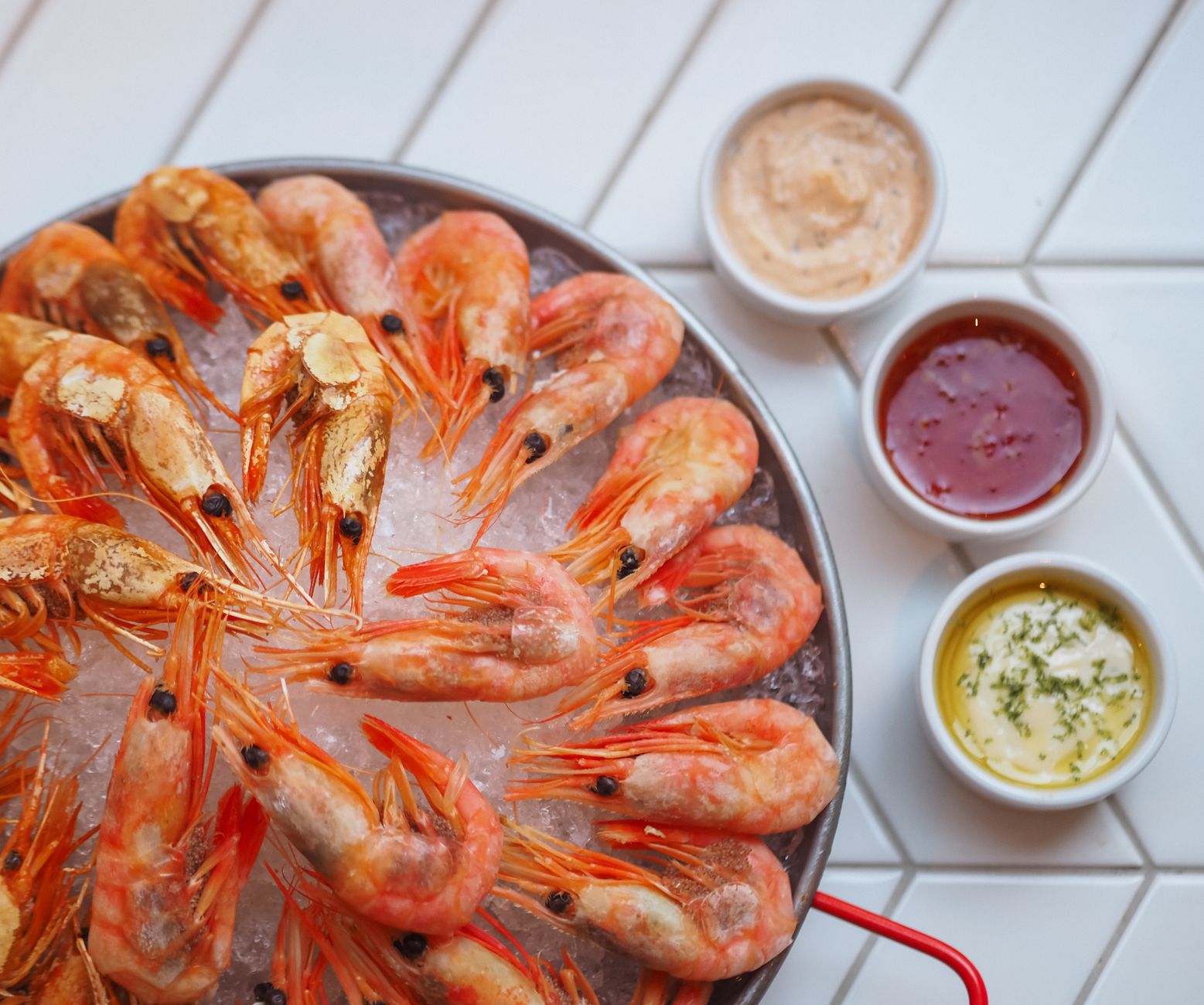
Shrimp is a popular seafood choice known for its versatility and flavor. However, many people wonder about its effects on cholesterol levels. Understanding the relationship between shrimp and cholesterol is crucial for anyone concerned about their heart health. This article explores the nutritional profile of shrimp, its implications for cholesterol, and how it can fit into a balanced diet.
As we delve into the details, we’ll also consider cooking methods, potential health benefits, and ways to enjoy shrimp in various recipes. Whether you are a shrimp lover or a discerning eater, this guide provides valuable insights into incorporating this seafood into your meals responsibly.
Is Shrimp Bad for Cholesterol?
While shrimp is high in cholesterol, it is low in saturated fat, which is the more significant contributor to raising cholesterol levels. Moderate consumption of shrimp can fit into a healthy diet, especially when paired with other heart-friendly foods.
Nutritional Profile of Shrimp
Shrimp is not only a delicacy but also offers several nutritional benefits. Here’s a closer look at what makes shrimp a popular choice for many:
- Protein: Shrimp is an excellent source of high-quality protein, providing around 24 grams in a 3-ounce serving.
- Low in Calories: A 3-ounce serving has approximately 84 calories, making shrimp a low-calorie protein option.
- Vitamins and Minerals: Shrimp contains essential nutrients, including vitamin B12, iodine, phosphorus, and selenium.
- Omega-3 Fatty Acids: While lower than some fatty fish, shrimp still offers omega-3 fats that are beneficial for heart health.
Shrimp and Cholesterol: What You Need to Know
Shrimp does have a relatively high cholesterol content, with about 166 mg of cholesterol per 3-ounce serving. Here’s how it compares to other protein sources:
| Protein Source | Cholesterol (mg per 3 oz) |
|---|---|
| Shrimp | 166 |
| Beef | 80-90 |
| Pork | 70-90 |
| Chicken Breast | 70-80 |
| Salmon | 60-70 |
Despite its high cholesterol content, research suggests that dietary cholesterol does not have the same negative impact on blood cholesterol as saturated and trans fats. Most individuals can moderate their cholesterol intake through a balanced diet.
Cholesterol: The Good, the Bad, and the Role of Diet
There are two primary types of cholesterol: low-density lipoprotein (LDL) and high-density lipoprotein (HDL). LDL is often referred to as “bad” cholesterol, while HDL is considered “good” cholesterol. Here’s how diet, including shrimp consumption, plays its part:
- LDL Cholesterol: Elevated levels of LDL cholesterol can lead to plaque buildup in arteries, increasing the risk of heart disease.
- HDL Cholesterol: Higher levels of HDL cholesterol help remove LDL cholesterol from the bloodstream, thus offering a protective effect.
Dietary choices matter for maintaining a healthy cholesterol balance. Foods high in saturated fats can raise LDL levels, while a diet rich in fruits, vegetables, whole grains, and healthy fats can help improve cholesterol profiles.
Cooking Methods That Impact Cholesterol
The way shrimp is cooked can significantly affect its healthfulness and cholesterol impact. Here are some common cooking methods and their considerations:
1. Boiling or Steaming
Boiling or steaming shrimp is perhaps the healthiest cooking method. It requires no added fats, making it a great option for those watching their cholesterol. These methods can also help retain the natural flavors of shrimp.
2. Grilling or Roasting
Grilling shrimp adds a smoky flavor without the need for much oil. When marinated with heart-healthy fats such as olive oil, grilled shrimp can be both delicious and heart-friendly.
3. Fried Shrimp
Fried shrimp is a popular but less healthy option. The oil used for frying adds extra calories and saturated fats, which can negatively impact cholesterol levels. If you enjoy fried shrimp, consider using healthier oils like avocado or olive oil in moderation.
Health Benefits of Eating Shrimp
Besides its challenging relationship with cholesterol, shrimp offers some notable health benefits:
- Supports Muscle Growth: The high protein content helps build and repair tissues, making shrimp beneficial for active individuals.
- Promotes Healthy Skin: Shrimp is rich in astaxanthin, a powerful antioxidant that may provide skin protection.
- Improves Heart Health: The omega-3 fatty acids, along with its low saturated fat content, make shrimp a heart-healthy choice.
- Boosts Eye Health: Antioxidants in shrimp may support eye health by preventing age-related diseases.
How to Incorporate Shrimp into Your Diet
When looking to include shrimp in your diet, moderation is key. Here are some practical tips for incorporating shrimp while keeping cholesterol in check:
- Pair shrimp with fiber-rich vegetables and whole grains to create a balanced meal.
- Limit high-fat sauces and dressings when serving shrimp—opt for lemon juice, herbs, or a light vinaigrette instead.
- Incorporate shrimp into salads, stir-fries, or soups to increase vegetable intake along with protein.
- Consider shrimp as an occasional treat rather than a daily staple to balance diet variety.
Delicious Shrimp Recipes
To inspire your healthy cooking, here are some shrimp recipes that can help you enjoy this seafood while keeping health in mind:
Creamy Coconut Shrimp
This recipe features shrimp in a light coconut sauce, ideal for pairing with brown rice or quinoa.
- Yield: 4 servings
- Preparation Time: 10 minutes
- Cooking Time: 20 minutes
- Total Time: 30 minutes
Ingredients:
- 1 pound shrimp, peeled and deveined
- 1 can (13.5 oz) coconut milk
- 2 tablespoons olive oil
- 2 cloves garlic, minced
- 1 teaspoon ginger, minced
- 1 tablespoon lime juice
- Salt and pepper to taste
- Chopped cilantro for garnish
Method:
- In a large skillet, heat olive oil over medium heat. Add garlic and ginger, cooking until fragrant.
- Add shrimp to the skillet and cook until pink and slightly opaque, about 3-4 minutes.
- Pour in the coconut milk and stir to combine. Allow to simmer for about 5 minutes.
- Stir in lime juice, and season with salt and pepper to taste.
- Serve over rice or quinoa and garnish with chopped cilantro.
Shrimp Egg Rolls
These shrimp egg rolls are a crunchy and satisfying treat that can fit into a healthy meal plan.
- Yield: 10 rolls
- Preparation Time: 15 minutes
- Cooking Time: 15 minutes
- Total Time: 30 minutes
Ingredients:
- 1 pound shrimp, chopped
- 2 cups mixed vegetables (carrots, cabbage, bell peppers)
- 1 teaspoon soy sauce or tamari
- 1 teaspoon sesame oil
- 10 egg roll wrappers
- Cooking spray or oil for frying
Method:
- In a large mixing bowl, combine chopped shrimp, vegetables, soy sauce, and sesame oil.
- Place a tablespoon of the filling in the center of each egg roll wrapper, folding it according to package instructions.
- Heat oil in a pan or oven to 375°F (190°C). Fry the egg rolls until golden brown and crispy, about 3-4 minutes per side.
- Alternatively, spray egg rolls with cooking spray and bake in the oven for about 20 minutes, turning halfway through.
Common Mistakes When Cooking Shrimp
Even seasoned cooks can encounter issues when cooking shrimp. Here are some common pitfalls to avoid:
- Overcooking: Shrimp cooks quickly. Overcooked shrimp becomes tough and rubbery. Aim for a pale pink color and slightly opaque texture.
- Not Enough Seasoning: Shrimp has a delicate flavor that benefits from properly seasoning. Don’t be afraid to enhance with spices and herbs.
- Skipping Quality Control: Select fresh shrimp when possible. Check for a slight ocean scent, firm texture, and avoid any discoloration or off smells.
Storage and Reheating
Shrimp can be stored and reheated safely, but proper techniques ensure quality and safety:
- Store cooked shrimp in an airtight container in the refrigerator for up to 3 days.
- Reheat shrimp gently on the stove or in the microwave until heated through, avoiding overcooking.
- For frozen shrimp, thaw in the refrigerator overnight before cooking or using in recipes.
Final Thoughts on Shrimp and Cholesterol
In moderation, shrimp can be a healthy addition to your diet. While it contains cholesterol, the overall nutritional profile of shrimp makes it a suitable choice for many. By focusing on healthy cooking methods and balanced meals, shrimp can delight the palate without compromising heart health.
Consider trying your hand at dishes like Creamy Coconut Shrimp or Shrimp Egg Rolls. Exploring diverse recipes not only keeps meals interesting but also helps maintain a balanced approach to your diet.