
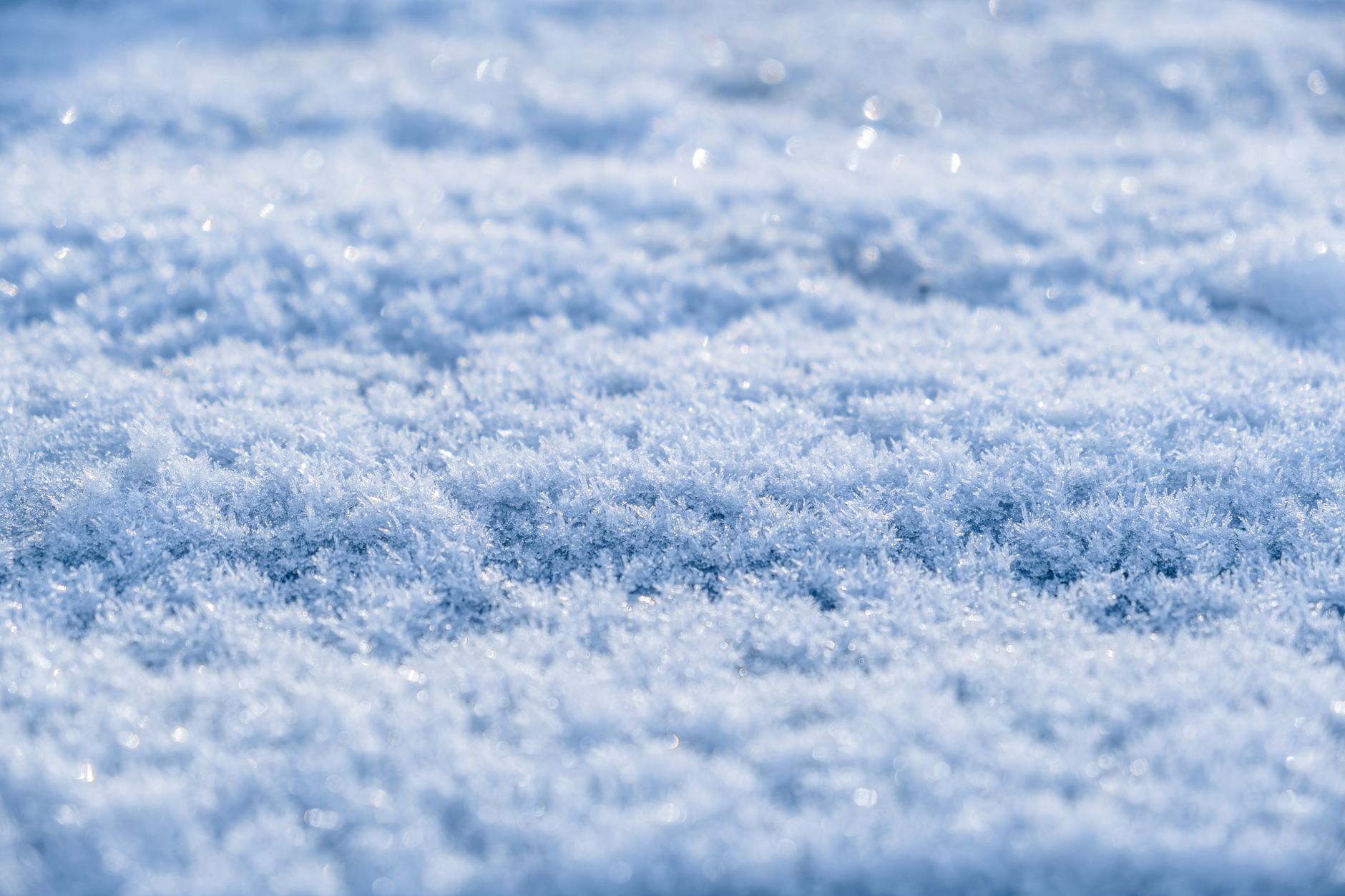
When winter blankets the landscape with its pristine snow, many wonder whether it is safe to eat. Snow often sparks curiosity, especially for those wanting to enjoy a taste of the outdoors while building snowmen or engaging in playful snowball fights. However, before you scoop up a handful, understanding the food safety implications is crucial.
This article delves into whether snow is safe to eat, explores the factors that affect its safety, offers guidance on preparing it, and shares tips for serving snow-based treats. Let’s explore the snowy question: Is snow safe to eat?
Is Snow Safe to Eat?
In general, eating clean, fresh snow is safe in small amounts, assuming you take precautions. However, snow can carry pollutants and bacteria, which could pose health risks if ingested in large quantities or if the snow is dirty. Therefore, knowing when and how to safely consume snow is essential.
Factors Affecting the Safety of Snow
Several factors influence whether snow is safe to eat, including location, environmental conditions, and time of year. Here are some critical considerations:
1. Pollution and Contaminants
Snow can act as a natural filter, trapping pollutants from the air. If you live near industrial areas, highways, or heavy traffic zones, your snow may contain harmful contaminants. It’s essential to consider the source and quality of the snow.
2. Bacteria and Microorganisms
Snow can harbor bacteria and microorganisms from the environment. Factors such as animals walking through snow, melting snow, or loose particles can introduce potential pathogens that might be harmful if ingested.
3. Seasonal Conditions
Fresh snow that falls during the winter months tends to be purer than snow that has been on the ground for an extended period. Additionally, snow that falls during heavy storms may be less contaminated than snow from dry spells when pollutants can settle in the air.
4. Location
Snow in rural areas with minimal human or animal activity may be safer than snow in urban environments where contaminants are more prevalent. Always consider where the snow has fallen—clean open fields or forests may yield safer snow than urban streets.
How to Prepare Snow Safely
If you decide to eat snow, consider these steps to ensure it’s as safe as possible:
1. Choose the Right Snow
Select fresh, white snow that has fallen recently. Avoid snow that appears gray or dirty, as this can indicate contamination. If the snow has been trampled on or is mixed with debris, it’s best to avoid it.
2. Collect Snow Strategically
When collecting snow, aim to scoop it from clean areas away from roads, sidewalks, or animal trails. Children and pets can introduce unknown contaminants, so try to gather snow from untouched areas if possible.
3. Rinse Before Consumption
Rinsing snow in clean water can help remove any surface contaminants. Place snow in a clean container, then gently rinse it with cold tap water to wash away potential pollutants. Drain excess water before consuming.
4. Limit Quantity
While small amounts of clean snow can be safe, avoid consuming large quantities. Snow is mostly made of water, so overeating snow may cause discomfort or lead to a drop in body temperature when combined with its coldness.
Creative and Fun Ways to Use Snow
If you’re feeling adventurous, you might consider making some snow-based treats! Here are a few fun ideas:
1. Snow Cones
Transform fresh snow into a delightful treat reminiscent of summer’s favorite dessert. To make snow cones:
- Gather clean, white snow in a bowl.
- Prepare flavored syrup by mixing sugar, water, and a few drops of your favorite extracts or syrups (like vanilla, raspberry, or lemon).
- Pour the syrup over snow and enjoy!
2. Flavored Snow
For a more natural flavor, sprinkle fresh snow with natural juices from fruits or flavored extracts. Lemon or orange juice can give your snow a refreshing, zesty taste.
3. Snow Ice Cream
This classic winter treat can be made with just a few ingredients:
- 4 cups fresh, clean snow
- 1 cup milk or non-dairy alternative
- 1/2 cup sugar
- 1 tsp vanilla extract
- Combine milk, sugar, and vanilla extract in a bowl until well mixed.
- Fold in the fresh snow until you achieve a creamy consistency.
- Serve immediately and enjoy!
Common Mistakes When Eating Snow
Avoid these common pitfalls to ensure a safer snow-eating experience:
- Choosing snow that has become discolored or appears contaminated.
- Assuming all snow is safe without considering environmental factors.
- Consumption in excess, which can lead to discomfort or hypothermia.
- Rinsing snow too aggressively, which can lead to the melting of the snow and loss of texture.
Storage and Reheating Guidance
Storing snow may seem impractical, but if you collect snow for snow cones or ice cream, you might want to preserve its quality:
- Store fresh snow in clean, airtight containers in the freezer to prevent contamination.
- Before serving, ensure the snow is safe to eat by considering the cleanliness of the storage container.
- Always prioritize freshness—once snow has melted, consume it promptly or discard it.
When it comes to reheating any remaining snow, it’s best not done. Snow should be enjoyed fresh and in its original icy form to ensure a delightful experience.
Environmental Considerations
With increasing climate changes impacting global weather patterns, environmental concerns also affect snow quality. Here’s what to consider:
1. Climate Change
Warmer winter temperatures and changes in precipitation patterns can affect snow quality and quantity. Snow in some regions can become more contaminated due to increased urban run-off and airborne pollutants. Awareness of these environmental changes can guide your snow consumption choices.
2. Local Wildlife
Animal waste can contaminate snow, especially in areas with high wildlife traffic. Keep this in mind when gathering snow to ensure you’re not unknowingly ingesting harmful substances.
Concluding Thoughts
While eating snow can be a fun and refreshing activity during winter, it’s essential to prioritize safety. By choosing clean and fresh snow, following proper preparation methods, and considering environmental factors, you can enjoy this unique outdoor ingredient safely.
If you’re looking for other tasty treats or seasonal recipes, consider exploring options like making homemade hot chocolate or winter soups to accompany your time outside. Enjoy winter safely and responsibly!