
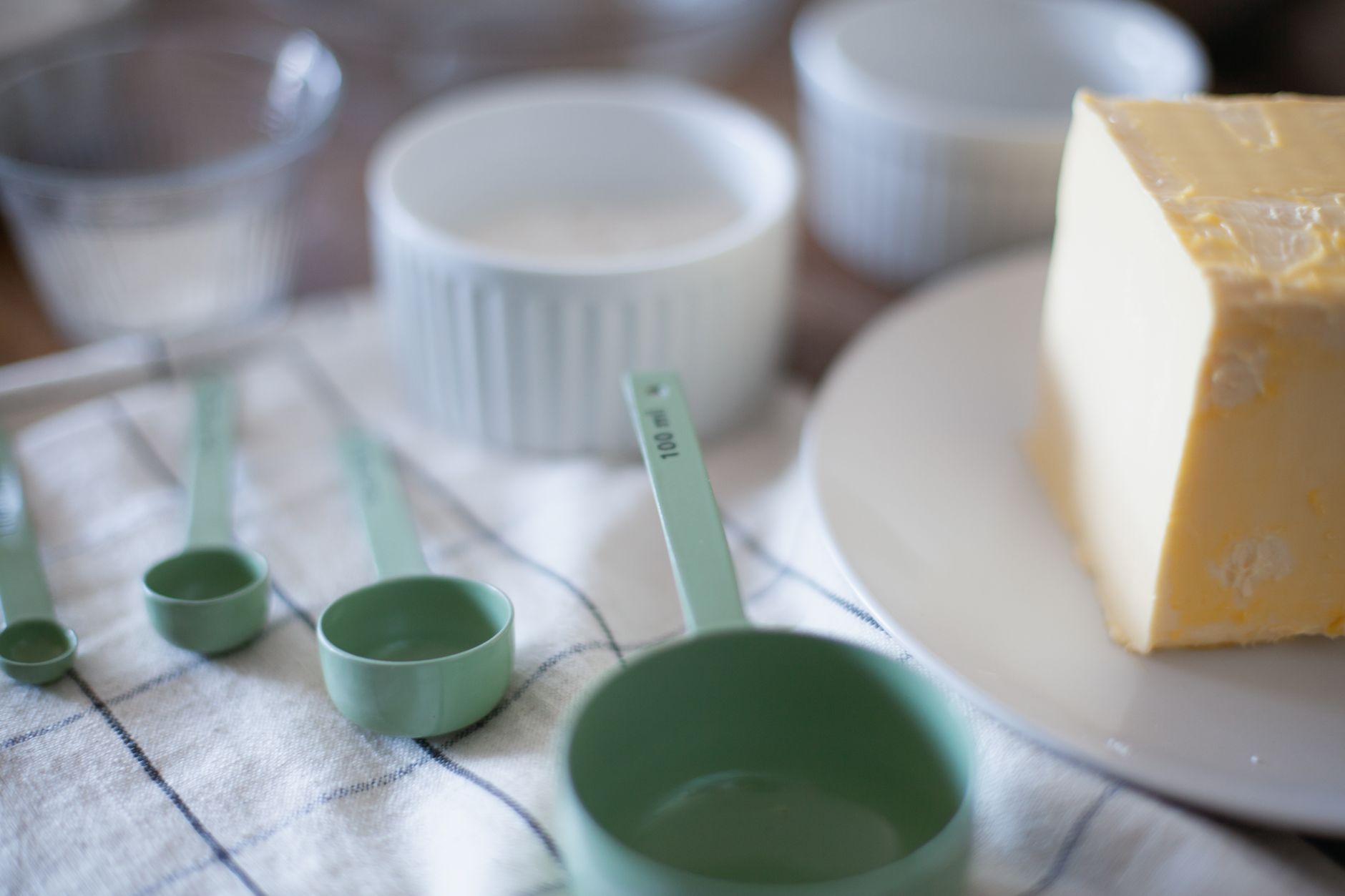
When it comes to cooking and baking, precise measurements are crucial. One common question that arises is, “How much butter is 1/2 cup?” Knowing the exact amount of butter not only aids in achieving the intended flavor and texture but also ensures that your dishes come out just right. This article will dive into various measurements of butter, helpful conversions, and tips for measuring accurately.
Butter serves as a fundamental ingredient in many recipes, contributing richness, moisture, and flavor to everything from cookies to sauces. Understanding how to measure butter can significantly impact the success of your cooking and baking endeavors.
How Much Butter Is 1/2 Cup?
One-half cup of butter translates to 4 ounces or 113 grams. This measurement holds true across various butter types, whether it’s unsalted, salted, or European-style. Depending on your recipe and personal preferences, you may use one of these types of butter interchangeably, although different flavors and salt levels may slightly alter the taste of your dish.
Understanding Butter Measurement
The measurement of butter can be a bit tricky for those unfamiliar with its various forms. Butter typically comes in sticks, blocks, or tubs, and understanding different formats is essential for accurate measurement.
Butter Formats
- Sticks: The most common form, especially in the US, is butter packaged in 4-ounce sticks. Each stick is typically marked with tablespoon measurements, making it easy to cut off exactly what you need.
- Blocks: Some butters come in larger blocks, which can be sliced to the desired measurement. Keep in mind that this format may require a bit more calculation.
- Tubs: Softened butter or spreadable butter is often in tubs. For precise measuring, it is recommended to scoop out and weigh the butter, as the consistency makes it hard to measure by volume accurately.
Measuring Butter Accurately
How you measure your butter can significantly alter a recipe’s outcome. Here are some essential tips for accurate measuring:
Using the Stick Method
If you’re using sticks, measuring is straightforward. Simply cut off the required amount according to the markings on the wrapper. For 1/2 cup, you’d cut off one stick (as it equals 1/2 cup).
Using Weighing Scales
Using a kitchen scale can often provide the most accurate measurement, especially when baking. For 1/2 cup of butter, weigh 113 grams or 4 ounces. This method eliminates errors commonly associated with packing or scooping techniques.
Using the Water Displacement Method
This method is useful when dealing with butter blocks that do not come with measurements. Fill a liquid measuring cup with water to the 1-cup mark. Add the butter until the water level rises to the 1 1/2 cup mark. The amount you added will equal 1/2 cup of butter.
Conversion to Other Measurements
If you frequently need to convert butter measurements, it’s handy to understand some basic conversions. Below are various common conversions for butter:
| Measurement | Ounces | Grams |
|---|---|---|
| 1 tablespoon | 0.5 | 14.2 |
| 1/4 cup | 2 | 56.7 |
| 1/3 cup | 2.67 | 75.7 |
| 1/2 cup | 4 | 113.4 |
| 3/4 cup | 6 | 170.1 |
| 1 cup | 8 | 226.8 |
Substituting Butter in Recipes
While butter is a classic ingredient, there are several substitutes you might use for dietary, health, or flavor reasons. Here are some popular alternatives:
- Marginal Substitute: Margarine can often replace butter in equal measure but may alter the flavor and texture slightly. It’s best to use stick margarine for better results.
- Coconut Oil: Use melted coconut oil in a 1:1 ratio as a dairy-free substitute. Keep in mind that coconut oil has a distinct flavor and may influence the final taste of your dish.
- Vegetable Oil: You can substitute vegetable oil but use a bit less than the amount of butter called for. A good ratio is to use 3/4 cup of vegetable oil for 1 cup of butter.
- Applesauce: For a lower-calorie alternative, use unsweetened applesauce, half the amount of butter called for. This method works better in baked goods but may affect the texture.
- Greek Yogurt: Plain Greek yogurt can substitute butter in a baked recipe. Use a 1:1 ratio for moist results without excess fat.
Common Mistakes When Measuring Butter
Even experienced cooks make mistakes when measuring butter. Here are some pitfalls to avoid:
- Not using the correct measurement type: Always double-check whether your recipe calls for packed butter or melted butter before measuring.
- Using a liquid measuring cup: Butter is typically a solid and should be measured using dry measuring cups to ensure accuracy.
- Not leveling off: When using a dry measuring cup, always level off the excess butter with a knife for an accurate measurement.
- Ignoring temperature: Whether using softened butter for creaming or cold butter for cutting into pastry, understanding the role temperature plays can affect your final dish.
Butter Storage Tips
Storing butter properly will ensure it retains its flavor and quality. Here are some essential storage tips:
- Refrigeration: Butter can typically be stored in the refrigerator for up to four months. Keep it wrapped tightly to minimize exposure to air and contamination.
- Freezing: Butter freezes well and can be stored for up to six months to one year. Make sure to wrap it tightly in foil or freezer bags to prevent freezer burn.
- Room Temperature: If you prefer to use butter at room temperature for easy spreading, store a small amount in a covered butter dish. It can stay at room temperature for up to a week; just ensure that the ambient temperature is not too hot.
Using Butter in Different Recipes
Butter is a versatile ingredient that finds its way into myriad culinary applications. Here’s how to incorporate it into various recipes:
Baking
In baking, butter contributes to a tender texture and rich flavor in cookies, cakes, and pastries. Here, the method of creaming softened butter with sugar introduces air into the mix, which aids in leavening. Additionally, cold butter is often used in recipes for pie crusts or biscuits to create flaky layers.
Cooking
Butter is widely utilized for sautéing and pan-frying due to its rich flavor. Using a combination of butter and oil can increase the smoke point while maintaining flavor. Butter can also be used to finish sauces or dressings, providing a creamy texture.
Confectionery
In confectionery, butter plays a crucial role in candy making, ice creams, and chocolates. Its blend of fat lends a creamy mouthfeel and richness to these sweet treats.
Recipes to Try
Now that you understand how to measure and use butter properly, consider trying these recipes that prominently feature this delicious ingredient:
- Cinnamon Rolls with Heavy Cream – A buttery treat that’s fluffy and delicious.
- Butter Swim Biscuits – Perfect soft biscuits with a rich buttery flavor.
Utilizing precise butter measurements is essential for successful cooking and baking. Understanding how much butter is in 1/2 cup, along with the skills to measure it accurately, opens up a world of culinary possibilities. With this knowledge, you’ll be able to create delicious dishes, from flaky pastries to rich cookies, ensuring your kitchen creations turn out beautifully each time.
Explore related topics to enhance your culinary skills, including cooking techniques and ingredient guides, to further refine your cooking practices.