
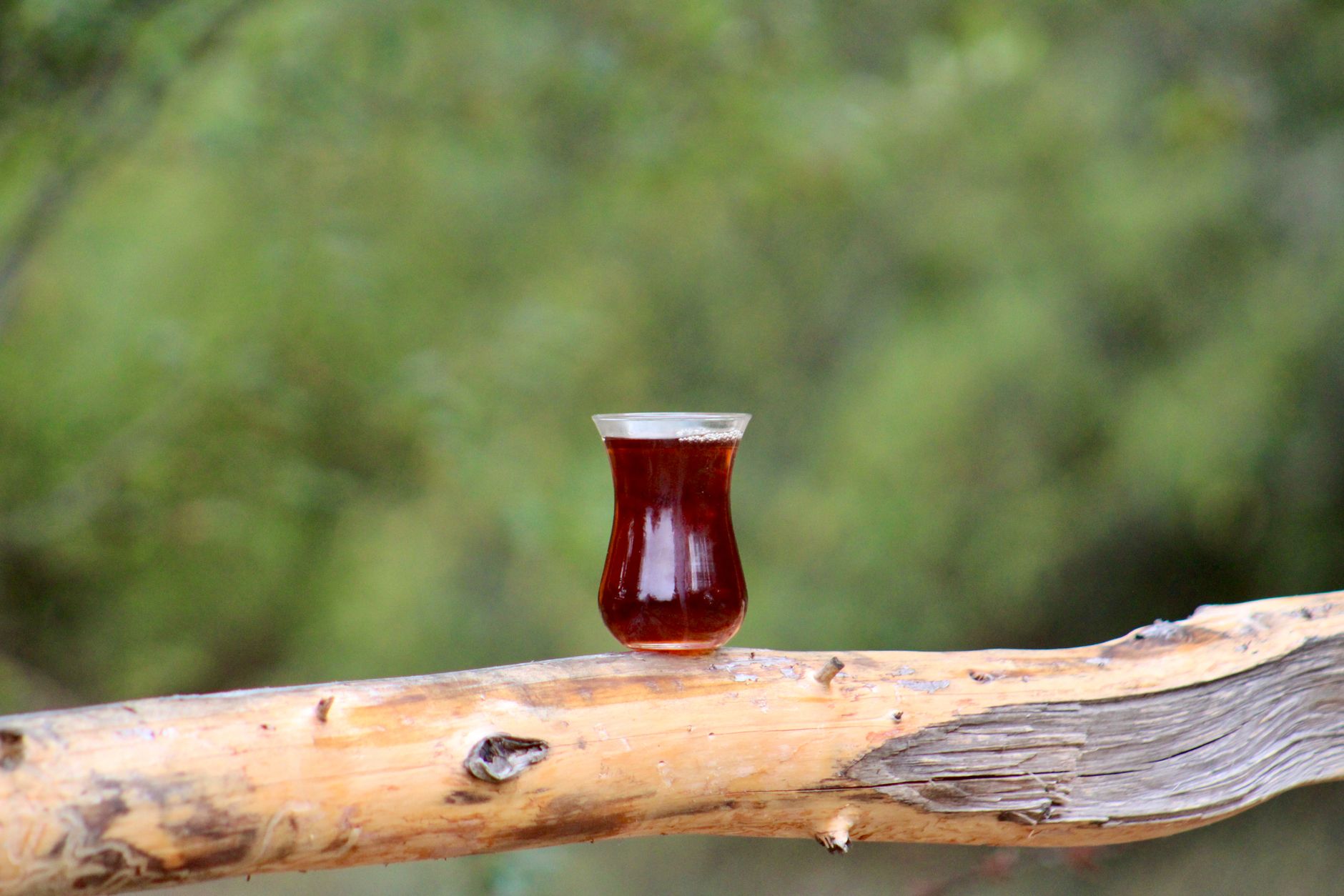
When it comes to hydration, many people instinctively reach for water. However, a common question arises: does tea count as part of our daily water intake? Understanding the hydration potential of tea can help you choose your drinks wisely while enjoying the many flavors and benefits that tea offers.
This article will explore the relationship between tea and hydration, outlining the types of tea that contribute to your water intake and providing practical tips for enjoying a variety of teas throughout the day.
Does Tea Count as Water Intake?
Yes, tea does count as water intake. While it’s primarily composed of water, the effects of caffeine and compounds in tea can also influence hydration. Most studies now agree that tea is a hydrating beverage, and many varieties can contribute significantly to your daily fluid intake.
The Hydration Benefits of Tea
Tea is not only rich in flavor but also packs a variety of health benefits. Here’s how it can contribute to hydration:
- Water Content: The primary ingredient in tea is water—usually making up 95% or more of the beverage. This hydration is effectively equivalent to drinking plain water.
- Mild Caffeine Levels: Although tea contains caffeine, the levels are usually much lower than in coffee. Moderate caffeinated beverages do not significantly increase dehydration. Research shows that caffeine may even have a mild diuretic effect, but it is not strong enough to offset the hydration benefits of tea.
- Electrolyte Balance: Some herbal teas, especially those made with specific fruits and spices, can help balance electrolytes, enhancing hydration.
Types of Tea and Their Hydration Potential
Various types of tea exist, and each can have different effects on hydration. Understanding how different teas contribute to your daily fluid intake can help you choose the best options for your needs.
1. Black Tea
Black tea has a higher caffeine content than other types of tea, typically around 40-70 mg per 8 oz cup. While this does have a slight diuretic effect, the overwhelming water content means that it still counts towards hydration.
2. Green Tea
Green tea boasts antioxidant properties while having moderate caffeine levels, around 20-45 mg per 8 oz. This makes it a refreshing and hydrating choice, with additional health benefits, including improved metabolism.
3. Herbal Tea
Herbal teas, which are technically tisanes, can vary greatly in flavor and composition. They are typically caffeine-free, making them an excellent option for hydration. Options such as chamomile or peppermint provide unique flavors while fully contributing to your water intake.
4. White Tea
White tea is made from young tea leaves and has a delicate flavor. It contains lower caffeine levels (15-30 mg per 8 oz) compared to black and green teas, making it an excellent choice for hydration without the risk of caffeine overload.
5. Oolong Tea
Oolong tea falls between black and green tea in terms of fermentation. It has moderate caffeine levels (30-50 mg per 8 oz). While it can be hydrating, moderation is key for individuals sensitive to caffeine.
How to Increase Tea Consumption for Optimal Hydration
If you’re looking to boost your hydration through tea, here are some practical tips:
- Drink Throughout the Day: Instead of consuming tea all at once, spread your tea drinking across the day. Aim for a cup or two in the morning and additional cups during the afternoon or evening.
- Experiment with Flavors: Explore various types of tea to find what you enjoy most. You can try flavored teas, fruit-infused teas, or blends to keep your palate excited.
- Cold Tea Options: Iced tea can be a refreshing choice in warmer months. Brew your tea, chill it, and enjoy it as a hydrating beverage without added sugars.
- Make Herbal Infusions: Steep fresh herbs, fruits, or spices in hot water for a flavorful infusion that counts toward hydration. Ginger, mint, or lemon can enhance the taste while providing health benefits.
- Tea as a Meal Accompaniment: Pair tea with meals rather than sticking to just water. This can improve your hydration while also complementing flavors.
Common Mistakes When Drinking Tea
While tea can be a significant part of hydration, there are common mistakes that might hinder its benefits:
- Drinking Sugary Teas: Sweetened teas can add extra calories and conditions that may lead to dehydration. Opt for unsweetened varieties or use natural sweeteners sparingly.
- Overconsumption of Black Tea: While black tea is hydrating, excessive consumption can lead to caffeine jitters. Moderation is key.
- Ignoring Quality: Cheap teabags often contain lower-quality leaves, which can affect flavor and health benefits. Choose higher-quality loose-leaf or organic teas whenever possible.
Tea Recipes to Enhance Hydration
Incorporating tea into your diet can be simple and enjoyable. Here are some easy recipes to boost hydration while enjoying tea.
Chai Concentrate
This chai concentrate can be enjoyed hot or iced and offers a wonderful blend of flavors with a hydration-enhancing base.
Yield:
6 cups
Preparation Time:
10 minutes
Cooking Time:
20 minutes
Total Time:
30 minutes
Ingredients:
- 6 cups water
- 6 black tea bags
- 2 cinnamon sticks
- 6 whole cloves
- 5-6 green cardamom pods
- 1 tsp fresh ginger (sliced or grated)
- 1 cup milk (dairy or non-dairy) or milk alternative
- Honey or sugar to taste (optional)
Essential Equipment:
- Large pot
- Strainer
- Measuring cups
Method:
- Bring the water to a boil in a large pot.
- Add the tea bags, cinnamon sticks, cloves, cardamom pods, and ginger. Reduce heat and let it simmer for 20 minutes.
- Strain the mixture into a jug, discarding the solids.
- When ready to serve, reheat the concentrate and add milk. Add honey or sugar if desired.
- Serve hot or over ice for a refreshing iced chai.
Refreshing Mint Tea
A light and invigorating mint tea can help keep you hydrated with a refreshing minty flavor.
Yield:
4 cups
Preparation Time:
5 minutes
Total Time:
5 minutes
Ingredients:
- 4 cups boiling water
- 1 cup fresh mint leaves (or 2-3 bags of mint tea)
- Lemon slices (for garnish, optional)
- Honey or sugar to sweeten, if desired
Method:
- Add fresh mint leaves (or tea bags) to boiling water.
- Let steep for 5-7 minutes, then strain the leaves or remove the tea bags.
- Serve hot or chill in the refrigerator for a refreshing iced mint tea.
- Garnish with lemon slices or sweeten with honey as desired.
Storage and Reheating of Tea
If you brew more tea than you can drink, you may want to store it properly to maintain its flavor and freshness:
- Short-Term Storage: Store brewed tea in a sealed container in the refrigerator for up to 3 days.
- Reheating: Reheat on the stovetop over low heat or in a microwave. Avoid boiling it again, as this can alter flavor and inflate bitterness.
Exploring Herbal Teas
Herbal teas offer a unique opportunity to hydrate with a variety of flavors. Some notable options include:
- Chamomile: Known for its calming properties and good for relaxation.
- Rooibos: Naturally caffeine-free with a slightly sweet flavor, rich in antioxidants.
- Spearmint: Refreshing and invigorating, known for aiding digestion.
For more details on the benefits of spearmint tea, check out this guide.
Final Tips for Maximizing Tea as Hydration
Incorporating tea into your hydration routine doesn’t have to be difficult. Here are some final tips:
- Hydrate For Activity: If you are active or exercising, stay hydrated by consuming tea along with plenty of water to maximize fluid intake.
- Listen to Your Body: Pay attention to your thirst levels and how your body responds to tea versus water. Balance both beverages as needed.
- Experiment with Temperature: Enjoying hot tea in the colder months and iced tea during summer can ensure you stay hydrated year-round.
Ultimately, tea can be a vital part of your hydration strategy while offering various flavors and health benefits. By choosing a variety of teas and incorporating them into your routine, you can enjoy a delightful beverage that keeps you well-hydrated.
If you enjoyed this guide, explore more delicious recipes like the chai concentrate recipe or check out useful food tips and guides on our blog.