
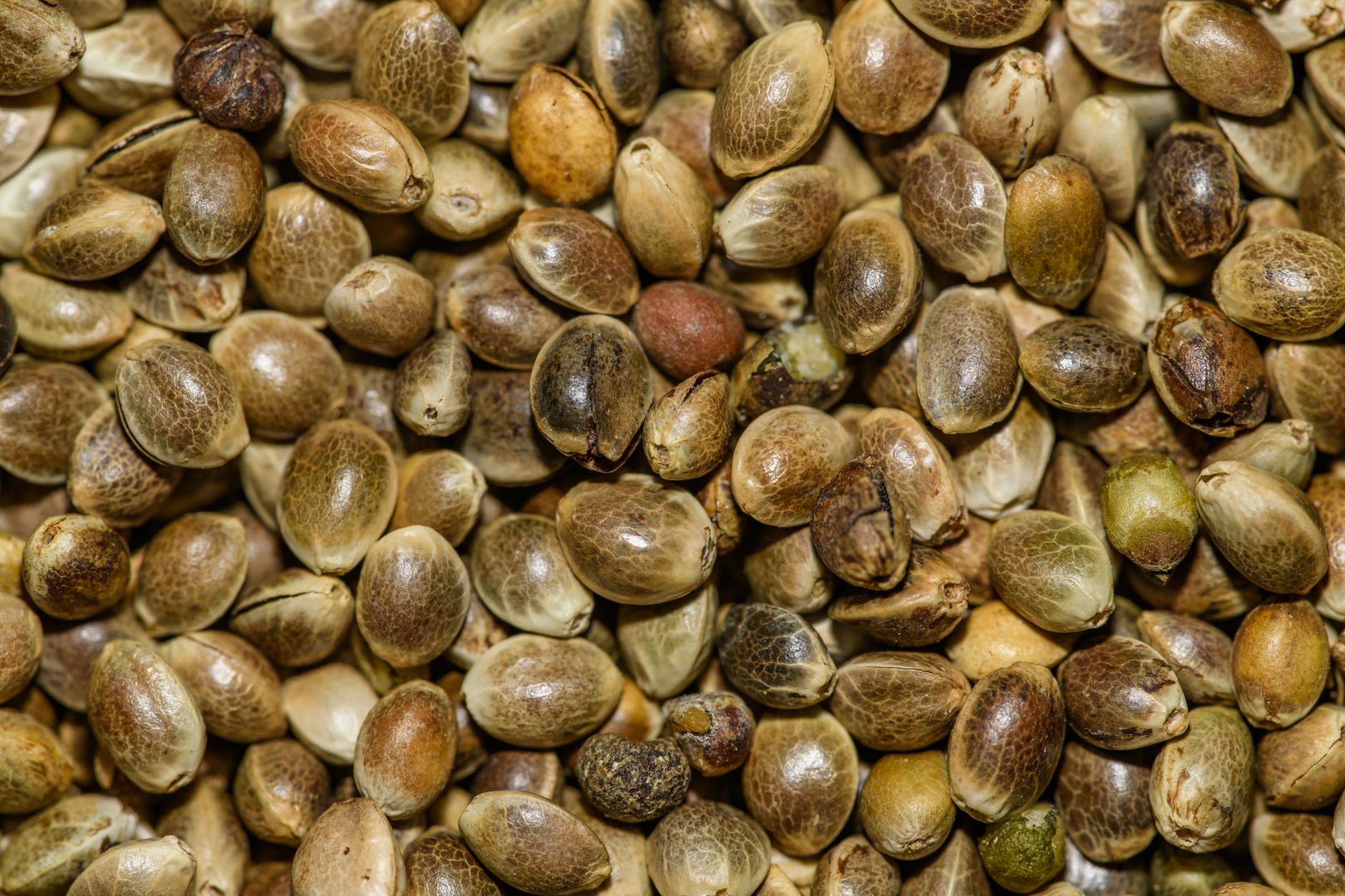
Hemp seeds, derived from the hemp plant, are small, nutritious seeds that are packed with flavor and health benefits. While often overlooked, they are a versatile ingredient that can enhance a variety of culinary creations, from smoothies to salads and baked goods. Understanding what hemp seeds are, their flavor profile, and how to incorporate them into meals can elevate your cooking.
In this article, we will explore the ingredients, flavors, and serving suggestions for hemp seeds. We will also look at their nutritional value and gain insights into practical ways to include them in your diet.
What Are Hemp Seeds?
Hemp seeds, or hemp hearts, come from the Cannabis sativa plant. Unlike other parts of the cannabis plant, hemp seeds contain negligible amounts of THC, the psychoactive compound, making them safe and legal to consume. These tiny seeds boast a rich nutrient profile, offering an excellent source of protein, healthy fats, vitamins, and minerals.
Hemp seeds are typically harvested from the fibers and seeds of the plant. They can be consumed raw, roasted, or ground into a meal or oil that is used in various recipes.
Ingredients Found in Hemp Seeds
Hemp seeds are a nutritional powerhouse. Below are the key ingredients and nutrients found in hemp seeds:
- Protein: They contain about 25% protein, providing all essential amino acids necessary for bodily functions.
- Healthy Fats: Hemp seeds are high in polyunsaturated fats, particularly omega-3 and omega-6 fatty acids.
- Fiber: The seeds are also a good source of dietary fiber, promoting digestive health.
- Vitamins: Hemp seeds are rich in various vitamins, including vitamin E and B vitamins.
- Minerals: They provide essential minerals such as magnesium, phosphorus, potassium, iron, and zinc.
Flavor Profile of Hemp Seeds
The flavor of hemp seeds is mild and nutty, with a slightly earthy undertone. They have a crunchy texture when raw, making them a delightful addition to various dishes. When toasted, their flavor becomes more robust, adding depth to salads, granola, or snack mixes.
How to Serve Hemp Seeds
Hemp seeds can be incorporated into meals in various ways. Here are some practical serving suggestions:
1. In Smoothies
Add two tablespoons of hemp seeds to your favorite smoothie recipe for an extra protein boost. They blend well with fruits and vegetables, enriching the drink without altering the taste significantly.
2. On Salads
Sprinkle raw or toasted hemp seeds over salads for added texture and nutrients. They pair well with leafy greens, nuts, and a variety of dressings.
3. In Baked Goods
Mix hemp seeds into baking recipes, such as muffins and bread. Use them as a substitute for part of the flour for added nutrition. For example, replace 1/4 of the all-purpose flour with hemp seed flour in a muffin recipe.
4. In Oatmeal or Yogurt
Stir hemp seeds into hot or cold oatmeal, yogurt, or chia pudding. They enhance the dish’s creamy texture and can complement a variety of toppings.
5. As a Snack
For a healthy snack, enjoy hemp seeds straight from the package or mix them into trail mix with nuts and dried fruits.
6. In Sauces and Dressings
Hemp seeds can be blended into sauces and dressings to provide creaminess and a nutty flavor. Consider adding them to homemade pesto or salad dressings.
Cooking Techniques with Hemp Seeds
Incorporating hemp seeds into your cooking doesn’t require special techniques, but there are some methods that can enhance their flavor and texture.
Toasting Hemp Seeds
Toasting hemp seeds allows their natural oils to release, creating a more pronounced flavor. Here’s how to toast them:
- Preheat your oven to 350°F (175°C).
- Spread the hemp seeds evenly on a baking sheet.
- Toast in the oven for 5-10 minutes, stirring occasionally until golden brown.
- Remove from the oven and let cool before using.
Ground Hemp Seeds
Ground hemp seeds can be used as a flour alternative or added to smoothies for a thicker texture. To grind them:
- Place hemp seeds in a food processor or spice grinder.
- Pulse until finely ground but avoid over-processing into a paste.
Practical Substitutions for Hemp Seeds
If you are unable to use hemp seeds or are looking for alternatives, here are some practical substitutions:
- Chia Seeds: Similar in texture, chia seeds can be used in smoothies or baking, offering a similar nutritional profile.
- Flaxseeds: Ground flaxseeds can substitute hemp seeds in baking and smoothies. However, they have a more pronounced flavor.
- Pumpkin Seeds: For a crunchy topping, roasted pumpkin seeds (pepitas) can be a great alternative. They have a somewhat different flavor but are still nutritious.
Common Mistakes When Using Hemp Seeds
While using hemp seeds is relatively straightforward, there are some common mistakes to avoid:
- Not storing them properly: Hemp seeds can go rancid if not stored in a cool, dark place. Keep them in an airtight container in the fridge or freezer for longer shelf life.
- Over-toasting: Toasting should be monitored closely to prevent burning the seeds. They can turn bitter if overcooked.
- Failing to grind: While hemp seeds can be eaten whole, grinding them can enhance nutrient absorption and improve texture in certain recipes.
Storage of Hemp Seeds
Proper storage of hemp seeds is essential for maintaining their freshness:
- Unopened packages can be stored in a cool, dry pantry for up to a year.
- Once opened, transfer the seeds to an airtight container and refrigerate them to extend their shelf life.
- For long-term storage, consider freezing hemp seeds.
Hemp Seeds in Different Cuisines
Hemp seeds can be found in various global cuisines. In addition to their uses in Western salads and smoothies, they have a place in Asian dishes:
- In India, hemp seeds can be used in traditional dishes like chutneys.
- In East Asian cuisine, hemp seed oil is sometimes utilized in dressings and marinades.
Health Considerations
While hemp seeds offer numerous health benefits, it’s important to note a few considerations:
- Allergies: Though rare, some individuals may experience allergies to hemp seeds.
- Caloric Content: Hemp seeds are calorie-dense. Moderation is key if you are monitoring caloric intake.
- Interactions: If you are on medication or have health conditions, consult with a healthcare provider to ensure hemp seeds do not interfere with your treatment.
In summary, hemp seeds are a versatile and nutritious ingredient that can seamlessly fit into various meals and snacks. Their mild flavor and crunchy texture, combined with their impressive nutrient profile, make them a fantastic addition to a healthy diet. Whether used in smoothies, salads, baked goods, or as healthy toppings, hemp seeds can boost your nutritional intake and enhance your culinary creations.
Consider starting your journey with hemp seeds today by incorporating them into your next dish. This small but powerful seed could very well be the missing ingredient in your cooking repertoire!
For more exciting ingredient insights, check out these related articles: What Are the Benefits of Chia Seeds? and Chia Pudding Recipe with Coconut Milk.