
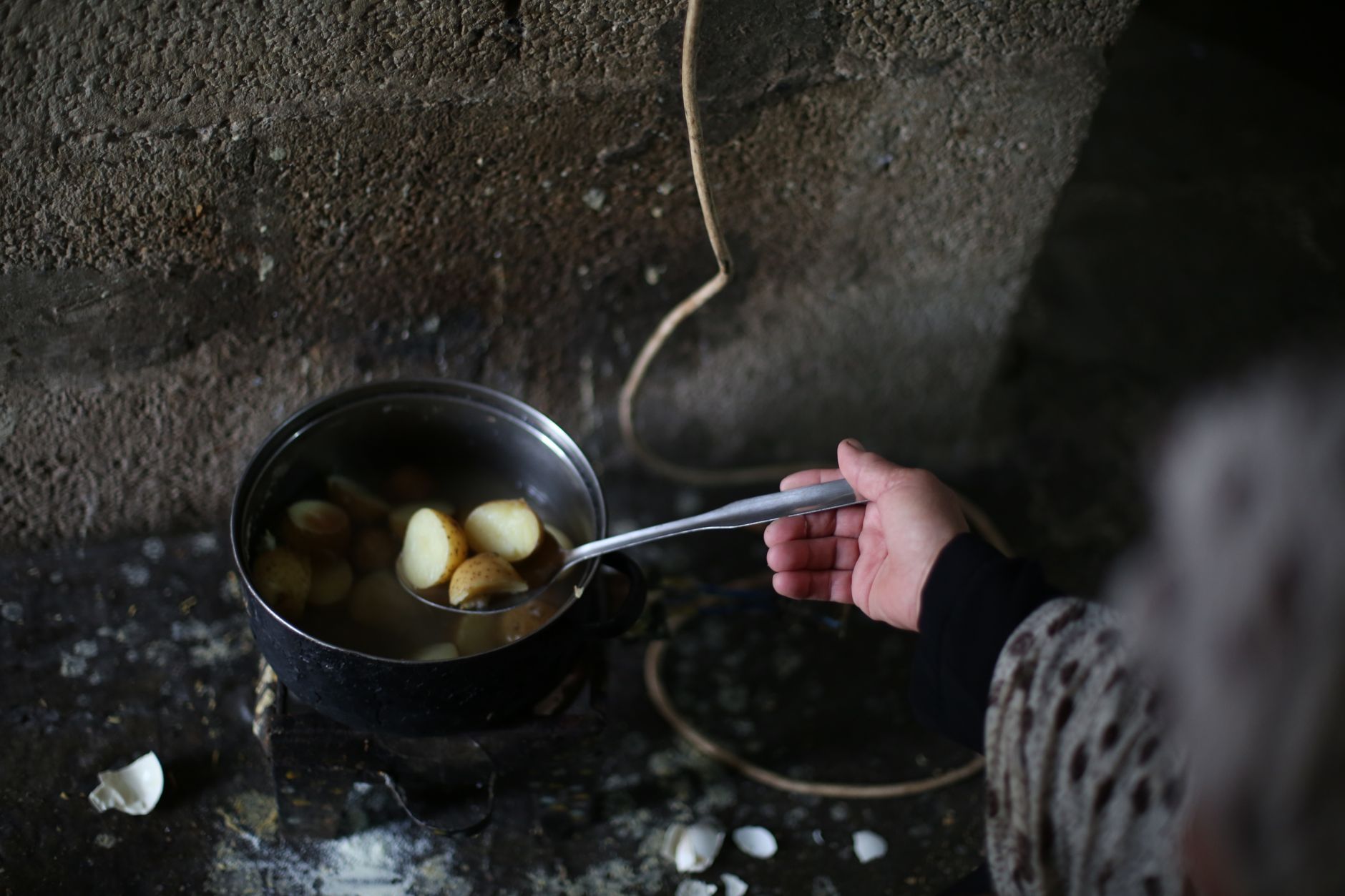
When it comes to cooking potatoes, boiling is one of the simplest and most effective methods. Knowing how long it takes for potatoes to boil can make or break your dish, whether you’re making mashed potatoes, potato salad, or just a simple side. In this guide, we will cover everything related to boiling potatoes, including cooking times, tips, and variations.
This article will help you navigate the boiling process with ease, ensuring that your potatoes turn out perfectly cooked every time. From understanding potato types to mastering cooking techniques, you will soon become a pro at boiling potatoes.
How Long Does It Take for Potatoes to Boil?
The boiling time for potatoes depends primarily on their size and type. Generally, whole medium-sized potatoes take about 20 to 25 minutes to boil until fork-tender. If you’re dealing with smaller or diced potatoes, expect a cooking time of around 10 to 15 minutes. However, it is essential to check for doneness by poking the potatoes with a fork.
Factors Affecting Boiling Time
Understanding the factors that influence boiling time will make cooking more efficient. Here are some key considerations:
1. Size of the Potatoes
The bigger the potato, the longer it will take to cook through. Whole potatoes will take longer than smaller, cubed ones. A general guideline is:
- Whole small potatoes: 10 to 15 minutes
- Whole medium potatoes: 20 to 25 minutes
- Diced potatoes: 10 to 15 minutes
- Whole large potatoes: 30 to 35 minutes
2. Type of Potato
Potatoes come in various types, each with unique cooking characteristics:
- Yukon Gold: Creamy and buttery, perfect for mashing. Boil for about 15–20 minutes when diced.
- Russet: Fluffy and ideal for baking. Cut into cubes and boil for 15–20 minutes.
- Red Potatoes: Waxy and firm texture. Boil whole for about 20–25 minutes.
- New Potatoes: Tender and sweet. Boil for 10–15 minutes depending on size.
3. Starting Temperature
Starting with room temperature potatoes reduces the boiling time. If you start with boiling water versus cold water, the cooking duration varies. Starting in cold water usually adds about 5 minutes to the total cooking time. To save time, you can also soak potatoes in warm water for a few minutes before boiling.
Essential Equipment for Boiling Potatoes
Using the right tools can make the boiling process smoother. Here’s what you’ll need:
- Large pot with a lid
- Colander for draining
- Sharp knife for cutting potatoes
- Fork or skewer for testing doneness
- Slotted spoon or tongs
Step-by-Step Guide to Boiling Potatoes
Follow these steps for perfectly boiled potatoes:
- Select and Prepare Potatoes: Choose the type of potato you want to boil. Clean them thoroughly under running water to remove dirt. For uniform cooking, cut them into equal-sized pieces if you’re not using whole potatoes.
- Fill the Pot: Add water to a large pot, ensuring it’s enough to fully submerge the potatoes. Use cold water for a gradual heat-up unless you’re using diced potatoes, which can benefit from starting in already boiling water.
- Add Salt: Add about 1 to 2 teaspoons of salt to the water to enhance the flavor. Salt increases the boiling point of water slightly, which can help the potatoes cook more evenly.
- Heat the Pot: Place the pot on the stove over high heat. If using whole potatoes, cover with a lid to speed up the boiling process.
- Check for Boiling Point: Once the water reaches a rolling boil, reduce the heat to medium to maintain a gentle boil.
- Cook the Potatoes: Boil the potatoes according to their size:
- Small potatoes: 10 minutes
- Medium potatoes: 20 minutes
- Large potatoes: 30 minutes
- Diced potatoes: 10-15 minutes
- Test for Doneness: After the recommended cooking time, poke a potato with a fork. If it goes in easily, the potatoes are done. If there’s resistance, boil for another 5 minutes and test again.
- Drain the Potatoes: Once fully cooked, drain the potatoes in a colander to remove excess water. Allow them to rest for a minute to steam off additional moisture.
- Serve or Use in Your Recipe: After draining, you can mash, season, or use the potatoes in other recipes.
Common Mistakes to Avoid When Boiling Potatoes
Even experienced cooks can make mistakes when boiling potatoes. Keep the following tips in mind to ensure a successful outcome:
- Not Salting the Water: Failing to add salt can result in bland potatoes. Always season the water before boiling.
- Overcrowding the Pot: Avoid boiling too many potatoes at once, as this can lead to uneven cooking. If cooking large quantities, use multiple pots or boil in batches.
- Underestimating Cooking Time: Always test for doneness rather than relying solely on time, as various factors can alter cooking duration.
- Poking too Early: If you test the potatoes too soon, you may end up overcooking them. Wait until they are close to the estimated time before checking.
Flavor and Texture Variations
While boiled potatoes are delicious on their own, you can enhance their flavor and texture with various techniques and ingredients:
Adding Herbs and Aromatics
Consider adding herbs, spices, or aromatics to the boiling water for added flavor. Some excellent options include:
- Garlic cloves
- Thyme sprigs
- Bay leaves
- Parsley
Making Herb-Infused Water
For a more profound flavor, try making herb-infused boiling water. Simply add the herbs to cold water while bringing it to a boil, then remove the herbs before adding the potatoes.
Post-Boiling Enhancements
Once boiled, you can dress your potatoes with:
- Butter or olive oil
- Fresh herbs, such as dill or chives
- Fresh lemon juice for a zesty kick
- Cracked pepper and sea salt as a simple seasoning
Storing and Reheating Boiled Potatoes
If you have leftover boiled potatoes, here’s how to store and reheat them:
Storage
Allow the boiled potatoes to cool completely before storing them in an airtight container. Place a paper towel inside the container to absorb excess moisture. They can be stored in the refrigerator for up to 4 days.
Reheating
Reheat boiled potatoes by following one of these methods:
- Microwave: Place in a microwave-safe dish, cover with a lid or microwave-safe wrap, and heat on medium power for 1-2 minutes, checking periodically to prevent overheating.
- Stovetop: Heat a skillet over low heat with a little bit of water or stock and add the potatoes, cooking until warmed through.
Potato-Based Recipes to Try After Boiling
Boiled potatoes serve as a base for many delicious dishes. Here are a few classic recipes where you can incorporate your perfectly boiled potatoes:
Mashed Potatoes
Once boiled, add butter, heavy cream, salt, and pepper, and mash until creamy for a comforting side dish.
Potato Salad
Chop boiled potatoes, mix with mayonnaise, mustard, chopped celery, and onion, and season to taste for a delightful salad.
Roasted Potatoes
Toss boiled and cooled potatoes in olive oil and seasoning, then roast until crispy for a simple yet flavorful side dish.
Alternative Cooking Methods for Potatoes
While boiling is classic, potatoes can be prepared using various methods that also yield delicious results:
1. Steaming
Steaming retains more nutrients and can preserve flavor. Steam cubed potatoes for about 10-15 minutes.
2. Baking
Bake whole potatoes in an oven at 425°F (220°C) for about 45-60 minutes for a fluffy interior and crispy skin.
3. Pressure Cooking
Using a pressure cooker, potatoes can be done in as little as 8-10 minutes, making it a quick cooking method for busy nights.
4. Microwaving
Microwave whole potatoes on high for about 10-15 minutes, checking doneness halfway through. This is an excellent option for quick meals.
Final Thoughts
Boiling potatoes may seem straightforward, but understanding cooking times and methods can elevate your dish to the next level. Remember to consider the size, type, and starting temperature of the potatoes for perfect results. With practice, boiling potatoes will become a simple and reliable skill in your kitchen, paving the way for countless delicious recipes.
For more culinary insights, feel free to explore how to boil asparagus for a healthy side dish or how to bake a sweet potato for a nutritious meal.