
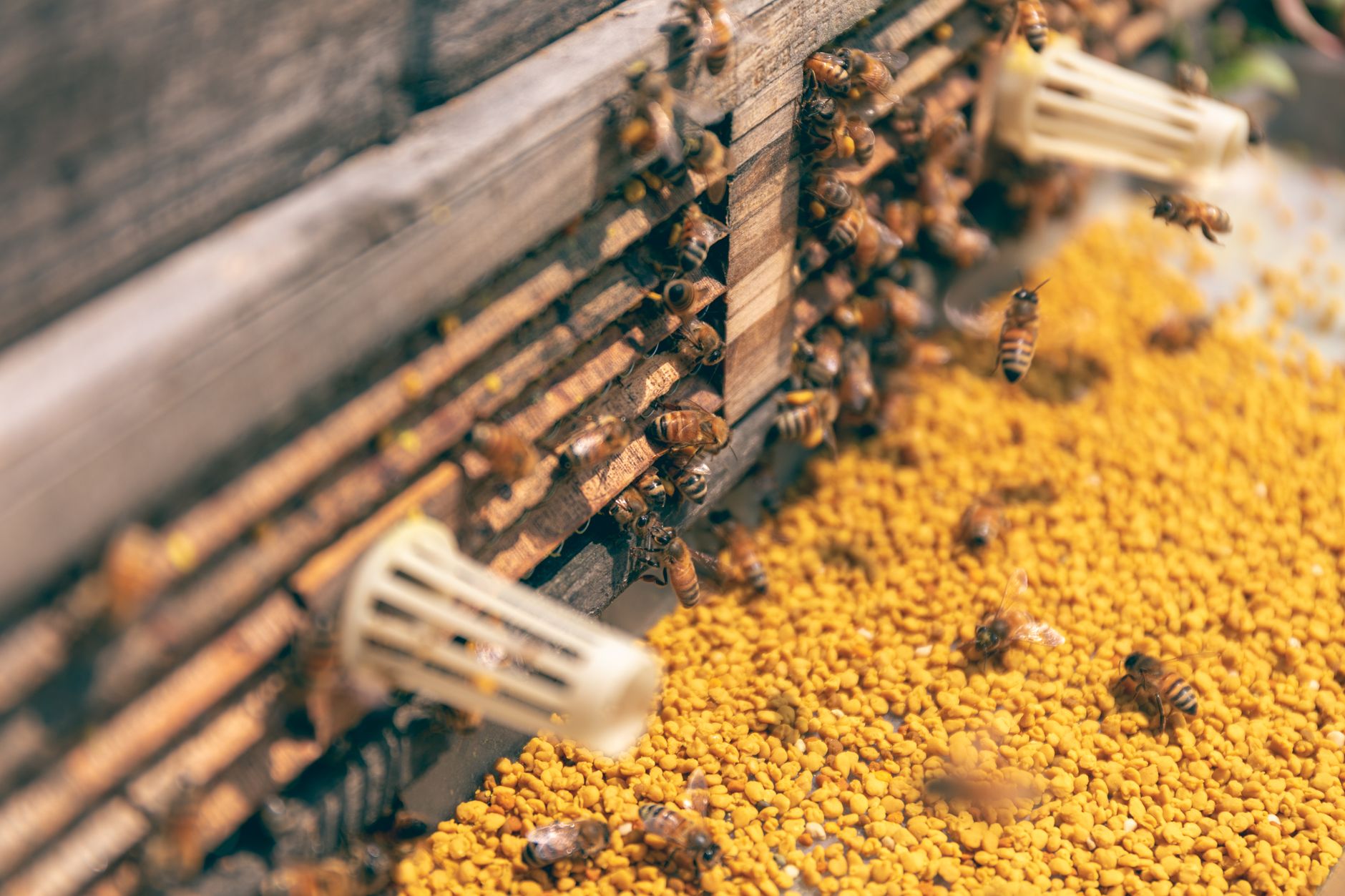
Bee pollen is a treasured ingredient derived from the male gametes of flowering plants and is collected by bees as a vital food source. This natural substance is known for its rich nutritional profile, containing vitamins, minerals, proteins, and various bioactive compounds. Its incorporation into diets and dishes has gained popularity among health enthusiasts and culinary creatives alike.
With its floral origins, bee pollen provides a unique flavor and texture to various dishes, making it a versatile addition to smoothies, baked goods, and salads. Understanding its ingredients, flavor profile, and ways to serve it can help you maximize its benefits and enjoy its deliciousness.
What Is Bee Pollen?
Bee pollen is a granule-like substance that consists of pollen grains, nectar, enzyme-rich saliva, and honey collected and processed by bees. It serves as food for the hive, nourishing bee larvae and adult bees. This substance varies greatly in color depending on the flower source, ranging from yellow, orange, to even purple hues, each indicating different nutrient profiles.
Ingredients and Nutritional Profile
Bee pollen is often touted for its impressive nutritional content, which includes:
- Proteins: Bee pollen contains about 20% to 30% protein, including essential amino acids crucial for various bodily functions.
- Vitamins: It is rich in vitamins such as B-complex vitamins (B1, B2, B3, B5, B6, B7, B9, B12), vitamin C, and vitamin E, all of which play roles in energy metabolism and immune function.
- Minerals: Essential minerals found in bee pollen include calcium, potassium, magnesium, zinc, and selenium, contributing to overall health.
- Antioxidants: Bee pollen contains flavonoids and carotenoids, which help combat oxidative stress in the body.
- Carbohydrates: It also provides natural sugars, predominantly fructose and glucose, which offer energy.
Flavor Profile of Bee Pollen
The flavor of bee pollen can be described as mildly sweet, floral, and slightly nutty, with a hint of earthiness. Its texture is often grainy or granular, and it can be somewhat crunchy when added to dishes. This unique profile makes it an excellent addition to a variety of culinary applications.
How to Serve Bee Pollen
Incorporating bee pollen into your meals is simple and rewarding. Here are some creative ways to enjoy its goodness:
1. Smoothies
Add a tablespoon of bee pollen to your favorite smoothie for an extra nutritional boost. Combine it with fruits, greens, yogurt, or nut milk for a creamy, revitalizing beverage.
2. Granola and Oatmeal
Sprinkle bee pollen onto homemade granola or oatmeal for added flavor and texture. It pairs beautifully with other toppings like nuts, seeds, and fruits.
3. Yogurt and Acai Bowls
Top yogurt parfaits or acai bowls with bee pollen for a beautiful presentation and an extra layer of nutrients. Its vibrant colors will enhance the visual appeal of your dish.
4. Salad Toppers
Use bee pollen as a finishing touch on salads for an unexpected crunch and a touch of sweetness. Combine it with a variety of greens, nuts, and dressings for a satisfying meal.
5. Baked Goods
Incorporate bee pollen into muffins, breads, or cookies. Mix them into the batter or sprinkle them on top before baking to create a delightful texture contrast.
6. Energy Bites
Create no-bake energy bites made with oats, nut butter, and honey, and roll them in bee pollen for added flavor and nutrition.
7. Beverages
Stir bee pollen into herbal teas or smoothies for a unique flavor. It can also be used in cocktails for an interesting twist.
How to Choose and Store Bee Pollen
When selecting bee pollen, consider the following:
Choosing Bee Pollen
- Source: Opt for pollen sourced from reputable local or organic beekeepers to ensure quality.
- Color: Varieties may vary in color; choose based on aesthetics or your preference for taste.
- Form: Available in granule, powder, or capsule forms. Granules are commonly used in cooking.
- Freshness: Look for freshness dates on packaging; bee pollen should be stored properly to retain its nutritional value.
Storage
For optimal freshness, store bee pollen in a cool, dark place in an airtight container. Refrigeration can extend shelf life, but make sure to keep it well-sealed to avoid moisture absorption. Avoid exposure to heat or direct sunlight, which can degrade its quality.
Possible Health Benefits and Considerations
While many people emphasize bee pollen’s potential health benefits, it’s essential to highlight that scientific research is ongoing. Bee pollen is celebrated for its natural antioxidant and anti-inflammatory properties. Some individuals believe it may boost energy levels, support immune function, and improve skin health.
However, while bee pollen is generally safe for many, some individuals may experience allergic reactions, especially those allergic to pollen or bee products. It is advisable to consult a healthcare professional before incorporating bee pollen into your diet, particularly for people with allergies or pre-existing conditions.
Common Mistakes When Using Bee Pollen
Using bee pollen can be straightforward, but here are some common mistakes to avoid:
- Heating: Avoid adding bee pollen directly to hot dishes. High temperatures can destroy some of its nutrients. Instead, add it as a topping or mix it into food after cooking.
- Overconsumption: Although it is beneficial, moderation is key. Start with small amounts to assess tolerance.
- Ignoring Allergies: Always check for potential allergic reactions before trying it for the first time.
Variations and Substitutions
While bee pollen is unique, here are some alternatives to consider if you’re unable to use it for any reason:
- Chia seeds: Similar to bee pollen in texture, chia seeds can add a nutritional boost but lack the floral flavor.
- Hemp seeds: Nutrient-dense and rich in protein, hemp seeds can be used as a substitute in recipes.
- Flaxseeds: Ground flaxseeds can also offer health benefits, though they have a different flavor profile.
Bee Pollen in Culinary Traditions
Bee pollen has made its mark in various cultural cuisines, appreciated not just for its health benefits but also for its distinct taste. In many cultures, it’s added to traditional dishes or consumed as a supplement to enhance well-being.
International Uses
- In Asia: Bee pollen is often incorporated into traditional herbal remedies and foods for its supposed restorative properties.
- In Europe: It is commonly used in health food products, smoothies, and energy bars.
- In North America: Bee pollen is gaining popularity as a health booster among smoothie enthusiasts and health-conscious consumers.
Where to Buy Bee Pollen
Bee pollen can be found at health food stores, farmer’s markets, and online retailers. When purchasing, ensure you are buying from trusted sources to guarantee quality and safety. Some specialty grocery stores may also carry local varieties that can offer unique flavors and properties.
Safety and Allergies
While bee pollen is considered safe for most people, those with allergies or asthma should use caution. Begin with small amounts to test for any reactions. Pregnant and breastfeeding women should consult with a healthcare professional for personalized advice.
Conclusion
Bee pollen is a nutritious and versatile ingredient that can enhance both flavor and texture in various dishes. With its rich blend of proteins, vitamins, minerals, and antioxidants, it can be a valuable addition to a balanced diet. Whether you sprinkle it on your morning yogurt, stir it into smoothies, or use it in energy bites, exploring bee pollen can add creativity and healthfulness to your meals.
For more culinary insights and recipes, consider exploring our guides on delicious chia pudding or learning about the benefits of chia seeds.