
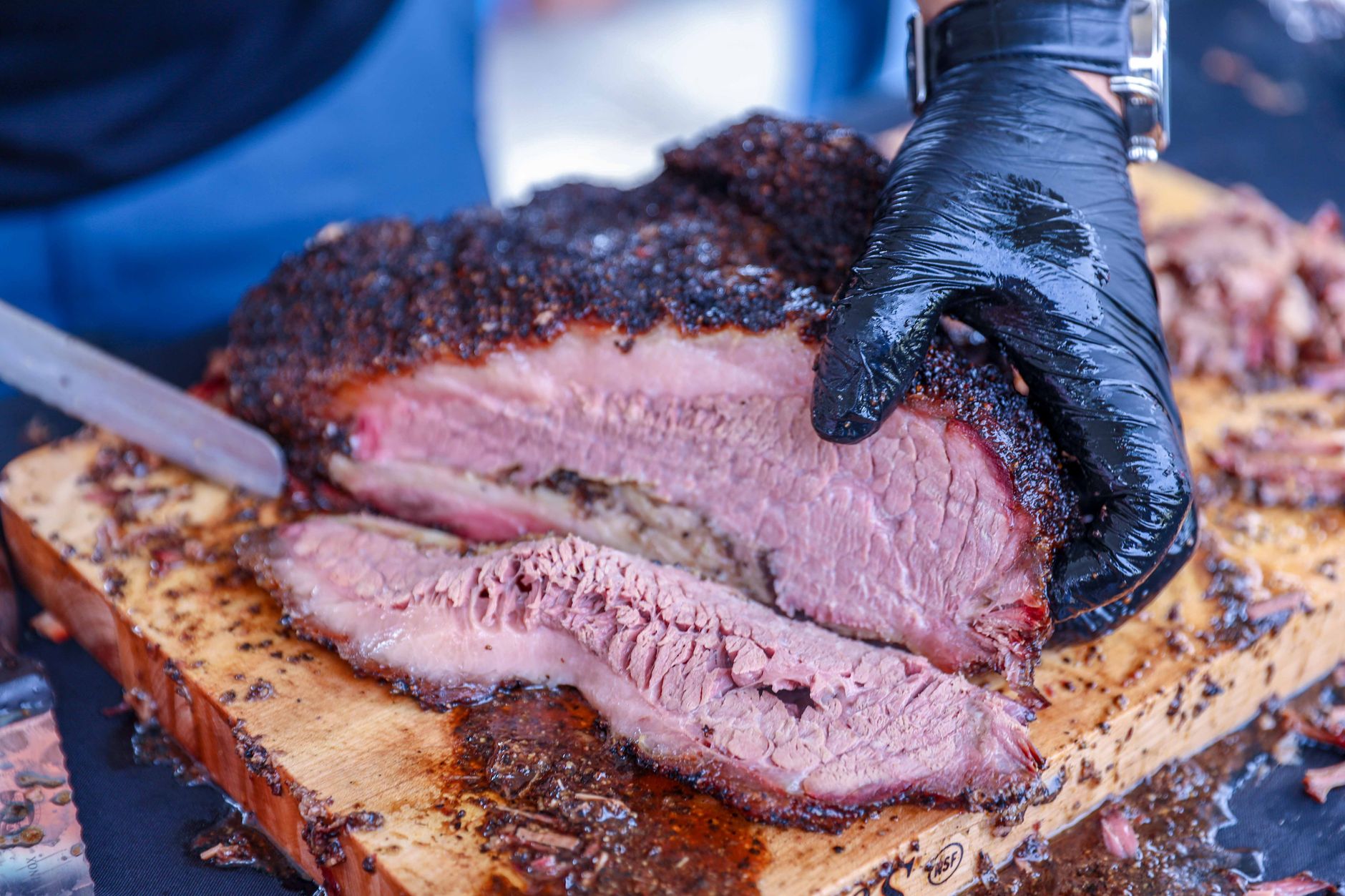
Brisket meat is a flavorful and versatile cut of beef known for its rich, beefy taste and tender texture when prepared correctly. This cut, taken from the lower chest region of cattle, is ideal for slow-cooking methods, making it a favorite for barbecue enthusiasts and home cooks alike. Understanding brisket is essential for anyone looking to make hearty meals that highlight this succulent meat.
This article delves into what brisket meat is, explores its ingredients, discusses its taste, and provides culinary uses that will help you enjoy this beef cut in various ways. Whether you’re a seasoned cook or just starting, you’ll find valuable insights into how to choose, cook, and incorporate brisket into your meals.
What Is Brisket Meat?
Brisket meat comes from the pectoral muscles of the beef cow. Located between the front legs, this cut is a tougher piece of meat due to the significant amount of connective tissue it contains. However, it is also one of the most flavorful cuts when cooked properly, resulting in meat that is tender and juicy.
There are two primary cuts of brisket: the flat cut and the point cut. The flat cut is leaner and consists of long, even slices, while the point cut is fattier with more marbling, contributing to its juicy texture. Both cuts are ideal for smoking, braising, and slow cooking.
Taste and Texture of Brisket Meat
Brisket boasts a robust beef flavor, enhanced by its marbling and fat content. When cooked slowly and at low temperatures, the connective tissue breaks down, resulting in tender meat that melts in your mouth. The cooking method significantly affects the final taste and texture of brisket, whether it’s smoked, braised, or roasted.
The flat cut offers a milder flavor with a more uniform texture, while the point cut delivers a richer, meatier taste and a more tender, juicy experience due to the higher fat content. Both cuts develop an incredible bark or crust during cooking, enhancing their flavor profile.
Culinary Uses for Brisket Meat
Brisket is a versatile ingredient used in various dishes and cooking techniques. Here are some of the most popular culinary uses for brisket:
1. Barbecuing
One of the most beloved ways to prepare brisket is through barbecuing. The slow-cooking process in a smoker allows the meat to absorb flavors from wood smoke while maintaining its moisture content. Rubs made with spices and seasonings enhance the meat’s natural flavor, resulting in a delicious, smoky dish that is often served sliced or chopped.
2. Braising
Braising is another excellent method for cooking brisket. This involves searing the meat first and then cooking it slowly in liquid such as broth or wine. This method breaks down tough fibers while keeping the beef moist and flavorful. Braised brisket can be served with vegetables or used in various dishes such as tacos or sandwiches.
3. Pot Roasting
Cooking brisket as a pot roast is a comforting option. In this method, the meat is seasoned, seared, and then cooked low and slow with vegetables and broth. The result is tender beef infused with the flavors of the accompanying ingredients, making for a hearty meal.
4. Corned Beef
Brisket is also cured with salt and spices to create corned beef. This preparation is particularly popular in Irish cuisine, especially during St. Patrick’s Day. It is typically boiled and served with cabbage for a traditional meal.
5. Sandwiches and Tacos
Leftover brisket is perfect for making sandwiches and tacos. Thinly sliced brisket can be piled high on bread with barbecue sauce, pickles, or slaw, adding variety and flavor to the dish. It also makes a great filling for tacos, especially when paired with homemade salsa and fresh toppings.
Choosing the Right Brisket
When selecting brisket at the grocery store or butcher, consider the following tips:
- Cut Type: Decide between the flat cut and point cut based on your intended cooking method and flavor preference.
- Marbling: Look for brisket with good marbling—fat interspersed within the muscle—as it contributes to moisture and flavor.
- Color and Texture: Opt for briskets that are bright red with firm, moist flesh. Avoid meat that appears dull or has a grayish hue.
- Size: Briskets can vary significantly in size. Consider the number of servings you need when choosing a cut; typically, a pound per person is a good estimate for a party.
Cooking Techniques for Brisket
Whether you’re smoking, braising, or roasting brisket, proper technique is key to a delicious end result. Below are essential cooking methods:
1. Smoking Brisket
Smoking is a traditional method that infuses brisket with unique flavor. Here’s a basic guide:
- Preparation: Trim excess fat from the brisket, leaving about 1/4 inch for flavor. Apply a dry rub of your choice and let the meat sit for at least an hour, or preferably overnight in the refrigerator.
- Preheat Smoker: Prepare your smoker by preheating it to 225°F (107°C). Use wood chips such as hickory or mesquite for added flavor.
- Smoking: Place the brisket in the smoker fat side up. Smoke for approximately 1 to 1.5 hours per pound, maintaining a steady temperature. Spritz with apple juice or broth every hour for moisture.
- Resting: Once the internal temperature reaches about 195-205°F (90-96°C), remove from the smoker and let it rest for at least 30 minutes before slicing.
2. Braising Brisket
Braising is perfect for creating a melt-in-your-mouth brisket. Follow these steps:
- Prep the Meat: Season the brisket with salt and pepper. Heat oil in a large Dutch oven over medium-high heat and sear the brisket on both sides until browned.
- Add Aromatics: Remove the brisket and add onions, garlic, and any other vegetables you desire. Sauté until softened.
- Add Liquid: Return the brisket to the pot, add broth or red wine, and bring to a simmer.
- Braise: Cover the pot and transfer it to a preheated oven at 300°F (149°C). Cook for 3-4 hours until tender, ensuring to check occasionally for liquid levels.
- Serving: Let the meat rest before slicing against the grain and serving with the braising liquid.
3. Roasting Brisket
Roasting brisket yields a delicious crust and tender interior. Here’s how:
- Season: Season the brisket with your chosen spices and let it come to room temperature.
- Preheat Oven: Preheat your oven to 325°F (163°C).
- Roast: Place the brisket in a roasting pan and roast for about 3-4 hours, basting occasionally with pan juices, until the internal temperature reaches 185°F (85°C).
- Rest and Slice: Allow the brisket to rest for at least 20 minutes before slicing across the grain.
Common Mistakes When Cooking Brisket
Cooking brisket can be tricky, and beginners may encounter a few common pitfalls. Here are some mistakes to watch out for:
- Rushing the Process: Brisket requires long, slow cooking to break down connective tissue. Don’t rush this step; it’s essential for tenderness.
- Cooking at Too High a Temperature: High heat can dry out brisket. Low and slow is the key.
- Skipping the Resting Period: Allowing brisket to rest after cooking helps retain its juices, preventing a dry meal.
- Not Slicing Against the Grain: Cutting with the grain can result in tough pieces of meat. Always slice against the grain for maximum tenderness.
Storage and Reheating Guidelines
Storing and reheating brisket correctly is crucial for maintaining its flavor and safety:
- Refrigeration: Cooked brisket can be stored in the refrigerator for up to four days. Keep it in an airtight container to prevent moisture loss.
- Freezing: For longer storage, brisket can be frozen for up to three months. Wrap it tightly in plastic wrap and then aluminum foil.
- Reheating: When reheating brisket, do so gently to avoid drying it out. Place the slices in a covered baking dish with a splash of broth or water and heat at 300°F (149°C) for about 20 minutes or until warmed through.
Conclusion
Brisket meat is a truly versatile and flavorful cut that offers various culinary possibilities. Its preparation methods, from smoking to braising, highlight its unique taste and texture, making it a favorite among home cooks and barbecue enthusiasts alike. Armed with the knowledge of selecting, cooking, and serving brisket, you can elevate your meals and impress your guests.
Explore our other food guides to enhance your cooking repertoire and discover more about ingredients and cooking techniques. From understanding more cuts of meat to meal-prepping tips, there’s always something new to learn in the kitchen!