
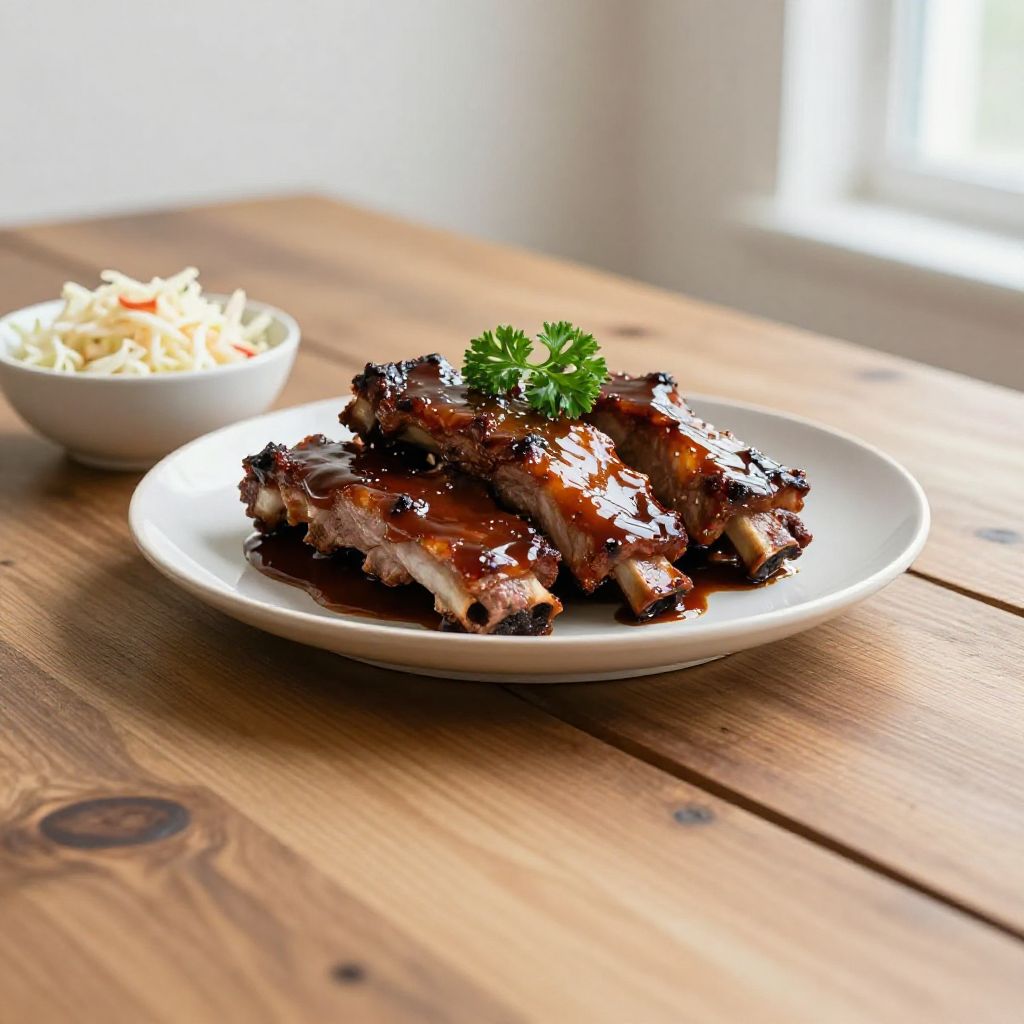
Ribs are a beloved dish known for their tender, juicy meat and flavorful seasoning. Cooking ribs in the oven is a convenient method that allows for controlled cooking temperatures and times, resulting in delicious, fall-off-the-bone goodness. In this guide, we’ll explore the essentials of cooking ribs in the oven, including cooking times, techniques, tips for doneness, and more.
Whether you’re preparing a family dinner or hosting a gathering, knowing how long to cook ribs in the oven will help you achieve mouthwatering results every time. With a few simple steps, you can enjoy perfectly cooked ribs that rival those cooked on a grill or smoker.
How Long to Cook Ribs in the Oven?
The cooking time for ribs in the oven varies depending on the type of ribs and the cooking method used. Generally, you can expect to cook ribs at 275°F (135°C) for about 2.5 to 3.5 hours until they reach an internal temperature of 190°F to 203°F (88°C to 95°C) for optimal tenderness. The lower temperature allows the collagen in the meat to break down, creating tender, flavorful ribs.
Types of Ribs
Understanding the different types of ribs will help you choose the right cooking time and method:
- Baby Back Ribs: These are shorter, meatier ribs that are tender and cook relatively quickly. Cooking time generally ranges from 2.5 to 3 hours.
- Spare Ribs: Larger and meatier than baby back ribs, spare ribs require longer cooking times, typically around 3 to 4 hours.
- St. Louis Style Ribs: Similar to spare ribs but trimmed for a more uniform shape, these ribs cook in about 3 to 4 hours as well.
- Country Style Ribs: These are not truly ribs but rather cuts from the pork shoulder. They can cook faster, usually taking around 1.5 to 2.5 hours.
Essential Equipment for Cooking Ribs
To cook ribs in the oven, you’ll need a few basic kitchen tools:
- Oven
- Rimmed baking sheet or roasting pan
- Aluminum foil
- Meat thermometer
- Brush (for applying sauce)
- Sharp knife (for removing the membrane)
Preparing Ribs for Cooking
Before cooking, proper preparation of the ribs can enhance flavor and texture:
- Remove the Membrane: Flip the ribs over and locate the thin, silvery membrane on the bone side. Use a sharp knife to loosen one edge and grasp it with a paper towel for a better grip. Pull it off entirely.
- Season the Ribs: Apply a generous amount of dry rub or marinade to the ribs. Be sure to coat both sides evenly for maximum flavor.
- Let Them Rest: Allow the seasoned ribs to rest at room temperature for about 30 minutes before cooking to let the flavors penetrate.
Cooking Methods
There are several methods to cook ribs in the oven, and each can yield excellent results. Here are some popular techniques:
Method 1: Low and Slow
This method involves cooking the ribs at a low temperature for an extended period. It breaks down the collagen for tender, juicy meat.
- Preheat the oven to 275°F (135°C).
- Place the ribs on a rimmed baking sheet lined with aluminum foil, bone side down.
- Cover the ribs tightly with aluminum foil to trap moisture.
- Bake for 2.5 to 3.5 hours for baby back ribs and 3 to 4 hours for spare ribs.
- Check doneness using a meat thermometer; the ideal internal temperature is 190°F to 203°F (88°C to 95°C).
Method 2: Foil-Wrapped Ribs
Wrapping ribs in foil helps retain moisture and speed up cooking time.
- Preheat the oven to 300°F (150°C).
- Season and wrap the ribs tightly in aluminum foil.
- Place them on a baking sheet and bake for 2 to 2.5 hours for baby back ribs and 3 to 3.5 hours for spare ribs.
- Unwrap the ribs during the last 30 minutes and brush with barbecue sauce for a caramelized finish.
Method 3: Baking and Broiling
This method combines baking with a final broil to achieve a crispy exterior.
- Preheat the oven to 275°F (135°C).
- Season and bake wrapped ribs in foil for 2.5 to 3.5 hours.
- After removing from the oven, unroll the foil and brush with barbecue sauce.
- Increase the oven temperature to broil and return the ribs to the oven for 5 to 10 minutes for a crisp finish.
Checking for Doneness
Knowing when the ribs are done is crucial for achieving perfect results. Here are some helpful tips:
- Internal Temperature: Use a meat thermometer to check the internal temperature; it should be between 190°F to 203°F (88°C to 95°C).
- Visual Cues: The meat should be pulling away from the bones slightly, and the ribs should look tender and juicy.
- Bend Test: If you lift the ribs with tongs, they should bend easily and start to crack on the surface.
Serving Suggestions
Once your ribs are cooked to perfection, consider these serving ideas:
- Serve with traditional sides like coleslaw, cornbread, or baked beans.
- Pair with a variety of barbecue sauces for guests to choose their favorite.
- Offer fresh sliced vegetables and dips to complement the rich flavors of the ribs.
Common Mistakes and Troubleshooting
Even with the best intentions, mistakes can happen. Here are some common issues and how to fix them:
- Ribs are Tough: If the ribs are tough, they likely need more cooking time. Consider covering them and returning to the oven for an additional period.
- Too Much Fat: If your ribs are overly greasy, trim excess fat before cooking. You can also balance the richness with acidic sides.
- Dry Ribs: If the ribs turn out dry, consider basting them with your sauce or serving with a vinegar-based sauce for moisture.
Variations and Flavor Enhancements
Experimenting with flavors can make your ribs even more exciting:
- Marinades: Try different marinades such as teriyaki or citrus-based for a unique flavor profile.
- Spice Rubs: Experiment with spice blends; sweet and smoky paprika or chili powders can add depth.
- Wood Smokes: If available, use wood chips in your oven for added smoky flavor.
Make-Ahead and Storage Tips
If you want to prepare ribs in advance, here are some tips for make-ahead cooking and storage:
- Make-Ahead: Season the ribs and refrigerate them overnight in advance. This allows the flavors to marinate.
- Storage: Leftover ribs can be stored in an airtight container in the refrigerator for up to 3 days.
- Freezing: Cooked ribs can be frozen for up to 3 months. Wrap them tightly in plastic wrap and foil to prevent freezer burn.
Reheating Ribs
Properly reheating ribs will help maintain their delicious flavor and texture:
- In the Oven: Preheat the oven to 250°F (120°C), wrap the ribs in foil, and reheat for approximately 20 to 30 minutes.
- In the Microwave: Heat in short increments at medium power, checking every minute to avoid drying out.
Cooking ribs in the oven might seem daunting, but with the right techniques and timing, you can produce a dish that’s both satisfying and impressive. The keys lie in understanding cooking temperatures, recognizing doneness, and experimenting with flavors.
If you’re ready to impress your family or guests with delicious ribs, consider trying these methods and tips. Mastering how long to cook ribs in the oven will ensure you serve up tender, mouthwatering ribs every time. For a delicious barbecue experience, check out more recipes like our BBQ ribs recipe or learn how to cook ribs wrapped in foil to keep them juicy and flavorful.