
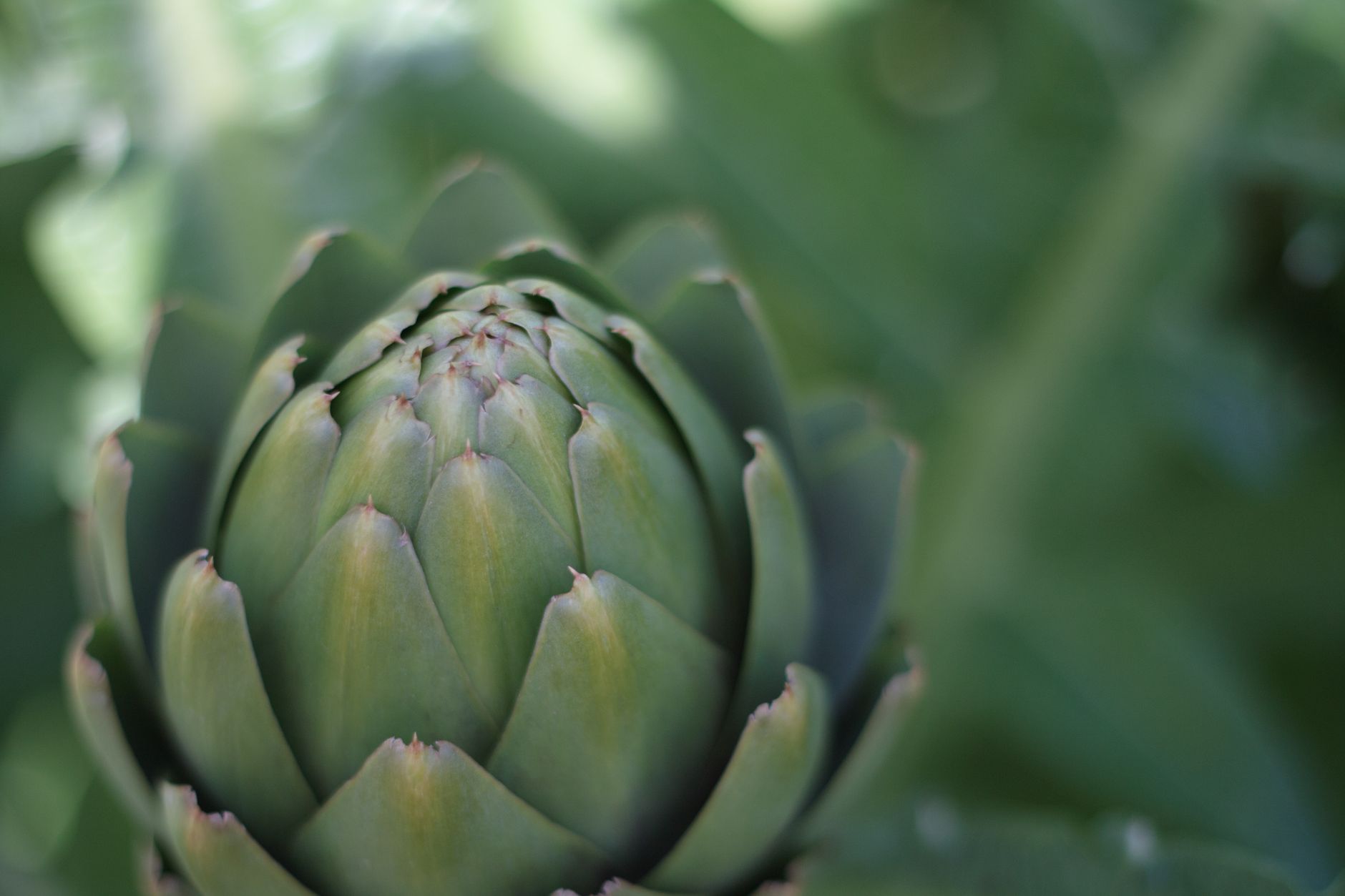
The artichoke, known scientifically as Cynara cardunculus var. scolymus, is a fascinating and unique vegetable from the thistle family. Its striking appearance and delectable taste make it a favorite ingredient in various cuisines around the world. Understanding what an artichoke is, how to cook and enjoy it, opens up a world of delicious culinary possibilities.
In this article, we will explore the components of an artichoke, its flavor profile, culinary uses, and practical tips for selecting, preparing, and serving this remarkable vegetable. Whether you’re a seasoned home cook or a beginner, learning about artichokes will enrich your culinary repertoire.
What Is an Artichoke?
An artichoke is a green, bulbous vegetable that consists of both edible buds and inedible flowers. The edible part is primarily made up of the immature flower buds, which are harvested before they bloom. When sliced open, the tender leaves, heart, and choke are revealed, contributing to its delightful flavor and texture.
Physical Characteristics of Artichokes
- Shape and Size: Artichokes are typically round or oval, boasting a height of about 3 to 6 inches (7.5 to 15 cm) and a width of 4 to 5 inches (10 to 12.5 cm).
- Color: They have a rich green exterior, occasionally tinted with a purple hue at their tips.
- Leaves: The outer leaves are tougher and spiny, while the inner leaves are more tender and edible.
- Heart: The heart of the artichoke, found at the base, is considered the most tender and flavorful part.
Ingredients in an Artichoke
Artichokes are composed of several key components:
- Leaves: The outer leaves are tougher and may be spiny, while the inner leaves are more tender and flavorful.
- Flesh: Found at the base of the leaves, the flesh is where much of the flavor resides.
- Choke: This fibrous area in the center of the artichoke is not edible and should be removed before serving.
- Heart: The heart is the most sought-after part of the artichoke, prized for its sweet and complex flavor.
Taste Profile of Artichokes
Artichokes have a distinctive flavor that is often described as nutty and slightly sweet, with hints of bitterness. When cooked properly, they possess a tender and creamy texture that can be enjoyed on its own or incorporated into various dishes. The flavor profile of artichokes makes them versatile, complementing ingredients like garlic, lemon, olive oil, and cheeses, among others.
Culinary Uses of Artichokes
Artichokes can be prepared in numerous ways, elevating a dish with their elegance and flavor. Here are some popular culinary uses:
- Steaming: Steamed artichokes can be enjoyed whole, with the leaves dipped in melted butter or a tangy sauce.
- Grilling: Grilled artichokes develop a smoky flavor and can serve as a delicious appetizer.
- Stuffing: Stuffed artichokes are a classic dish, where the leaves and heart are filled with a mixture of breadcrumbs, herbs, cheese, and more.
- Pureed: Pureed artichokes make a rich and silky base for soups, dips, and sauces.
- Salads: Artichoke hearts can be added fresh or marinated to salads for a burst of flavor and texture.
- Pasta: Artichokes pair well with pasta dishes, providing a complex, earthy flavor.
How to Select Artichokes
When purchasing artichokes, it’s essential to choose ones that are fresh and of good quality to ensure the best flavor and texture. Consider the following tips:
- Look for artichokes with tightly packed leaves; open or spreading leaves could indicate over-ripeness.
- Choose a vibrant green color. The leaves should appear fresh, with no browning or other signs of decay.
- Check for firmness; the artichoke should feel heavy for its size, indicating moisture within.
- Smell the stem end; fresh artichokes have a slight earthy, grassy aroma.
How to Prepare Artichokes
Proper preparation of an artichoke enhances its culinary potential. Here is a step-by-step guide on how to prepare artichokes for cooking:
- Rinse: Start by rinsing the artichoke under cold water to remove any dirt or debris.
- Trim: Use a sharp knife to cut off about an inch from the top of the artichoke to remove the spiny tips.
- Remove the Stem: Trim the stem to allow the artichoke to stand flat when cooking.
- Cut the Ends: Using kitchen shears, snip off the pointed tips of the remaining leaves to reduce sharp edges.
- Remove the Choke: Once cooked, the choke can be scraped out with a spoon, but for some recipes, you may wish to take it out before cooking.
Cooking Methods for Artichokes
Artichokes can be cooked using various methods, each imparting unique flavors and textures.
Steaming Artichokes
Steaming is one of the most common methods to cook artichokes, preserving their flavor and nutrients. Here’s how to do it:
- Fill a pot with about an inch of water and place a steamer insert in the pot.
- Add the prepared artichokes to the steamer, cut side up.
- Cover the pot and bring water to a gentle boil.
- Steam for 30-45 minutes, depending on the size of the artichokes. They are done when a leaf pulls away easily.
Grilling Artichokes
Grilling gives artichokes a lovely smoky flavor. To prepare grilled artichokes:
- Pre-cook the artichokes by steaming them as described above.
- Once cooled, cut them in half and remove the choke.
- Toss the halves in olive oil, salt, and your choice of seasonings.
- Preheat the grill to medium heat and place the artichoke halves cut side down on the grill.
- Grill for 5-7 minutes until they have grill marks and are heated through.
Stuffed Artichokes
Stuffed artichokes are a delicious traditional dish. Here’s a basic method:
- Prepare the artichokes by trimming and removing the choke.
- Make a stuffing mixture by combining breadcrumbs, grated cheese, minced garlic, herbs, and olive oil.
- Fill the artichoke leaves and heart with the stuffing mixture.
- Place in a pot with a small amount of water and cover. Cook on the stovetop for about 45-60 minutes until tender.
Storage and Preservation of Artichokes
Artichokes are best enjoyed fresh, but proper storage can extend their shelf life. Here are some tips:
- Uncooked artichokes can be stored in a plastic bag in the refrigerator for up to a week.
- After cooking, store artichokes in an airtight container in the fridge for 3-5 days.
- For longer preservation, consider freezing cooked artichokes. Blanch them first, then cool before freezing.
Common Mistakes When Cooking Artichokes
Cooking artichokes may present a few challenges. Here are some common mistakes and how to avoid them:
- Overcooking: This can lead to mushy artichokes. Steaming time should be checked regularly toward the end.
- Under-trimming: Neglecting to cut off the top or edges of the leaves can result in sharp pieces when eating.
- Not removing the choke: Failing to scrape out the choke can lead to an unpleasant texture when consuming.
Serving Suggestions
Artichokes can be served in a variety of ways, depending on the cooking method. Here are a few serving ideas:
- Enjoy steamed artichokes with a dipping sauce like melted butter, aioli, or lemon vinaigrette.
- Use grilled artichokes as a topping for salads or pizzas.
- Stuffed artichokes can be served as a main dish or a side, paired with roasted meats or fish.
Artichoke Recipes to Explore
Explore different recipes that feature artichokes to expand your culinary horizons. Here are a few suggestions:
- Artichoke and Spinach Dip
- Artichoke Risotto
- Marinated Artichoke Hearts
- Artichoke Salad with Lemon Dressing
Conclusion
Artichokes are a versatile and flavorful ingredient that can elevate your culinary creations. Understanding their unique characteristics, preparation methods, and storage tips allows you to incorporate these thistle-like vegetables into many dishes effectively. Whether you’re steaming, grilling, or stuffing, artichokes add a wonderfully distinct element to your meals.
For additional tips on cooking artichokes, including how to steam them perfectly, check out our guide on how long to steam artichokes. Explore new recipes and culinary techniques to enhance your experience with artichokes!