
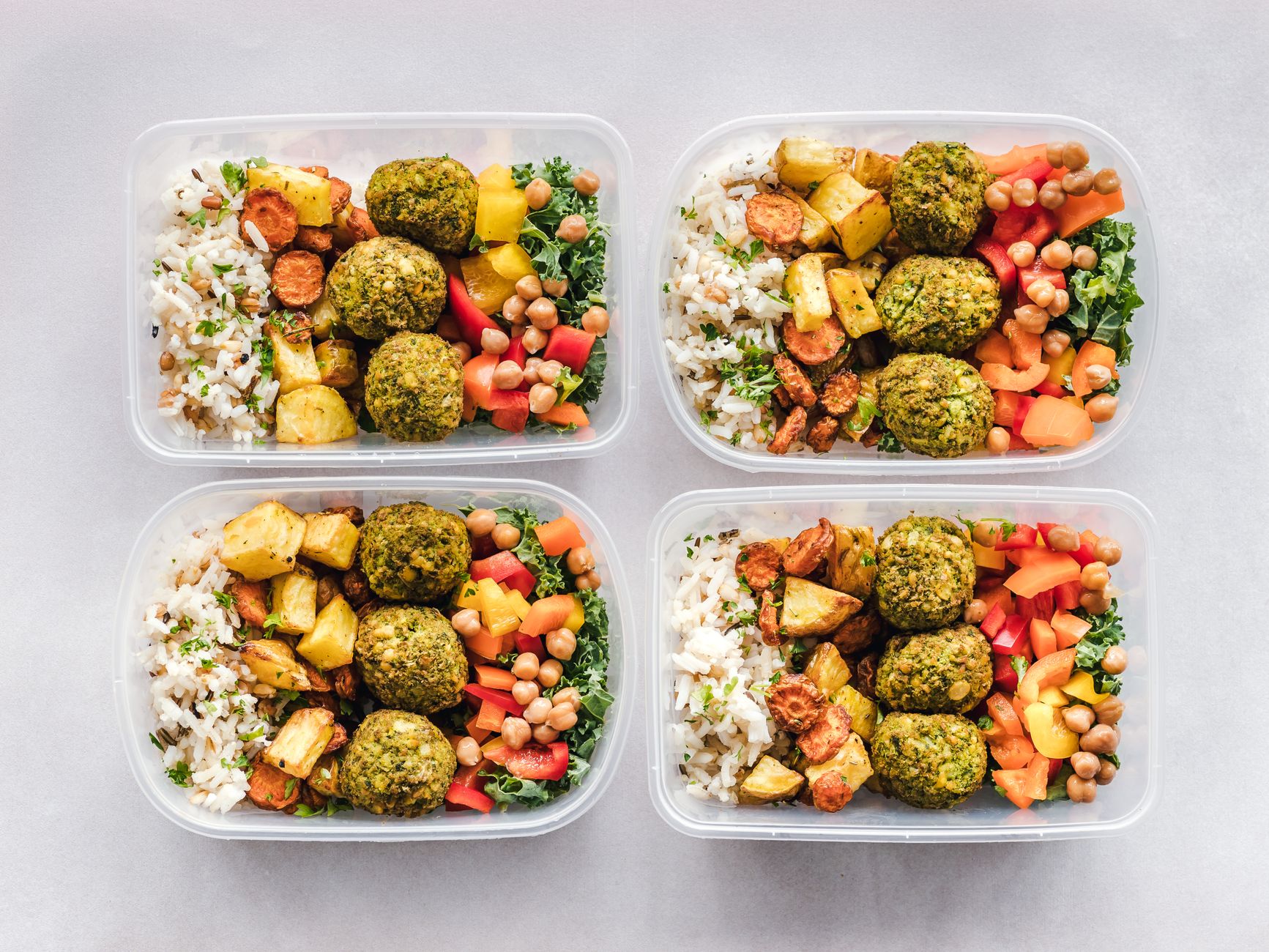
Understanding what to eat in a day can provide valuable insights into nutrition, flavor profiles, and meal optimization. This article explores a full day’s meal plan, offering practical tips for balanced eating, meal prep suggestions, and an understanding of the ingredients used. By the end, you’ll have a clearer vision of how to structure your own meals around essential nutrients and satisfying flavors.
Eating well doesn’t have to be complicated. Here, you will discover a sample menu including breakfast, lunch, dinner, and snacks, along with practical ideas for ingredient substitutes, flavor enhancements, and meal prep strategies. Let’s delve into what a comprehensive meal plan might look like!
What Do I Eat in a Day?
In a day, a balanced meal plan typically includes three main meals—breakfast, lunch, and dinner—along with healthy snacks to maintain energy levels. Each meal should incorporate various food groups to ensure nutrient diversity.
Sample Daily Meal Plan
This sample meal plan will illustrate a balanced diet that integrates whole foods, lean proteins, healthy fats, and plenty of fruits and vegetables. Feel free to swap ingredients or adjust portion sizes to suit your personal preferences or dietary needs.
Breakfast: Protein-Packed Scramble
Breakfast sets the stage for the day, and a protein-packed scramble is an excellent way to start. This dish combines scrambled eggs, sautéed vegetables, and a side of avocado toast, providing a nutritious and filling meal.
Yield: 1 serving
Preparation Time: 10 minutes
Cooking Time: 10 minutes
Total Time: 20 minutes
Ingredients:
- 2 large eggs
- ¼ cup bell pepper, diced
- ¼ cup spinach, chopped
- ½ avocado
- 1 slice of whole-grain bread
- Salt and pepper to taste
- Olive oil for cooking
Essential Equipment:
- Non-stick frying pan
- Spatula
- Toaster
Method:
- Heat olive oil in a non-stick frying pan over medium heat.
- Add the diced bell pepper and sauté for 2-3 minutes until softened.
- Add chopped spinach and cook for another minute until wilted.
- In a bowl, whisk the eggs and season with salt and pepper. Pour eggs into the pan.
- Stir gently as the eggs cook, until just set but still creamy.
- While the scramble cooks, toast the slice of whole-grain bread.
- Slice the avocado and top the toast. Season with salt and pepper.
- Serve the scramble alongside avocado toast.
This breakfast is rich in protein and healthy fats, keeping you full for longer and supplying essential nutrients. If you prefer a vegetarian option, consider replacing eggs with tofu or chickpeas, which provide a similar protein punch.
Mid-Morning Snack: Chia Pudding
A mid-morning snack can help maintain energy levels until lunch. Chia pudding is a popular choice due to its ease of preparation and nutrient density.
Ingredients:
- 3 tablespoons chia seeds
- 1 cup coconut milk (or dairy/non-dairy milk of choice)
- 1 tablespoon honey or maple syrup (optional)
- Fresh fruit for topping (berries, banana, etc.)
Method:
- In a bowl or jar, combine chia seeds and coconut milk. Stir well to prevent clumps.
- Sweeten with honey or maple syrup if desired.
- Cover and refrigerate overnight for at least 4 hours, or until it thickens to a pudding-like consistency.
- Before serving, stir the pudding and add fresh fruit on top.
Chia seeds are a great source of omega-3 fatty acids, fiber, and protein. You can customize your pudding with various toppings like nuts, seeds, or granola for added texture.
Lunch: Quinoa Salad Bowl
A refreshing quinoa salad bowl is perfect for lunch, offering a satisfying mix of flavors and textures. It’s also highly customizable depending on seasonal vegetables and personal preferences.
Yield: 2 servings
Preparation Time: 15 minutes
Cooking Time: 15 minutes
Total Time: 30 minutes
Ingredients:
- 1 cup quinoa, rinsed
- 2 cups vegetable broth or water
- 1 cup cherry tomatoes, halved
- ½ cucumber, diced
- 1 bell pepper, diced
- ¼ red onion, diced
- ¼ cup feta cheese (optional)
- ¼ cup olive oil
- 2 tablespoons balsamic vinegar
- Salt and pepper to taste
Essential Equipment:
- Medium pot
- Mixing bowl
- Spoon for stirring
Method:
- In a medium pot, combine quinoa and vegetable broth (or water). Bring to a boil.
- Reduce heat, cover, and simmer for 15 minutes until quinoa is fluffy and liquid is absorbed.
- Let quinoa cool for a few minutes, then transfer it to a mixing bowl.
- Add cherry tomatoes, cucumber, bell pepper, and red onion. Toss to combine.
- In a small bowl, whisk olive oil and balsamic vinegar. Pour over the salad and mix well.
- Top with feta cheese, if desired, and season with salt and pepper.
This quinoa salad bowl is packed with protein, fiber, and essential vitamins, making lunch a nourishing meal. For variation, swap out quinoa for other grains like brown rice, or add canned beans for extra protein and texture.
Afternoon Snack: Hummus and Veggies
The afternoon can often lead to cravings. A simple snack of hummus paired with fresh vegetables offers a healthy and satisfying option.
Ingredients:
- 1 cup homemade or store-bought hummus
- Carrot sticks
- Cucumber slices
- Celery sticks
- Bell pepper strips
This snack is high in fiber and pairs protein from the hummus with various vitamins from the fresh veggies.
Dinner: Grilled Salmon with Asparagus
Dinner wraps up the day with a delicious grilled salmon dish, making use of seasonal vegetables like asparagus. This meal is flavorful, rich in healthy fats, and quick to prepare.
Yield: 2 servings
Preparation Time: 10 minutes
Cooking Time: 15 minutes
Total Time: 25 minutes
Ingredients:
- 2 salmon fillets
- 1 bunch asparagus, trimmed
- 2 tablespoons olive oil
- 1 lemon, sliced
- Salt and pepper to taste
- Fresh dill for garnish (optional)
Essential Equipment:
- Grill or grill pan
- Cooking tongs
- Serving platter
Method:
- Preheat the grill or grill pan over medium heat.
- Drizzle salmon fillets and asparagus with olive oil, and season with salt and pepper.
- Place salmon and asparagus on the grill. Cook salmon for about 4-5 minutes per side, depending on thickness, and asparagus for about 6-8 minutes, turning occasionally.
- Remove from heat, and serve with lemon slices on top and garnish with dill, if desired.
This delicious dinner option is rich in omega-3 fatty acids and provides important nutrients. If salmon isn’t available, you can easily substitute with other fish like trout or chicken breast.
Dessert: Greek Yogurt Parfait
A sweet end to the day can be achieved with a Greek yogurt parfait, layered with granola and fresh fruit. This dessert is both satisfying and nutritious.
Ingredients:
- 1 cup Greek yogurt (plain or flavored)
- ½ cup granola
- 1 cup mixed berries (blueberries, strawberries, raspberries)
- Honey or maple syrup (optional)
Method:
- In a glass or bowl, layer half of the Greek yogurt.
- Add a layer of granola, followed by a layer of mixed berries.
- Repeat the layers until you reach the top, ending with berries.
- Drizzle honey or maple syrup on top if desired.
This dessert is a blissful combination of probiotics from the yogurt, fiber from the granola, and antioxidants from the berries. You can vary the fruit based on availability and personal preference.
Meal Prep Strategies
Preparing meals ahead of time can simplify your week, reduce stress, and encourage healthy eating habits. Below are some practical tips for effective meal prep.
Choosing Base Ingredients
Base ingredients like grains (quinoa, brown rice), proteins (chicken, tofu, beans), and a variety of vegetables can be prepared in bulk to mix and match throughout the week. Here are some ideas:
- Cook a large batch of quinoa and store it in the refrigerator.
- Roast a variety of vegetables for snacks and salads.
- Grill chicken or bake tofu for protein portions.
Portion Control
Consider using containers to portion out meals for the week. This not only helps control serving sizes but ensures that healthy options are readily available when hunger strikes.
Flavor Enhancements
Utilize herbs, spices, and dressings to enhance the flavor of basic ingredients. Preparing small jars of homemade dressings can elevate simple greens or grains, keeping meals interesting.
Ingredient Substitutions
Ingredient substitutions offer a way to customize meals according to dietary preferences, allergies, or simply what you have on hand. Here are some practical substitutions:
Eggs
- For scrambled eggs: Use silken tofu or chickpea flour mixed with water for a vegan alternative.
Quinoa
- Can be replaced with bulgur, farro, or brown rice.
Dairy Products
- Greek yogurt can be substituted with coconut yogurt for a dairy-free option.
- Feta cheese can be replaced with almond feta or omitted entirely.
Common Mistakes to Avoid
When planning daily meals, certain pitfalls can lead to less-than-ideal outcomes.
- Neglecting to balance macronutrients can leave you feeling unsatisfied.
- Using overly complex recipes can overwhelm your time and skill level.
- Skipping snacks may lead to overeating during meals; balance is key.
Maintaining a daily meal plan is about finding what works best for you, enjoying the foods you love, and nourishing your body.
Conclusion
Structuring what you eat in a day can transform your eating habits into a more balanced and enjoyable experience. This detailed plan covers meals, ingredients, preparation strategies, and practical substitutions to suit your individual needs.
Take a moment to experiment with these meals and adapt them as necessary. You may discover new favorites or unique combinations that better align with your lifestyle. For those looking to enhance their cooking skills or explore more ingredient options, check out our guides on making chicken stock and creating delicious chia pudding with coconut milk.