
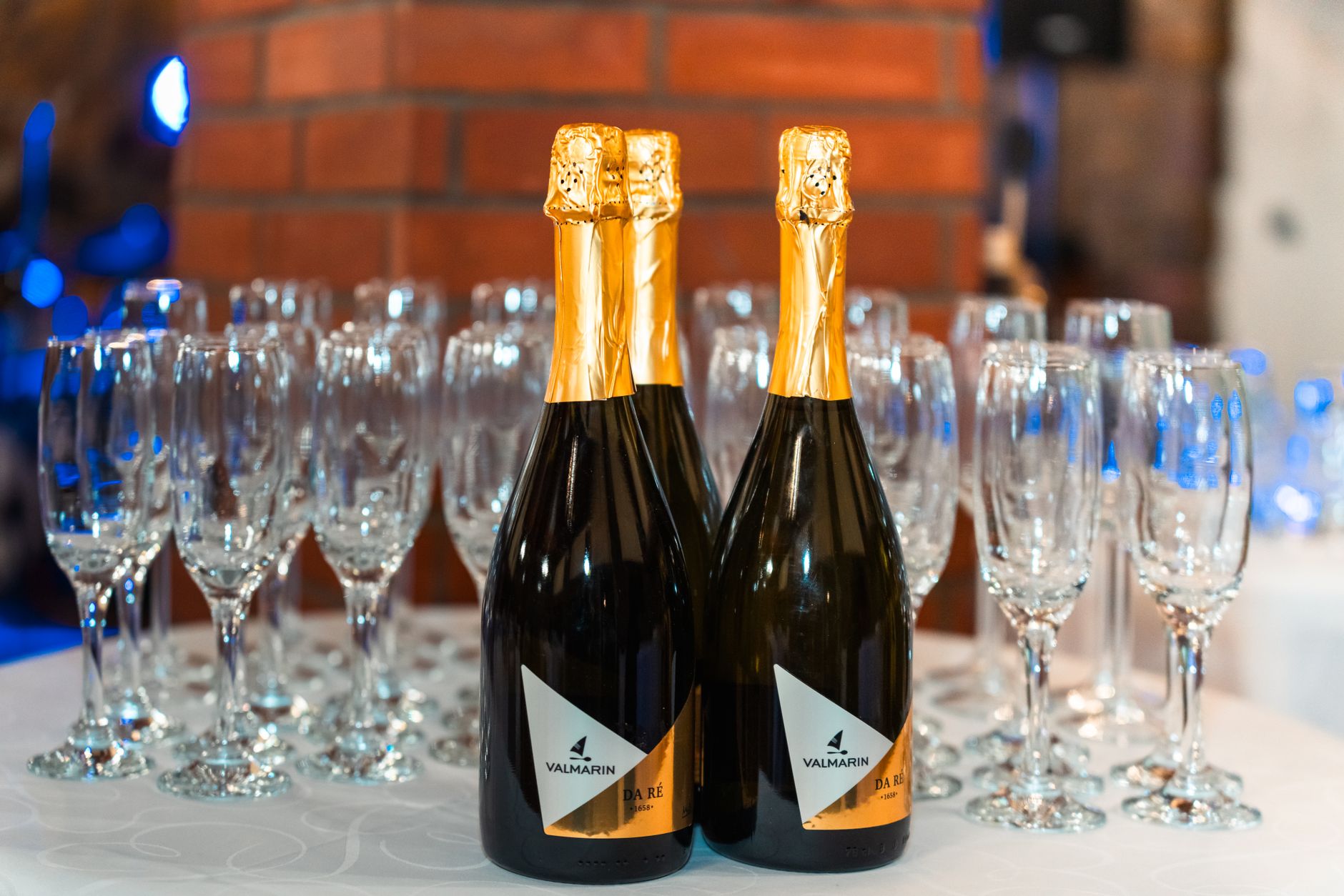
Champagne is often regarded as a luxurious beverage, ideal for celebrating life’s special moments. However, many enthusiasts and casual drinkers alike may wonder about its longevity and whether it expires. Understanding the storage methods, shelf life, and spoilage signs of Champagne can help you enjoy this delightful drink at its best.
This article delves into the question: does Champagne expire? We’ll explore its storage times, how to properly keep it fresh, and the signs that indicate a bottle may not be drinkable. With this knowledge, you can ensure that you maximize every sip and pop!
Does Champagne Expire?
Champagne does not technically expire but can deteriorate in quality over time. Once opened, it has a limited shelf life due to exposure to air. Unopened, high-quality Champagne can be stored for many years if kept under optimal conditions. However, knowing when it might be best to drink or discard it is essential.
The Longevity of Champagne: Unopened vs. Opened
Understanding how long Champagne lasts in both opened and unopened states is crucial for anyone looking to enjoy this sparkling wine. Here is a breakdown:
Unopened Champagne
Unopened Champagne can last quite a long time, but various factors such as type and storage conditions play a significant role. Here are some general guidelines:
- Non-Vintage Champagne: Best consumed within 3 to 5 years after production.
- Vintage Champagne: Can last much longer, typically 5 to 10 years, or even longer if stored properly.
- Prestige Cuvée Champagne: These high-end bottles can last over a decade if kept in suitable conditions.
Opened Champagne
Once you’ve popped the cork, the clock starts ticking. Opened Champagne is best enjoyed within:
- 1 to 3 Days: After opening, Champagne retains its carbonation and flavor for approximately three days if resealed properly.
Using a Champagne stopper can help maintain its fizz, while traditional corks allow too much oxygen in, leading to quicker spoilage.
Factors Affecting Champagne Longevity
Storage Conditions
Where and how you store Champagne is crucial for its longevity. Follow these guidelines:
- Temperature: Ideally, Champagne should be stored at a constant temperature between 45°F and 65°F (7°C to 18°C).
- Humidity: Aim for a humidity level around 70%. Too dry can cause corks to shrink, letting air in.
- Lighting: Store Champagne away from light, especially direct sunlight, as UV rays can damage the wine.
- Position: Store bottles horizontally to keep the cork moist, which helps maintain its seal.
Quality of Champagne
The initial quality of the Champagne also plays a role in how long it lasts. Higher-end selections, such as vintage or prestige cuvée Champagnes, are generally designed to age gracefully, while lower-quality options may not hold up as well over time.
Signs Your Champagne Has Spoiled
Appearance
Examine the Champagne for any signs of sediment or cloudiness. While minimal sediment is normal in some age-aged bottles, excessive cloudiness is a bad indication.
Aroma
Pour the Champagne into a glass and give it a sniff. A fresh Champagne will have fruity, floral, and bubbly notes. If you detect off smells such as vinegar or mustiness, it’s best to err on the side of caution and discard it.
Taste
Last but not least, the taste can tell you a lot. If there’s a flat or overly sour taste, the Champagne may have gone bad. Good Champagne should still have a pleasant fizz and balance of flavors.
How to Store Champagne Correctly
For Unopened Champagne
- Store in a cool, dark place away from heat sources such as stoves or radiators.
- Keep the bottles on their side to help maintain moisture in the cork.
- Avoid storing Champagne in the refrigerator for extended periods; reserve that for short-term storage.
For Opened Champagne
- Immediately reseal the bottle with a specialized Champagne stopper to maintain carbonation.
- Store the opened bottle in the refrigerator to slow down spoilage.
- Consume within 1 to 3 days for the best flavor and fizz.
Can You Freeze Champagne?
While some might consider freezing Champagne to prolong its life or save it for later, this is not advisable. Freezing can damage the wine and alter its flavor profile, leading to a less enjoyable experience. Instead, focus on proper storage techniques to enjoy your Champagne fresh and sparkling.
Common Myths About Champagne
Myth: All Champagne Can Be Stored Indefinitely
While unopened bottles can last for years, they do not last forever. Both the type of Champagne and the storage conditions ultimately determine its longevity.
Myth: Champagne Must Be Served Ice Cold
While it’s true that Champagne tastes delightful when chilled, serving temperatures can vary. Many experts recommend a serving temperature of 50°F to 55°F (10°C to 13°C) for better flavor appreciation.
Myth: Cork Shape Indicates Quality
Some believe that the shape of the cork (whether natural or synthetic) reflects the quality of the wine, but this is not a reliable indicator. Quality varies based on many factors, including the vineyard and production method.
Conclusion
Explore more about food storage techniques in our guides on whether Chia Seeds Expire and find out if Food Coloring Can Expire!