
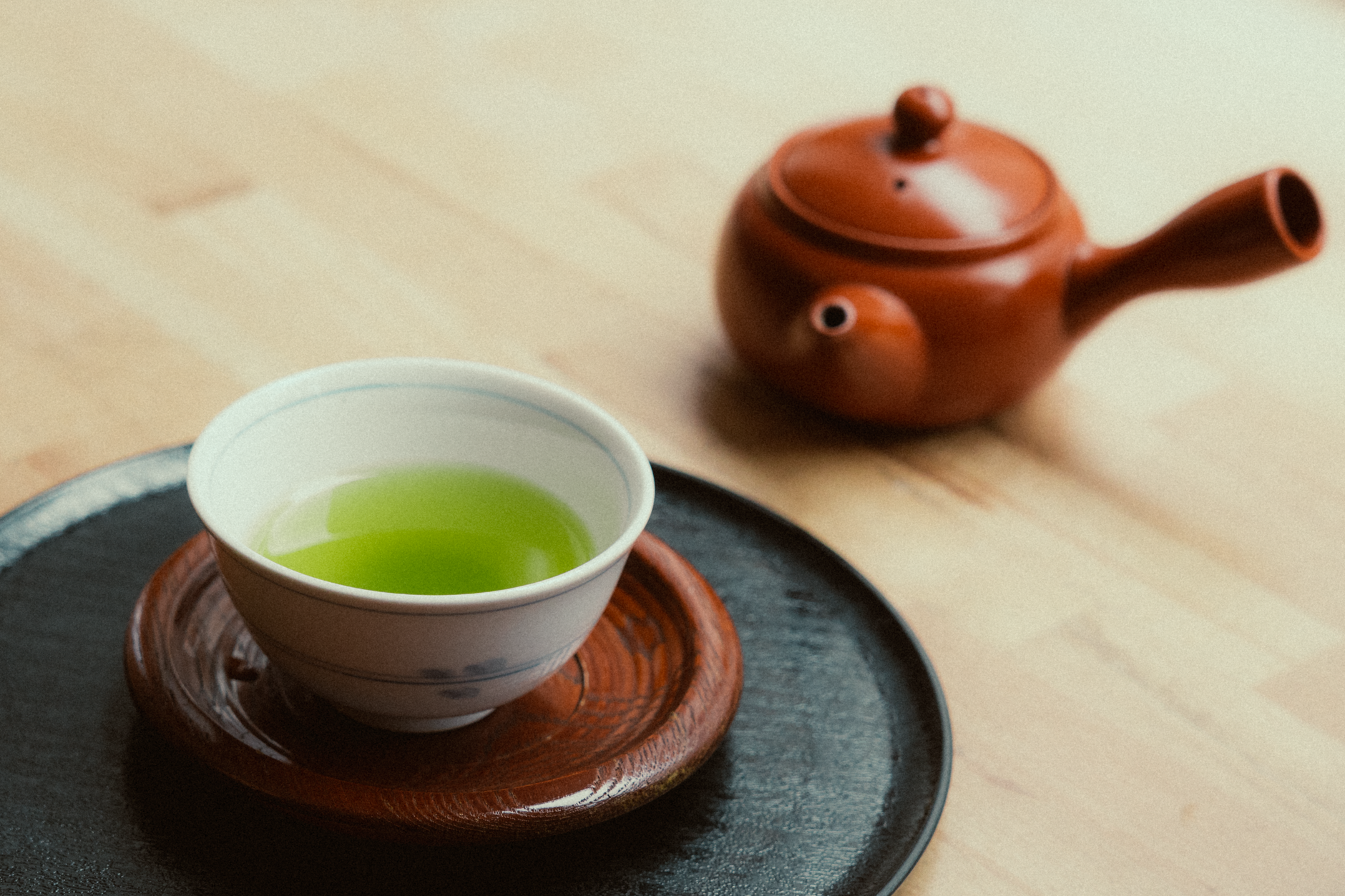
Green tea has gained immense popularity for its subtle flavor and numerous health benefits. However, many people wonder about the amount of caffeine it contains, especially when considering other beverages like coffee or black tea. In this article, we will explore how much caffeine is in a cup of green tea, factors influencing its caffeine content, and how it compares to other beverages.
For tea enthusiasts and health-conscious consumers alike, understanding caffeine levels is vital for managing daily intake. We will also delve into the benefits of green tea, practical brewing tips, and different varieties available, ensuring you have all the information needed to enjoy the perfect cup of green tea.
How Much Caffeine Is In A Cup Of Green Tea?
A typical cup of green tea (about 8 ounces) contains between 20 to 45 milligrams of caffeine. This amount can vary based on factors like the type of green tea, brewing time, water temperature, and the tea leaf blend. Generally, green tea has lower caffeine content compared to black tea and coffee, making it a popular choice for those looking to reduce caffeine intake without sacrificing flavor.
Factors Influencing Caffeine Content
When it comes to the caffeine content in green tea, several factors come into play:
1. Type of Green Tea
There are numerous varieties of green tea, each with different caffeine levels. For example:
- Matcha: This powdered green tea has a higher caffeine content, averaging around 70 mg per 8-ounce serving, as it uses whole tea leaves.
- Sencha: This popular Japanese green tea generally contains 30-60 mg of caffeine per cup.
- Gyokuro: Another Japanese variety, gyokuro can have caffeine levels around 35-70 mg due to its shaded growing method.
- Bancha: A lower-grade Japanese green tea, usually has lower caffeine levels, around 20-30 mg.
2. Brewing Time
The longer you steep your green tea, the more caffeine will be extracted from the leaves. Generally, a brewing time of 2 to 3 minutes allows for a balanced flavor while limiting excessive caffeine release. Extending the steeping time to 5 minutes or more will yield a stronger brew with higher caffeine.
3. Water Temperature
Different water temperatures affect the extraction of caffeine. Green tea is best brewed at lower temperatures (around 160°F to 180°F). Using boiling water (212°F) may cause too much caffeine to be extracted and can lead to a bitter taste.
4. Leaf to Water Ratio
The amount of tea leaves used can also impact the caffeine level. Using more leaves per cup will lead to higher caffeine content. A standard recommendation is one teaspoon of loose leaves per cup of water. Adjusting this ratio can help tailor the caffeine level to your preference.
Comparing Caffeine Content: Green Tea vs. Other Beverages
Understanding how green tea’s caffeine content stacks up against other popular beverages can provide a clearer picture:
| Beverage | Caffeine Content (per 8 oz) |
|---|---|
| Green Tea | 20-45 mg |
| Black Tea | 40-70 mg |
| Coffee (Brewed) | 95-200 mg |
| Espresso | 63 mg |
| Herbal Tea | 0 mg |
Benefits of Green Tea
Aside from its caffeine content, green tea is steeped in health benefits, making it a worthwhile addition to your diet. Here are some potential benefits:
1. Antioxidant Properties
Green tea is rich in antioxidants, particularly catechins, which can help combat oxidative stress in the body. This may contribute to better overall health and reduced risks of certain diseases.
2. Supports Metabolism
Some studies suggest that green tea can boost metabolic rate and aid in fat burning, making it a popular choice among those looking to manage weight.
3. Improves Brain Function
The caffeine in green tea can improve attention, reaction time, and memory. Additionally, it contains L-theanine, an amino acid that promotes relaxation without inducing drowsiness.
4. Promotes Heart Health
Regular consumption of green tea has been linked to improved cardiovascular health, with some studies suggesting that it can lower cholesterol levels and improve circulation.
Brewing the Perfect Cup of Green Tea
Brewing green tea properly is essential for maximizing its flavor and benefits. Here’s a simple guide to creating the perfect cup:
Essential Equipment
- Teapot or cup
- Tea strainer (if using loose leaf tea)
- Kettle with temperature settings
- Measuring spoons
Brewing Steps
- Heat the Water: Heat filtered water to about 160°F to 180°F. Avoid boiling water, as it can make the tea bitter.
- Measure the Tea: Use one teaspoon of loose green tea leaves or one tea bag per 8-ounce cup.
- Steep: Pour the heated water over the tea leaves. Allow the tea to steep for 2 to 3 minutes for optimal flavor. Adjust the time for stronger or lighter tea as desired.
- Strain and Serve: If using loose leaves, strain the tea into your cup. Enjoy it as is or add lemon, honey, or mint for a twist.
Practical Tips for Enjoying Green Tea
- Keep it Fresh: Store green tea in an airtight container away from light, heat, and moisture to maintain its flavor and prevent loss of nutrients.
- Try Different Varieties: Experiment with various green tea types (e.g., Japanese, Chinese, or flavored blends) to find your favorite.
- Cold Brew: For a refreshing alternative, consider cold brewing green tea by steeping it in cold water for several hours.
- Monitor Caffeine Intake: Be mindful of how green tea fits into your overall caffeine consumption, especially if you drink other caffeinated beverages.
Common Mistakes When Brewing Green Tea
While brewing green tea may seem simple, there are common pitfalls to avoid:
1. Using Boiling Water
Boiling water can scorch the leaves, resulting in a bitter taste. As mentioned, aim for a temperature of 160°F to 180°F.
2. Oversteeping
Leaving tea to steep for too long can lead to bitterness. Stick to the recommended 2-3 minutes for the best flavor.
3. Using Low-Quality Tea
Quality matters! Opt for high-quality loose leaf tea or reputable tea bags for a more flavorful and healthful experience.
4. Not Experimenting
Don’t be afraid to adjust the leaf-to-water ratio or steeping time according to your taste preferences!
Storing and Preserving Green Tea
Properly storing green tea can help preserve its quality and flavor. Here are a few guidelines:
- Air-tight Containers: Use an air-tight container made from opaque material to prevent exposure to light and air.
- Cool, Dry Place: Store the container in a cool, dry place, away from heat sources such as stoves or ovens.
- Avoid Freezing: Freezing can lead to moisture buildup, which can ruin the tea. Stick to room temperature storage instead.
Conclusion
In summary, green tea is a delightful beverage that offers a moderate caffeine content, making it an excellent alternative for those looking to limit their intake. With its unique flavor and various health benefits, mastering brewing techniques can elevate your tea experience.
Now that you’re informed about caffeine levels and the delightful nuances of green tea, why not experiment with brewing? Try finding your favorite variety or adapting your steeping technique to enjoy all that this versatile tea has to offer.
Explore related recipes and tips, such as learning about caffeine in chai tea or discovering which tea has the most caffeine.