
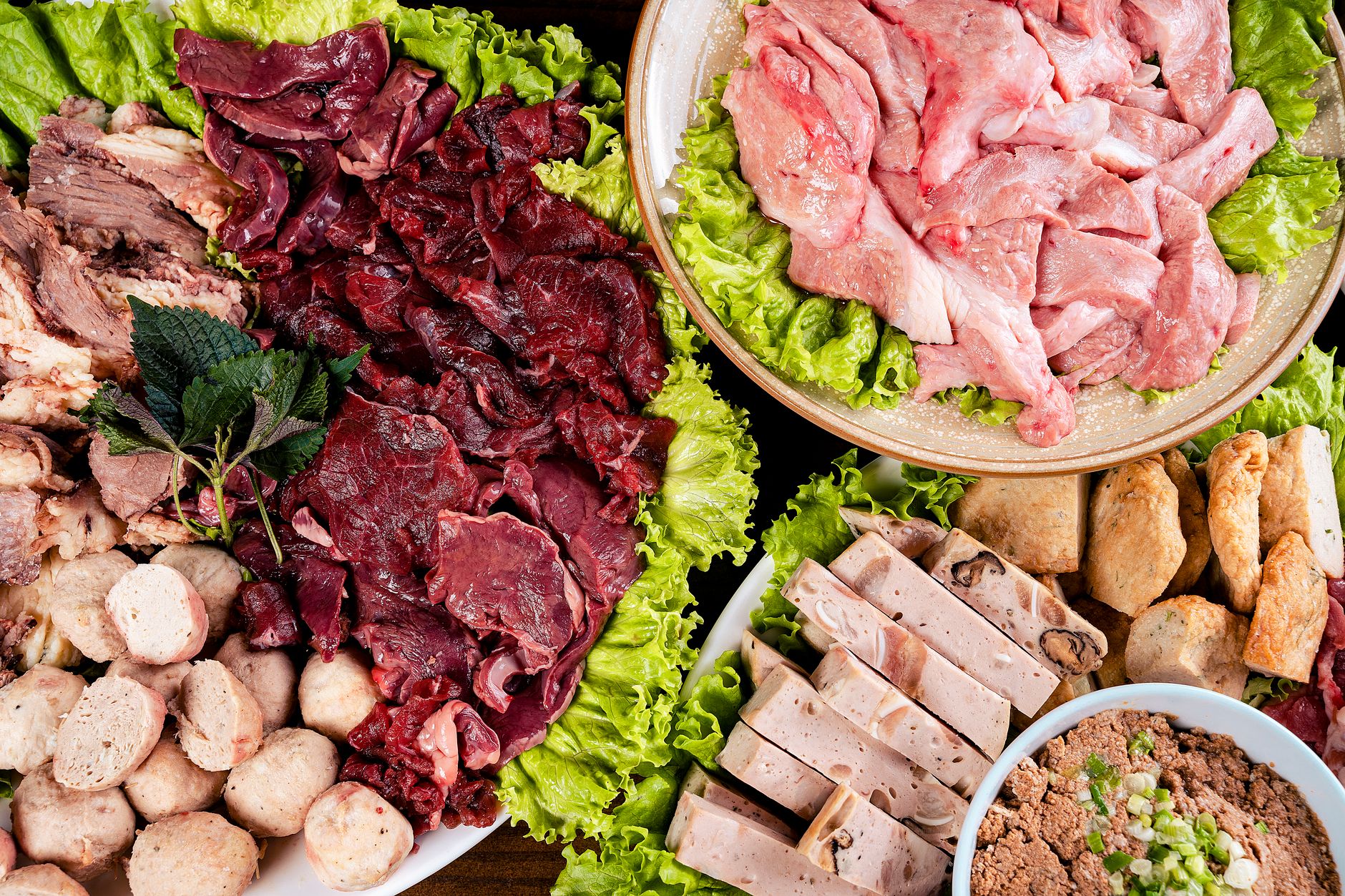
Iron plays a crucial role in human health, contributing to energy production, immune function, and overall well-being. Finding foods rich in iron is essential for maintaining optimal health, especially for those at risk of deficiency. This guide provides an in-depth look at various iron-rich foods, their types, how to prepare them, and tips for enhancing iron absorption.
Incorporating iron-rich foods into your diet can help improve energy levels and promote better overall health. Whether you’re a meat lover, vegetarian, or vegan, options abound for every dietary preference. Understanding these foods can assist you in meal planning and improve nutritional balance.
What Are Iron-Rich Foods?
Iron-rich foods contain significant amounts of iron, which is essential for the production of hemoglobin, the protein in red blood cells that carries oxygen throughout the body. These foods can be classified into two categories based on their iron content: heme iron and non-heme iron.
Heme Iron vs. Non-Heme Iron
Heme iron is primarily found in animal products, with higher absorption rates, while non-heme iron is found in plant-based foods. Here’s a deeper look:
- Heme Iron: This type of iron is found in red meats, poultry, and fish. The body absorbs heme iron more efficiently, making it a superior source.
- Non-Heme Iron: Found in plant-based foods and fortified products, non-heme iron is not absorbed as well as heme iron. Sources include beans, lentils, but also certain grains and vegetables.
Top Iron-Rich Foods
Understanding the variety of iron-rich foods can help you include them in your diet. Below is a comprehensive list of foods categorized by their types.
Animal Sources of Iron
- Red Meat: Beef, lamb, and pork are excellent sources of heme iron. A 3-ounce serving of cooked beef provides about 2.1 mg of iron.
- Poultry: Chicken and turkey also contain heme iron, with about 1.1 mg per 3-ounce serving, primarily found in dark meat.
- Fish and Shellfish: Tuna, salmon, sardines, mussels, and oysters provide heme iron, with oysters being particularly high, offering about 8 mg per 3 ounces.
- Organ Meats: Liver, especially from beef and chicken, is one of the richest sources, providing up to 5.2 mg of iron per ounce.
Plant Sources of Iron
- Legumes: Lentils, chickpeas, and beans (kidney and black beans) are great sources of non-heme iron. One cup of cooked lentils has about 6.6 mg of iron.
- Tofu: A versatile plant protein, tofu contains about 3.4 mg of iron per 100 grams, making it an excellent option for vegetarians.
- Nuts and Seeds: Pumpkin seeds, sesame seeds, and cashews are all rich in iron. For instance, a quarter-cup of pumpkin seeds provides about 2.5 mg of iron.
- Whole Grains: Quinoa, fortified cereals, and oatmeal are good sources, with one cup of cooked quinoa containing roughly 2.8 mg of iron.
- Dark Leafy Greens: Spinach, Swiss chard, and kale are filled with non-heme iron, providing about 6.4 mg per cooked cup of spinach.
Enhancing Iron Absorption
The body’s absorption of non-heme iron can be significantly affected by other dietary components. Here are some tips to enhance iron absorption:
Consume Vitamin C-Rich Foods
Foods high in vitamin C can boost the absorption of non-heme iron. Include citrus fruits, strawberries, bell peppers, and broccoli in your meals for this benefit.
Avoid Certain Compounds with Iron
Phytates (found in whole grains and legumes), calcium (from dairy products), and polyphenols (in tea and coffee) can inhibit iron absorption. To maximize iron intake, try to consume these separately from iron-rich meals.
Cooking Techniques
Cooking in cast-iron cookware can increase the iron content of foods, especially acidic foods like tomato sauces that can leach some iron from the pan.
Meal Planning with Iron-Rich Foods
Incorporating iron-rich foods into your meal plans can be straightforward with a bit of organization. Here’s how you can create a balanced weekly menu.
Sample Meal Plan
| Day | Breakfast | Lunch | Dinner |
|---|---|---|---|
| Monday | Oatmeal topped with almonds and orange slices | Spinach salad with grilled chicken and strawberries | Beef stir-fry with broccoli and quinoa |
| Tuesday | Smoothie with spinach, banana, and fortified almond milk | Lentil soup with whole-grain bread | Grilled salmon with roasted Brussels sprouts |
| Wednesday | Scrambled eggs with sautéed spinach | Chickpea salad with cherry tomatoes and parsley | Pork tenderloin with baked sweet potatoes |
| Thursday | Whole grain cereal with berries | Quinoa bowl with black beans and avocado | Vegetarian chili with kidney beans |
| Friday | Greek yogurt with pumpkin seeds | Tuna sandwich on whole grain bread | Chicken curry with brown rice |
Iron-Rich Snack Ideas
Snacking can also be an integral part of maintaining iron levels. Here are some quick and easy snack ideas:
- Trail mix with nuts and dried fruit.
- Dried apricots or figs for a sweet treat.
- Whole grain toast with hummus.
- Dark chocolate (over 65% cocoa) for a rich flavor.
- Roasted chickpeas seasoned with spices.
Common Mistakes
When it comes to incorporating iron-rich foods into your diet, several common mistakes can reduce effectiveness:
- Focusing only on one type of iron. Include a mix of both heme and non-heme iron sources.
- Not considering vitamin C levels. Always pair non-heme iron sources with vitamin C-rich foods.
- Relying solely on supplements without a balanced diet. Food sources offer additional beneficial compounds.
Special Considerations
Certain populations may have higher iron needs, including pregnant women, growing children, and those with specific health conditions. It’s essential to understand individual needs and adjust dietary intake accordingly.
Vegetarians and Vegans
For individuals following vegetarian or vegan diets, it’s vital to emphasize non-heme iron sources. Foods like lentils, beans, tofu, and fortified cereals should be staples. Combining these with vitamin C-rich foods enhances absorption significantly.
Testing for Iron Levels
If you suspect an iron deficiency, it’s crucial to consult a healthcare provider. They may recommend blood tests to measure hemoglobin levels or ferritin levels, a marker of iron stores in the body.
How to Store Iron-Rich Foods
Proper storage of iron-rich foods can help maintain their nutritional integrity. Here are some tips:
- Store whole grains in airtight containers to protect them from moisture and pests.
- Keep canned beans and legumes in a cool, dry place. After opening, refrigerate any leftovers and use them within a few days.
- Fresh meats should be stored in the refrigerator and used within a few days to avoid spoilage.
- Vegetables, particularly dark leafy greens, should be kept in the refrigerator and consumed promptly for maximum nutrients.
Conclusion
Eating iron-rich foods is essential to maintaining adequate energy levels and overall health. By understanding the sources of iron, enhancing absorption, and planning balanced meals, you can support your body’s iron needs effectively. Start adding some of these iron-rich foods to your meals today, and consider how they can work into your diet.
Explore related recipes, cooking tips, or food guides, such as what has iron and how much protein in spinach.