
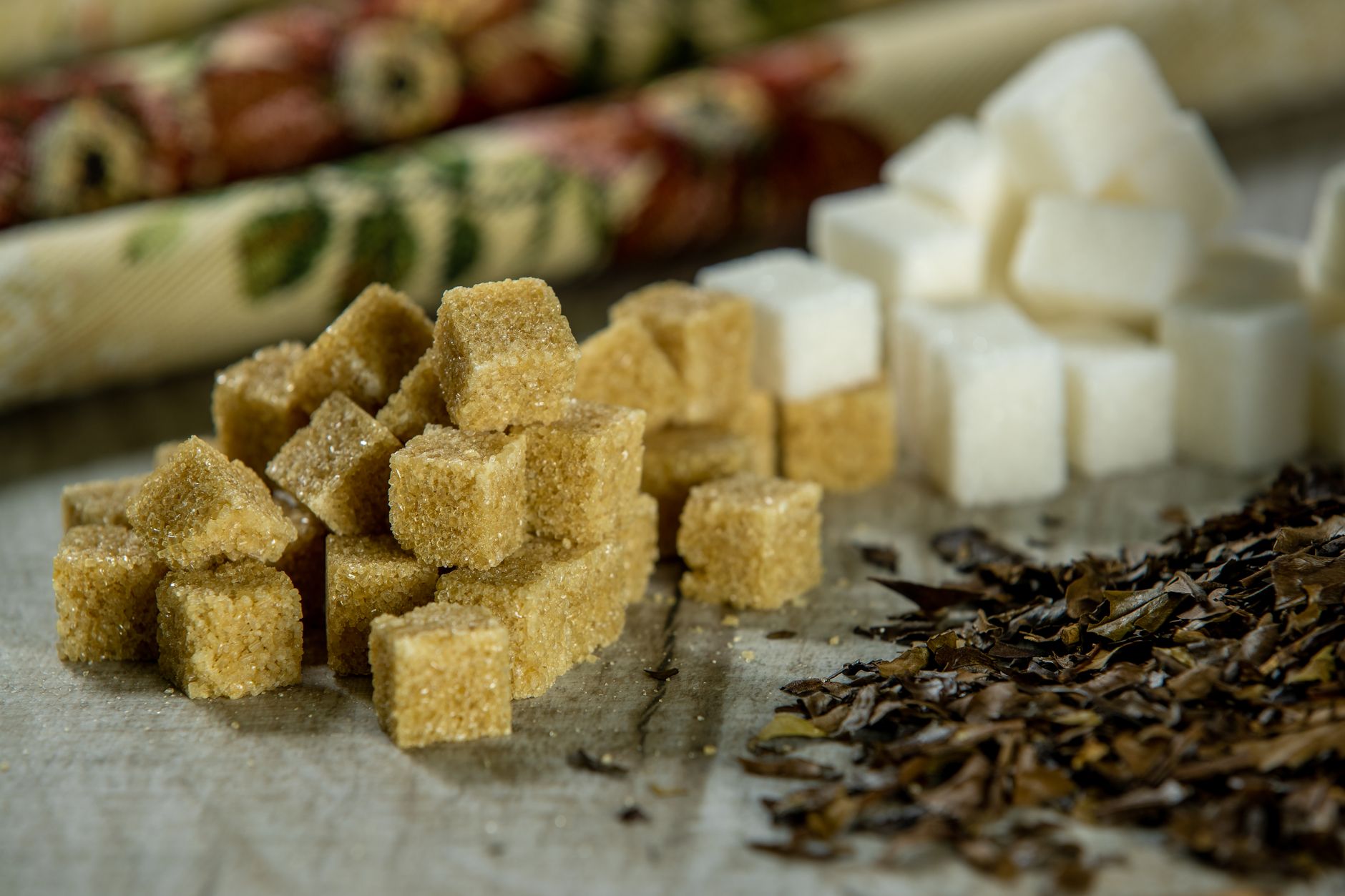
Brown sugar and white sugar often compete in the pantry, each bringing distinct flavors and textures to culinary creations. Understanding the differences between them can help inform healthier choices in the kitchen. This article delves into whether brown sugar is truly healthier than white of sugar, looking at their composition, uses, and overall impact on health.
While both sugars serve the same purpose as sweeteners, their processing, flavor profiles, and nutrient content differ. Here, we will outline their characteristics, explore the implications of their consumption, and provide practical insights for better sugar choices.
Is Brown Sugar Healthier Than White Sugar?
Brown sugar is often dubbed healthier than white sugar due to its minimal processing and the presence of molasses. However, the health benefits are somewhat limited. The nutritional differences are small and may not significantly impact overall health if consumed in moderation.
The Basics: What Is Brown Sugar and White Sugar?
Brown sugar is essentially white sugar that contains molasses, giving it its characteristic color and flavor. It’s available in two main varieties: light brown sugar and dark brown sugar. Light brown sugar has less molasses, while dark brown sugar has a more significant amount, providing a stronger taste.
White sugar, on the other hand, is refined and processed to remove all molasses, resulting in a pure, sweet product. Both sugars are primarily made of sucrose and provide similar caloric content, roughly 15 to 16 calories per teaspoon.
Nutritional Comparison
When considering health, it’s essential to compare the nutritional aspects of brown and white sugar.
| Nutrient | Brown Sugar (1 tsp) | White Sugar (1 tsp) |
|---|---|---|
| Calories | 15 | 16 |
| Carbohydrates | 4 g | 4 g |
| Calcium | 1% DV | 0% DV |
| Iron | 1% DV | 0% DV |
As shown, brown sugar has slightly more nutrients, including trace amounts of calcium and iron due to the molasses content. Despite these differences, the quantity one would typically consume in a serving isn’t enough to rely on for significant nutritional benefits.
Taste Differences and Culinary Uses
The flavor profile of brown sugar differs markedly from white sugar. Brown sugar has a rich, caramel-like flavor due to the molasses, while white sugar is purely sweet without any additional flavor notes.
This flavor difference affects the way sugars are used in cooking and baking:
- Brown sugar is often used in recipes for cookies, baked beans, barbecue sauces, and cakes, where a deeper flavor is desired.
- White sugar is used in most confections and desserts where a clean sweetness is preferred, such as in meringues or whipped creams.
Which Sugar Is Better for Baking?
When it comes to baking, the choice between brown sugar and white sugar can affect not only flavor but also texture. Brown sugar retains moisture due to the molasses, making baked goods chewy and soft, while white sugar produces crisp textures.
For instance, chocolate chip cookies made with brown sugar often yield a softer, chewier result compared to those made with white sugar, which tend to be more crunchy. In some recipes, you can even modify the sugar type in combination for balanced results.
Health Implications of Sugar Consumption
Regardless of the type of sugar, excessive sugar intake can lead to health problems such as obesity, diabetes, and heart disease. It’s crucial to consume both white and brown sugars in moderation.
Some specific health implications include:
- Obesity: Sugary foods and drinks are high in calories and can contribute to weight gain.
- Increased Risk of Type 2 Diabetes: High sugar intake can impair insulin sensitivity.
- Heart Disease: Excessive sugar has been linked with higher triglycerides and blood pressure levels.
Natural Alternatives for Sweetening
For those looking to reduce added sugar in their diets, several natural alternatives can be considered:
- Honey: Offers distinct flavors and vitamins.
- Maple Syrup: Contains minerals and adds a unique taste to dishes.
- Agave Nectar: Has a low glycemic index but is still a form of sugar.
- Stevia: A non-caloric sweetener derived from a plant, suitable for those managing blood sugar.
These natural sweeteners can often substitute for both brown and white sugar, but be sure to adjust the quantities as needed to achieve desired sweetness without overpowering the dish.
Practical Tips for Using Sugar Wisely
To maintain a balanced diet while enjoying sweetened foods, consider the following tips:
- Limit added sugars: Aim to keep your total added sugar intake to under 10% of your daily caloric intake.
- Use sugar substitutes in recipes: Gradually reduce sugar in recipes, as many dishes can become delicious with less sugar than originally called for.
- Combine sugars for flavor: Mix brown and white sugar in recipes to enjoy both flavors while moderating sugar content.
Common Misconceptions About Sugar
Several myths surround sugar consumption that can lead to confusion:
- All sugars are alike: Indeed, both brown and white sugars are still forms of sugar and should be consumed in moderation.
- Brown sugar is calorie-free: Brown sugar might contain additional nutrients, but it has the same caloric impact as white sugar.
- Natural sugars are always better: While natural sweeteners can be a healthier option, they still contribute to overall sugar intake.
Conclusion
In the debate of brown sugar versus white sugar, neither stands out dramatically in terms of health benefits. Brown sugar offers a slight edge in terms of trace nutrients but should be viewed as a sweetener needing moderation, just like white sugar. Ultimately, how you use sugar and the quantity consumed are critical factors to consider for a balanced diet.
To make informed decisions about sugar, focus on enjoying both in moderation, and consider exploring natural alternatives for sweetening your dishes. For those sweeten recipes that are delicious with brown sugar, you might find joy in trying a brown sugar syrup recipe or making a flavorful date syrup recipe for a unique twist on sweetness.