
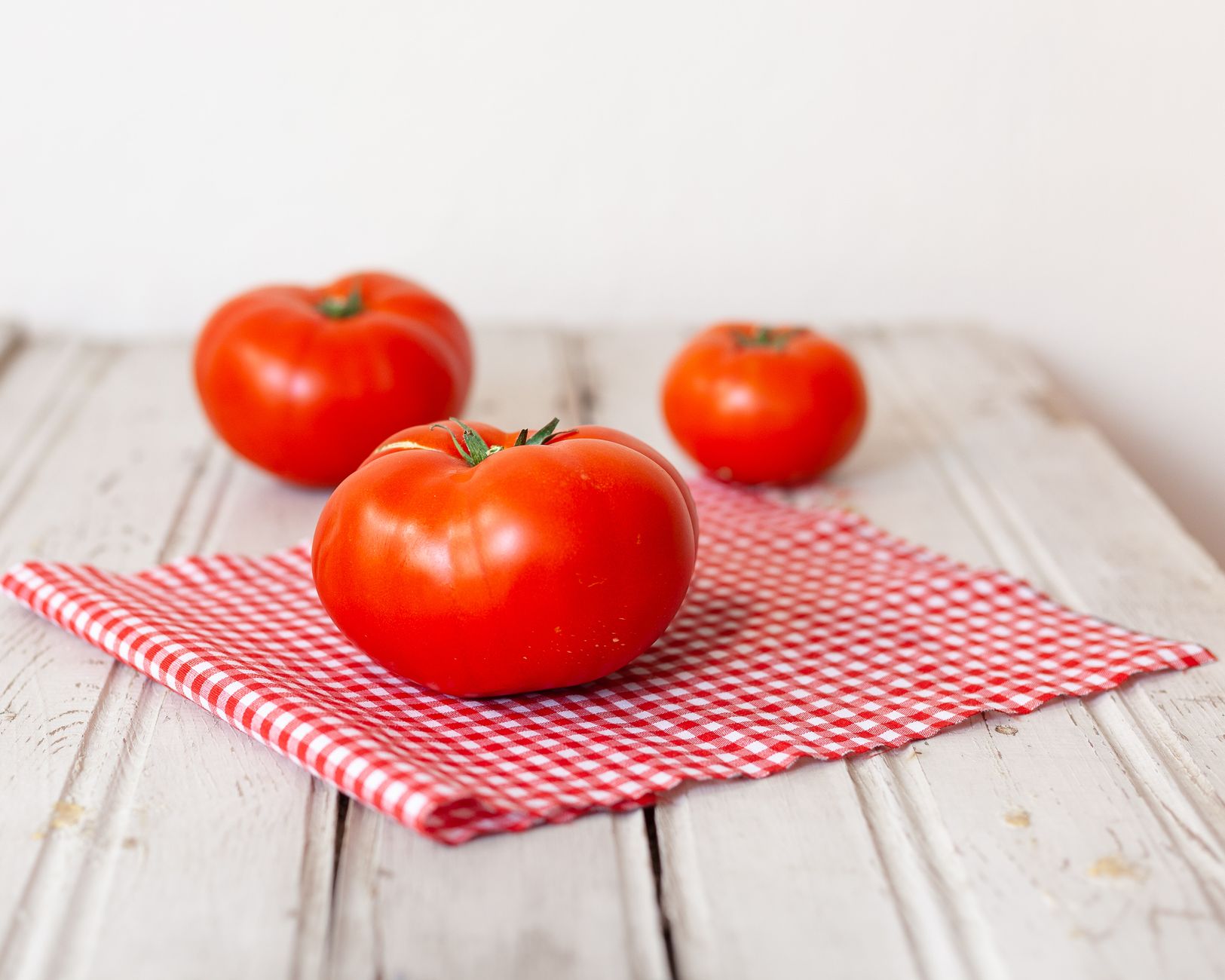
Many people often debate whether a tomato is a fruit or a vegetable. The confusion arises from the tomato’s culinary use as a savory ingredient, although botanically speaking, it is classified as a fruit. Understanding the distinctions can help you navigate the kitchen, especially in cooking and ingredient selection.
This article will explore tomatoes from both a botanical and culinary perspective, discuss their uses in various dishes, and provide a guide on how to select, store, and cook with tomatoes. This way, you’ll be equipped to make informed decisions in your cooking and meal planning.
Is Tomato A Vegetable?
Botanically, a tomato is a fruit because it develops from the flower of a plant and contains seeds. However, in culinary contexts, it is treated as a vegetable due to its savory flavor and usage in salads, sauces, and other savory dishes. Understanding both definitions can enhance your culinary skills and help you utilize tomatoes more effectively in your cooking.
Botanical Definition of Tomatoes
In botanical terms, fruits are the matured ovary of a flower, usually containing seeds. This means tomatoes, along with other produce like cucumbers, bell peppers, and squash, fit the definition of fruits. Tomatoes develop from the flowering part of the plant and go through various stages, starting as small green fruits before ripening into the familiar reddish or yellowish fruits we know.
Culinary Classification of Tomatoes
Culinary classifications often differ from botanical ones. In the kitchen, tomatoes are typically regarded as vegetables due to their flavor profile and usage. They are primarily used in savory dishes, making them more versatile in meals that wouldn’t traditionally include fruits. This dual classification can lead to confusion, but it also highlights the versatility of tomatoes in various cuisines.
History and Cultural Significance of Tomatoes
Tomatoes have a rich history, originally cultivated in Mesoamerica and introduced to Europe in the 16th century. Initially viewed with suspicion, they eventually became a staple in various cuisines, particularly in Italian, Mediterranean, and Mexican cooking. Today, tomatoes are the world’s most widely consumed fruit, found in dishes ranging from salsas to sauces.
Nutritional Benefits of Tomatoes
Tomatoes are not only delicious but also packed with nutrients. They are low in calories and contain essential vitamins and minerals.
- Vitamin C: An antioxidant that supports the immune system.
- Potassium: Helps regulate blood pressure and fluid balance.
- Vitamin K: Important for blood clotting and bone health.
- Lycopene: An antioxidant that may help reduce the risk of certain chronic diseases.
- Fiber: Aids digestion and contributes to heart health.
Types of Tomatoes
Understanding the different types of tomatoes can help you select the best one for your culinary creations. Here are some popular varieties:
- Roma Tomatoes: These are oval-shaped, usually used for sauces and pastes due to their lower moisture content.
- Cherry Tomatoes: Small and sweet, great for salads and snacking.
- Beefsteak Tomatoes: Larger and meaty, perfect for sandwiches and burgers.
- Green Tomatoes: Unripe tomatoes that are tart and can be fried or pickled.
- Heirloom Tomatoes: Various shapes, colors, and flavors, prized for their taste and often grown from non-hybrid seeds.
How to Select the Best Tomatoes
Choosing the right tomato is crucial for optimal flavor in your dishes. Follow these guidelines:
- Look for tomatoes that are firm and free of blemishes or cracks.
- Check for a vibrant color, which indicates ripeness. However, not all varieties are red; for example, heirlooms come in shades of yellow, green, and purple.
- Smell the stem end; a ripe tomato should have a fresh, sweet aroma.
- Consider the variety based on your intended use—choose Roma tomatoes for sauces and cherry tomatoes for salads.
How to Store Tomatoes
Proper storage can significantly affect the flavor and texture of tomatoes. Here are some tips:
- Store unripe tomatoes at room temperature, stem-side up, until they ripen.
- Once ripe, tomatoes should be kept in the refrigerator if you can’t consume them immediately, but allow them to come to room temperature before eating for the best flavor.
- Avoid storing them in plastic bags, as this can trap moisture and promote spoilage.
Cooking with Tomatoes
Tomatoes are incredibly versatile and can be prepared in numerous ways. Here are some popular cooking methods:
Raw Uses
Fresh tomatoes can be enjoyed raw in salads, sandwiches, and salsas. Here are some tips:
- Slice beefsteak tomatoes for hearty sandwiches.
- Use cherry tomatoes in salads or as a snack.
- Make a fresh salsa by combining chopped tomatoes with onions, cilantro, lime juice, and seasoning.
Cooked Uses
Cooking tomatoes can enhance their sweetness and flavor. Here are some methods:
- Sautéing: Quickly cook chopped tomatoes in oil to use in pastas or stews.
- Roasting: Enhance flavor further by roasting tomatoes with olive oil, salt, and herbs.
- Making Sauces: Cook down Roma tomatoes with garlic, onions, and herbs for a simple marinara.
- Soups: Prepare rich tomato soup by blending cooked tomatoes with stock and seasonings.
Recipe Ideas Featuring Tomatoes
Here are some delicious recipes to incorporate tomatoes into your meals:
Simple Tomato Salad
This refreshing salad highlights the natural sweetness of tomatoes alongside herbs.
- Ingredients:
- 4 medium ripe tomatoes, chopped
- 1 small red onion, thinly sliced
- 1/4 cup fresh basil, chopped
- 1/4 cup olive oil
- 2 tablespoons balsamic vinegar
- Salt and pepper to taste
- Instructions:
- In a bowl, combine the chopped tomatoes, red onion, and basil.
- Drizzle olive oil and balsamic vinegar over the salad.
- Season with salt and pepper, and toss to combine.
- Let sit for 10 minutes before serving to enhance flavors.
- Ingredients:
- 2 tablespoons olive oil
- 1 onion, diced
- 3 cloves garlic, minced
- 4 pounds Roma tomatoes, peeled and diced
- 1 teaspoon dried oregano
- 1 teaspoon sugar
- Salt and pepper to taste
- Instructions:
- Heat olive oil in a large pot over medium heat.
- Add diced onions, sauté until translucent, about 5 minutes.
- Add minced garlic; cook for another minute.
- Stir in diced tomatoes, oregano, sugar, salt, and pepper.
- Bring to a simmer and let cook for 30-40 minutes, stirring occasionally.
- Blend with an immersion blender for a smoother texture, if desired.
- Using cold tomatoes: Cold tomatoes lack flavor; allow them to reach room temperature before cooking or eating.
- Overcooking: Cooking tomatoes for too long can cause them to lose flavor and turn mushy.
- Ignoring flavor: Enhance dishes with herbs, spices, and proper seasoning to bring out the best in tomatoes.
- Canned Tomatoes: Use in any recipe calling for fresh tomatoes; 1 cup of fresh equals about 1/2 cup of canned.
- Tomato Paste: For a more concentrated flavor, use 1 tablespoon of tomato paste for every medium tomato in recipes.
- Red Bell Peppers: While the taste differs, they can provide a similar sweetness in some dishes.
Classic Marinara Sauce
This homemade marinara sauce is perfect for pasta, pizza, or dipping.
Common Mistakes When Cooking with Tomatoes
Even experienced cooks can make errors when working with tomatoes. Here are a few common mistakes to avoid:
Practical Tomato Substitutions
In case you find yourself short on tomatoes, here are some reliable substitutes:
Conclusion
Understanding whether a tomato is a fruit or vegetable helps clarify its uses in cooking. While they are botanically fruits, their culinary applications span the savory realm, making them a staple ingredient in various cuisines. Now that you have a comprehensive guide on tomatoes, you can confidently select, store, and prepare them to elevate your meals.
Explore more about tomatoes with our quick and delicious tomato juice recipe or try your hand at tomato gravy to add a flavorful twist to your dishes.