
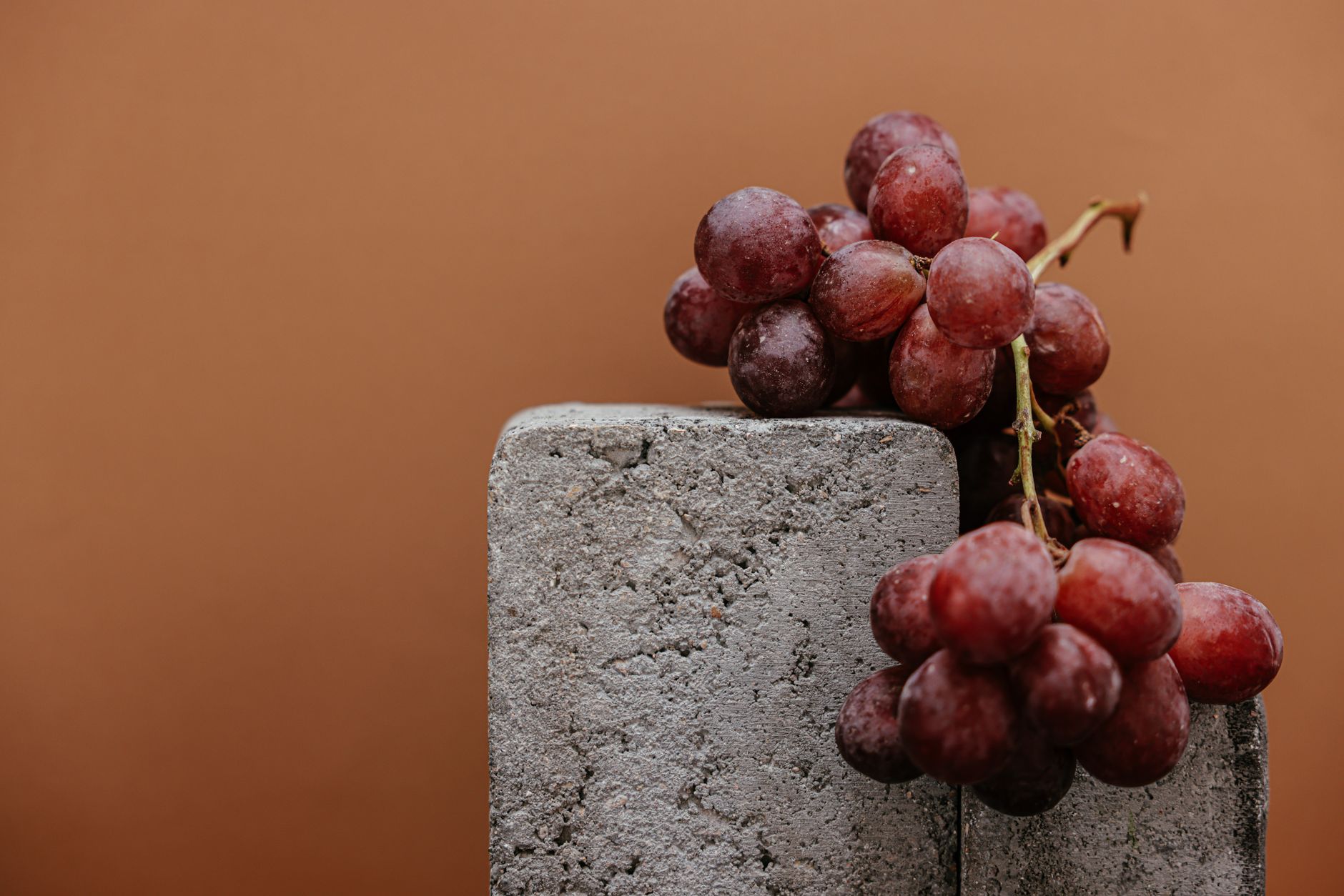
Resveratrol is a naturally occurring compound found in various plants, particularly in the skins of red grapes, berries, and peanuts. It is a polyphenol that has drawn attention for its potential health benefits, particularly regarding heart health and its antioxidant properties. This guide dives into what resveratrol is, its culinary uses, and how you can incorporate it into your diet.
By understanding resveratrol and its sources, you can enhance your meals not only for flavor but also for potential health advantages. This article will provide you with practical information about resveratrol, its applications, and delicious ways to include it in your cooking.
What Is Resveratrol?
Resveratrol is a compound belonging to a group of antioxidants known as polyphenols. It is produced by certain plants in response to injury or as a defense against pathogens, such as bacteria and fungi. Resveratrol is most famously found in red wine, which is why it often garners attention in discussions about the health benefits of moderate wine consumption.
Sources of Resveratrol
Resveratrol can be found in various foods and beverages. Here are some of the most common sources:
- Red Grapes: The skin of red grapes contains the highest concentrations of resveratrol. When it comes to wine, red grape varieties tend to have more than white ones due to the fermentation process, which involves the skins.
- Red Wine: This beverage is perhaps the most well-known source of resveratrol. However, the amount varies depending on the grape variety and the winemaking process.
- Berries: Blueberries, cranberries, and blackberries are excellent sources, providing additional vitamins and minerals.
- Peanuts: Though often overlooked, peanuts offer a good amount of resveratrol, especially when consumed with their skins.
- Dark Chocolate: Cocoa beans, from which dark chocolate is derived, have a moderate amount of resveratrol along with other beneficial compounds.
Potential Health Benefits of Resveratrol
Although research is ongoing, some studies suggest potential health benefits linked to resveratrol consumption:
- Heart Health: Resveratrol may improve heart health by reducing inflammation and lowering LDL cholesterol levels.
- Antioxidant Properties: As an antioxidant, it helps protect cells from oxidative stress, which can lead to chronic diseases.
- Anti-Inflammatory Effects: It may help reduce inflammation in the body, potentially lowering the risk of inflammatory diseases.
- Neuroprotective Effects: Some studies indicate that resveratrol may support brain health and protect against conditions like Alzheimer’s disease.
Incorporating Resveratrol into Your Diet
Adding resveratrol to your diet can be delicious and easy. Here are a variety of ideas on how to do so:
1. Cooking with Red Wine
Red wine can be used in various cooking applications, such as marinades, sauces, and reductions. Consider using red wine to braise meats or deglaze pans for added flavor. Here is a simple recipe featuring red wine:
Red Wine Reduction Sauce
Yield: About 1 cup
Preparation Time: 5 minutes
Cooking Time: 15 minutes
Total Time: 20 minutes
Ingredients:
- 2 cups red wine
- 1 tablespoon olive oil
- 1 shallot, finely chopped
- 1-2 sprigs of fresh thyme
- Salt and pepper to taste
Essential Equipment:
- Saute pan
- Wooden spoon
Method:
- Heat olive oil in a sauté pan over medium heat. Add the shallots and cook until softened, about 3-5 minutes.
- Pour in the red wine and add thyme. Increase heat and bring to a gentle boil.
- Reduce heat and simmer until the sauce is reduced by half, about 10-15 minutes.
- Remove thyme sprigs, season with salt and pepper, and serve over grilled meats or vegetables.
2. Enjoying Berries as Snacks or Additions
Berries are versatile and can be incorporated into your diet in various forms. They can be eaten fresh, blended into smoothies, or added to salads. Here are some suggestions:
- Add fresh blueberries to your morning yogurt or as a topping for oatmeal.
- Create a vibrant fruit salad featuring strawberries, blueberries, and raspberries.
- Incorporate blackberries into baking recipes or savory dishes like roasted duck.
3. Making a Dark Chocolate Treat
Dark chocolate is not only delicious but also a source of resveratrol. Consider making a simple treat like dark chocolate-covered strawberries:
Dark Chocolate-Covered Strawberries
Yield: About 12 strawberries
Preparation Time: 10 minutes
Chilling Time: 30 minutes
Total Time: 40 minutes
Ingredients:
- 12 fresh strawberries
- 1 cup dark chocolate chips (at least 70% cocoa)
Essential Equipment:
- Double boiler or microwave-safe bowl
- Baking sheet lined with parchment paper
Method:
- Wash and dry strawberries thoroughly, leaving the green stems intact.
- Melt dark chocolate using a double boiler or microwave (heat in 30-second intervals, stirring each time).
- Dip each strawberry in melted chocolate, covering about two-thirds of the berry.
- Place dipped strawberries on the parchment-lined baking sheet and chill in the refrigerator until chocolate hardens, about 30 minutes.
4. Peanut Dishes
Peanuts are an excellent source of resveratrol and can be included in your diet in many ways, such as snacks, spreads, or main dishes:
- Make homemade peanut butter by blending roasted peanuts with a pinch of salt.
- Add peanuts to salads for a crunchy element.
- Use crushed peanuts as a topping for stir-fries or rice dishes.
Practical Tips for Cooking with Resveratrol
Here are some practical tips for incorporating resveratrol-rich foods into your diet:
- Balance and Moderation: While resveratrol may have health benefits, it’s essential to consume it as part of a balanced diet rather than relying solely on it.
- Variety of Sources: Aim to include a variety of resveratrol sources in your meals for the best flavor and nutrition.
- Consider Cooking Methods: Cooking, especially through methods like grilling or roasting, can enhance the flavors of resveratrol-rich ingredients.
Common Questions about Resveratrol
Is Resveratrol Safe?
In general, resveratrol is considered safe when consumed in moderate dietary amounts. However, if you’re thinking of taking resveratrol supplements, it’s advisable to consult with a healthcare professional to discuss safety and appropriate dosages.
Can I Get Enough Resveratrol from Food Alone?
It’s possible to get meaningful amounts of resveratrol through a well-rounded diet rich in grapes, berries, wine, and dark chocolate. However, if you’re looking for higher concentrations, supplements may be available, but it’s crucial to consult with a healthcare provider.
Storage and Shelf Life of Resveratrol-Rich Foods
To enjoy the benefits of resveratrol, proper storage is essential:
- Red Wine: Store in a cool, dark place to maintain its quality. Once opened, it usually lasts about 3 to 5 days in the refrigerator.
- Fresh Berries: Keep them in the refrigerator and consume within a week for optimal freshness.
- Dark Chocolate: Store in a cool, dark place and it can last for several months, but it’s usually best enjoyed fresh.
- Peanuts: Keep them in an airtight container in a cool, dark place for up to a few months. Roasted peanuts have a longer shelf life than raw peanuts.
Conclusion
Resveratrol is a fascinating compound that can add both flavor and potential health benefits to your diet. By incorporating resveratrol-rich foods like red grapes, dark chocolate, and berries into your meals, you can enjoy the delicious flavors while reaping the benefits of this antioxidant. Start with some of the recipes provided and explore how versatility can maximize both taste and health in your day-to-day cooking.
For more delicious and nutritious recipes, you can check out our Chia Pudding Recipe for a delightful breakfast or dessert, and learn about the Benefits of Chia Seeds for additional health information.