
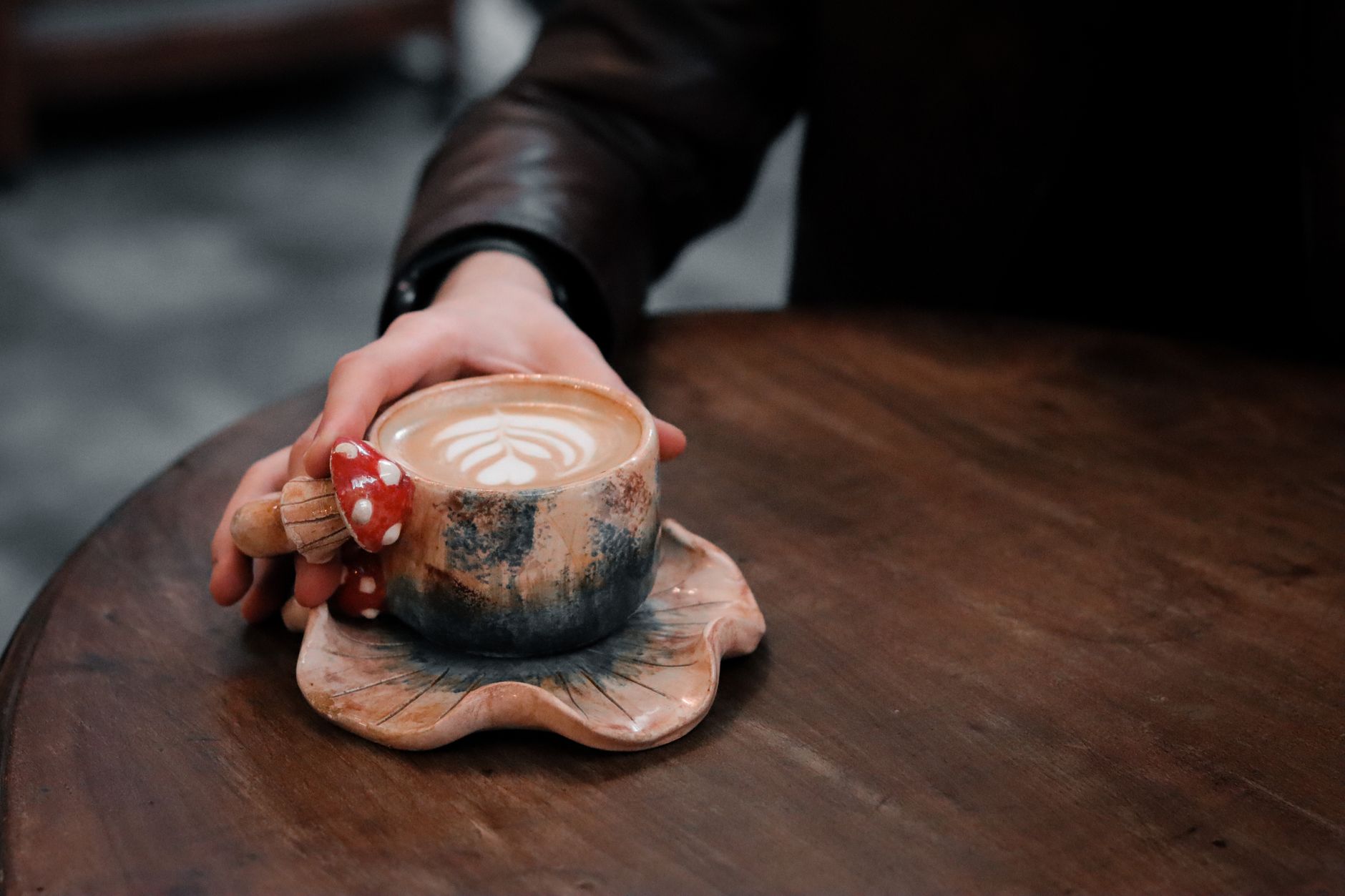
Mushroom coffee is a rising trend in the world of beverages, attracting health enthusiasts and those looking to reduce caffeine intake. At its core, mushroom coffee combines traditional brewed coffee with powdered medicinal mushrooms, such as lion’s mane, chaga, or reishi. This fusion promises not only the invigorating effects of coffee but also additional health benefits from the mushrooms.
But is mushroom coffee really good for you? To determine this, we need to delve into the ingredients, potential health benefits, and nutritional considerations that make mushroom coffee a compelling option for modern consumers.
What Are the Benefits of Mushroom Coffee?
The key selling points of mushroom coffee are the purported health benefits associated with the mushrooms used. Let’s explore some common varieties of mushrooms used in these blends and their associated benefits.
Lion’s Mane
Lion’s mane mushroom is known for its neuroprotective properties, potentially boosting cognitive function and memory. Some studies suggest it may stimulate the production of nerve growth factor (NGF), which could aid in the recovery of brain injuries and neurodegenerative diseases.
Chaga
Chaga is often heralded for its antioxidant properties. Rich in beta-glucans, chaga helps support immune function by enhancing the body’s defense mechanisms. It’s also believed to have anti-inflammatory effects, making it a valuable addition to any wellness regimen.
Reishi
Reishi is another popular mushroom in coffee blends, known as the “mushroom of immortality.” This variety is often associated with reduced stress and improved sleep quality. It contains compounds that may help modulate the immune response and reduce anxiety.
Other Mushrooms
Other varieties, such as cordyceps and turkey tail, also make appearances in mushroom coffee formulations, each bringing unique benefits ranging from increased energy and endurance to enhanced gut health.
Potential Health Risks and Considerations
While the benefits sound inviting, it is essential to consider potential risks associated with mushroom coffee consumption.
Caffeine Sensitivity
Even though mushroom coffee often contains less caffeine than regular coffee, it still has stimulating effects. Individuals with caffeine sensitivity should monitor their intake, as even low doses may cause jitteriness or anxiety.
Medical Conditions
Those with underlying health conditions, particularly autoimmune disorders, should consult with a healthcare professional before incorporating mushroom coffee into their diets. Certain mushrooms may interact with medications or exacerbate specific health conditions.
Quality Control
The market for mushroom supplements is largely unregulated, so consumers must be cautious about the source and quality of the mushrooms used in their coffee. Seek products with third-party testing to ensure safety and potency.
How Does Mushroom Coffee Compare to Regular Coffee?
Mushroom coffee offers a different flavor profile and nutritional content compared to traditional coffee. While regular coffee is rich in antioxidants and can provide a quick energy boost, mushroom coffee strives to combine the best of both worlds.
Flavor and Aroma
Typically, mushroom coffee has a slightly earthy or nutty taste due to the addition of mushrooms. This unique flavor might not appeal to everyone, but many users find it enjoyable, especially when enhanced with spices such as cinnamon or nutmeg.
Caffeine Content
The caffeine content in mushroom coffee can vary based on the blend. While traditional coffee typically contains around 95 mg of caffeine per 8 oz, mushroom coffee might have anywhere from 30 to 70 mg, depending on the concentration of both the coffee and mushroom powder.
How to Make Mushroom Coffee at Home
For those interested in trying mushroom coffee, it can be easily made at home using a simple recipe. The following guide outlines how to prepare your own mushroom coffee blend.
Ingredients
- 1 cup of brewed coffee
- 1 teaspoon of mushroom powder (lion’s mane, chaga, or reishi)
- 1 teaspoon of cinnamon (optional)
- 1 tablespoon of sweetener (honey, maple syrup, or stevia, optional)
- Milk or dairy-free alternative (optional)
Essential Equipment
- Coffee maker or French press
- Measuring spoons
- Mug
Instructions
- Brew a cup of your favorite coffee using your preferred method.
- In a separate cup, mix the mushroom powder with a small amount of hot water to create a slurry.
- Add the mushroom mixture to the brewed coffee and stir well.
- For added flavor, incorporate cinnamon and your choice of sweetener.
- If desired, add milk or your preferred dairy-free option.
- Enjoy your homemade mushroom coffee while hot!
Variations and Substitutions
Mushroom coffee can be customized in several ways to suit your taste preferences and dietary needs.
Types of Milk
Experiment with different types of milk or milk alternatives, such as almond, oat, or coconut milk, which can change the flavor and texture significantly.
Protein Addition
For a fully satisfying drink, you might consider adding protein powder. A scoop of flavor-compatible whey or plant-based protein can enhance the protein content and make it a more nutrient-dense beverage. However, this will alter the overall flavor.
Flavor Infusions
Spices like turmeric, ginger, or even cocoa powder can be added for unique flavor combinations and additional health benefits. Just keep in mind that altering the recipe may change the overall taste and aroma.
Storing Mushroom Powder
Mushroom powder should be stored properly to maintain its freshness and potency. Here are some tips:
- Keep the powder in an airtight container.
- Store in a cool, dry place away from direct sunlight.
- Check expiration dates and avoid using jars that show signs of moisture.
Frequently Asked Questions
Can I drink mushroom coffee every day?
Yes, many individuals include mushroom coffee as part of their daily routine. However, moderation is essential, especially for those sensitive to caffeine or with underlying health conditions.
Does mushroom coffee taste like regular coffee?
Mushroom coffee has a unique flavor that may be different from traditional coffee. Depending on the type of mushroom used, you might notice earthy or nutty notes.
Is mushroom coffee safe for pregnant women?
Pregnant women should exercise caution when consuming mushroom coffee. It is advisable to consult with a healthcare provider before adding it to their diets.
Conclusion
Mushroom coffee serves as an intriguing alternative to regular coffee, merging the benefits of both coffee and medicinal mushrooms. With potential cognitive and immune-boosting properties, it offers a promising option for health-conscious individuals. However, always pay attention to potential allergens, quality, and personal health conditions.
If you’re considering incorporating mushroom coffee into your routine, starting with a simple homemade version allows for customization according to your taste and health preferences. Ultimately, it is about finding what works best for your lifestyle and body.
For more delicious recipes and cooking tips, check out our fried mushroom recipe or explore our protein coffee recipe for unique ways to enjoy your beverages.