
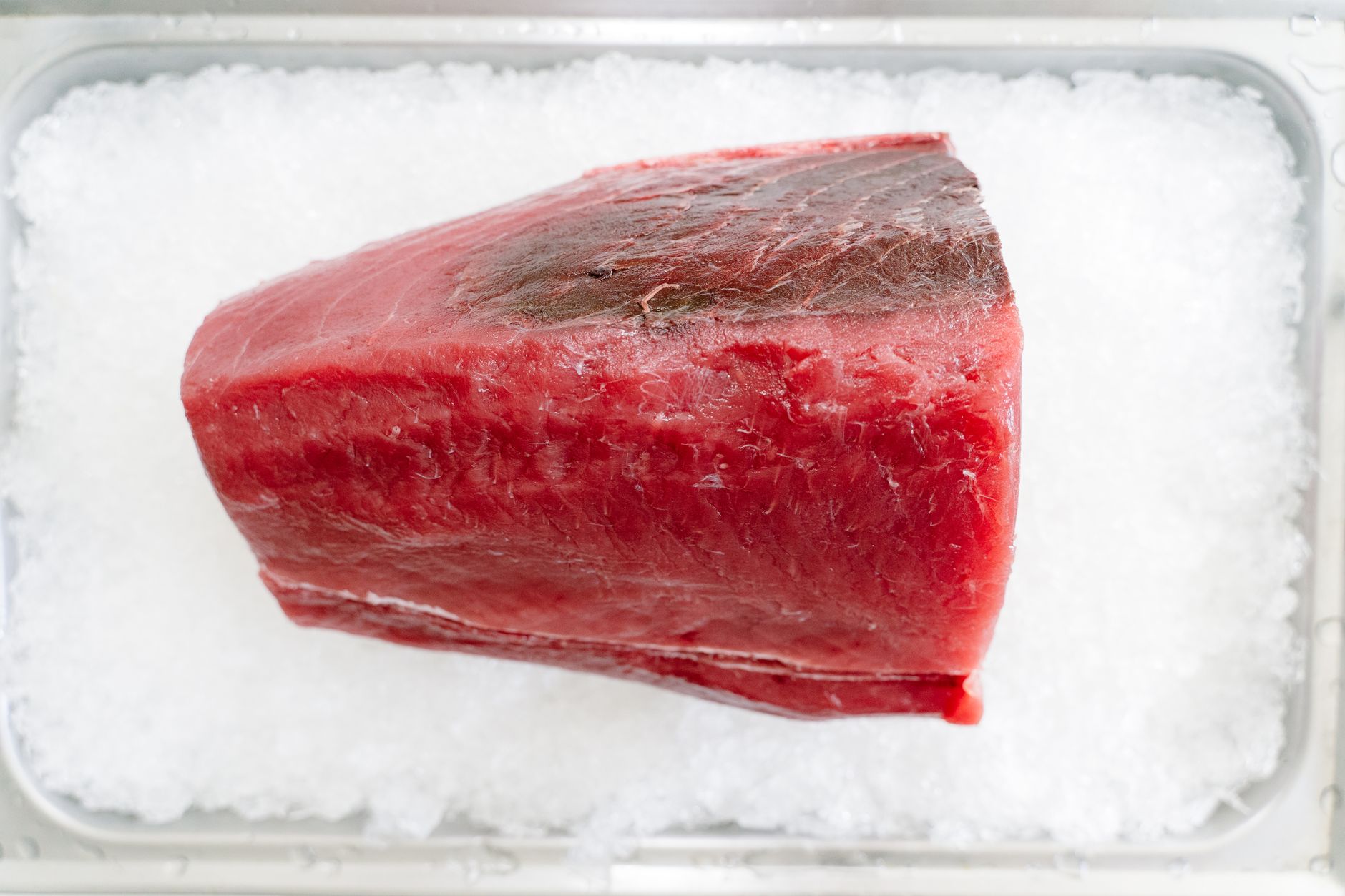
Tuna is a versatile and highly nutritious fish that can be enjoyed in various forms—fresh, canned, or cooked. Understanding how long tuna remains good in the fridge is crucial for food safety and optimal taste. This guide will provide an in-depth look at the shelf life of tuna, best storage practices, and tips to maximize its longevity.
Whether you’re using fresh tuna steaks for grilling, canned tuna for a quick salad, or leftover cooked tuna, knowing how to store and handle these products will ensure they stay delicious and safe to eat.
How Long Is Tuna Good For In The Fridge?
Fresh and canned tuna have different storage guidelines. Fresh tuna can last in the fridge for one to two days, whereas properly stored canned tuna can retain its quality for several years. However, once opened, canned tuna should be consumed within three to five days if kept in the refrigerator.
Understanding Tuna Types
Tuna comes in several forms, each with its own storage requirements and longevity:
- Fresh Tuna: Often found in fillets or steaks, fresh tuna has a short shelf life and should be consumed as soon as possible.
- Canned Tuna: Comes in either water or oil and is a pantry staple. Unopened, it has a long shelf life, but opened canned tuna needs quicker consumption.
- Cooked Tuna: Leftover cooked tuna from dishes like casseroles or salads should be stored accordingly to minimize waste.
Storage Guidelines for Fresh Tuna
Fresh tuna is highly perishable and should be handled with care. Here are some essential storage practices:
- Temperature Control: Store fresh tuna at a temperature of 32°F to 39°F (0°C to 4°C). A dedicated fridge or an ice-packed cooler is ideal.
- Container: Keep the tuna well-sealed in an airtight container or wrapped tightly in plastic wrap to prevent exposure to air and contaminants.
- Moisture Management: Place a paper towel in the container to absorb excess moisture, which can cause spoilage.
Shelf Life of Fresh Tuna
When it comes to the freshness of tuna, here’s what to keep in mind:
- Unopened Fresh Tuna: Typically lasts 1-2 days in the fridge. Always check the sell-by date for guidance.
- Opened Fresh Tuna: Should be consumed immediately after purchase, ideally the same day or the next.
Any signs of discoloration or off-odors indicate that the tuna has spoiled and should not be consumed.
Storage Guidelines for Canned Tuna
Canned tuna provides convenience and longevity. Proper storage can extend its shelf life even further:
- Unopened Canned Tuna: Canned tuna can last for 3 to 5 years if stored in a cool, dry space away from direct sunlight.
- Opened Canned Tuna: Transfer any leftovers to an airtight container. It should be consumed within 3-5 days when refrigerated.
How to Tell If Tuna Has Gone Bad
Recognizing spoilage signs is essential for safe consumption. Here are the most common indicators:
- Fresh Tuna: Look for changes in color (grayish or dull), texture (slimy), and smell (sour or overly fishy).
- Canned Tuna: Check for bulging cans, rust, or leaks. A foul odor upon opening indicates spoilage.
Safety Tips for Storing Tuna
To ensure safety and freshness with tuna, follow these guidelines:
- Always Refrigerate: Tuna should never be left out at room temperature for more than two hours, as bacteria can grow quickly.
- Keep It Sealed: Always store tuna in a tightly sealed container to prevent cross-contamination with other foods.
- Label and Date: When transferring tuna to another container, label it with the date of storage to keep track of its freshness.
What to Do with Leftover Tuna
If you have leftover tuna, consider these ideas to avoid waste:
- Tuna Salad: Mix with mayonnaise, celery, and seasonings for a classic tuna salad.
- Tuna Casserole: Combine with pasta, cream of mushroom soup, and breadcrumbs for a comforting dish.
- Wraps and Sandwiches: Use in wraps or sandwiches filled with veggies and your choice of sauce.
Freezing Tuna: A Viable Option
If you can’t consume fresh tuna in time, freezing is a good alternative. Here’s how to do it correctly:
- Preparation: Clean and portion the tuna. Wrap each piece tightly in plastic wrap followed by aluminum foil.
- Labeling: Mark the packages with the date before placing them in the freezer.
- Storage Duration: Frozen tuna can last for up to three months. After this period, it may still be safe but will lose quality.
Thawing Frozen Tuna
Thawing frozen tuna should be done safely to preserve its texture and flavor:
- Refrigerator Method: Move the tuna from the freezer to the fridge 24 hours before cooking. This prevents bacteria growth.
- Cold Water Method: If you’re short on time, place the sealed tuna in cold water for about an hour. Do not use hot water as it can begin to cook the fish.
- Microwave Method: As a last resort, you can microwave tuna on the defrost setting, but this can alter the texture.
Cooking Tuna to Maximize Freshness
If you plan to cook fresh tuna, consider these guidelines to enhance flavor and texture:
- Cooking Temperature: Tuna is best cooked rare to medium-rare (120°F to 130°F or 49°C to 55°C) to retain moisture.
- Seasoning: Simple seasonings like salt, pepper, and olive oil will highlight the fish’s natural flavor.
- Grilling or Searing: Opt for quick cooking methods like grilling or searing to preserve its moist texture.
Common Mistakes to Avoid
Here are a few critical pitfalls to avoid when handling and storing tuna:
- Not Checking Freshness: Always check the sell-by date and inspect the fish before purchase.
- Improper Storage: Avoid storing fresh tuna in non-airtight containers which can lead to spoilage.
- Freezing Without Wrapping: Freezing tuna without proper wrapping can result in freezer burn.
Conclusion
Tuna is a delicious and nutritious seafood choice. Knowing how to store it properly will help maintain its quality and extend its shelf life. Remember to check for freshness regularly, and adhere to safe cooking practices to enjoy tuna at its best. For your next step, consider checking your pantry for canned tuna to whip up a quick tuna salad, or explore other recipes to enhance your culinary repertoire.
For more insights into food storage, check out how long ground beef and cooked chicken are good for in the fridge at ground beef and cooked chicken.