
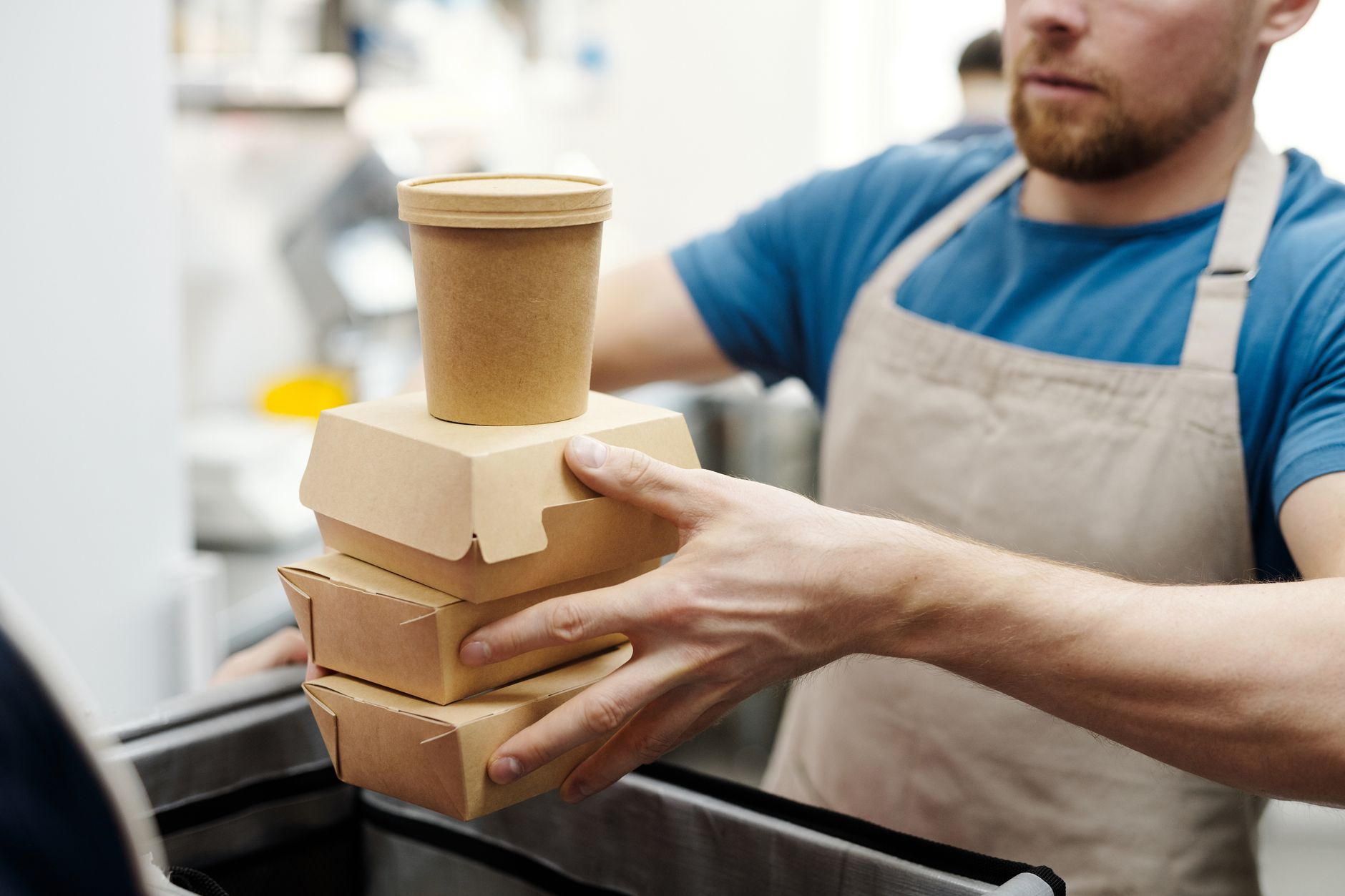
Doordash is a household name for many people who rely on food delivery services for their daily meals. As the landscape of food delivery evolved, so too did the demand for convenient solutions that cater to busy lifestyles. Understanding when Doordash started provides crucial context about its rise and its impact on food delivery culture.
Founded in June 2013, Doordash began as a small startup in Palo Alto, California, offering delivery services for various restaurants. Over the years, it has grown significantly, changing how customers, restaurants, and delivery workers interact with each other. This article explores the history of Doordash, its growth, and its role in the food delivery industry.
When Did Doordash Start?
Doordash officially started its operations in June 2013. Initially launched by Stanford students Tony Xu, Stanley Tang, Andy Fang, and Evan Moore, the company aimed to solve the challenges faced by local businesses in delivering food to customers.
The Early Days of Doordash
In its early days, Doordash operated under a different name: “PaloAltoDelivery.com,” focusing primarily on delivering food from local restaurants. The founders realized that restaurants lacked robust delivery infrastructure, which hindered their growth. The idea was to provide small businesses an easy-to-use platform for streamlined food delivery.
Boosted by Early Investments
The turning point for Doordash came in 2014 when it secured seed funding from the startup accelerator Y Combinator. This investment allowed the company to scale its operations and expand its reach beyond Palo Alto. Following this, Doordash would expand into other cities, trialing different delivery models and strategies to optimize their service.
Key Milestones in Doordash’s Growth
As Doordash developed, several key milestones marked its path from a local service to a dominant player in the food delivery industry:
- 2014: Secured $1.4 million in seed funding from Y Combinator and other investors.
- 2016: Launched its service in over 300 cities, establishing itself as a leading delivery platform in the United States.
- 2018: Achieved a market share of over 30% in the food delivery sector, surpassing competitors like Grubhub and UberEats.
- 2020: IPO launched on the New York Stock Exchange, raising over $3 billion, solidifying its financial standing in the market.
How Doordash Works
The platform connects customers with local restaurants, enabling food delivery via its website and mobile app, streamlining the overall food ordering process. Here’s how the core process works:
- Order Placement: Customers browse local restaurant options on the app or website, select their desired items, and place an order.
- Restaurant Confirmation: The restaurant receives the order and confirms it, notifying Doordash that it is ready for pickup.
- Delivery Assignment: A Doordash driver, or “Dasher,” is alerted to pick up the order.
- Order Delivery: The Dasher picks up the food from the restaurant and delivers it to the customer’s specified address.
Impact on Local Restaurants
Doordash has significantly impacted local restaurants, both positively and negatively. On one hand, the platform provides increased visibility for smaller establishments that might otherwise struggle to find new customers. On the other hand, the fees associated with delivery can eat into a restaurant’s profits.
Positive Effects
- Increased Exposure: Many smaller restaurants have found new customers through Doordash who may not have visited in person.
- Streamlined Operations: Restaurants can leverage the delivery system without needing to manage it in-house.
Challenges Faced by Restaurants
- High Commission Fees: Restaurants often face significant commission fees ranging from 15% to 30%, leading to decreased profit margins.
- Quality Control: Ensuring food quality diminishes when food is transported; this poses a risk to customer satisfaction.
Doordash’s Role in the Food Delivery Market
Doordash’s emergence set a precedent, signaling the shift towards digital food delivery services. As the biggest player in the market, Doordash has forced many competitors to change their strategies and find unique selling points.
Competition in the Food Delivery Sector
The food delivery landscape has grown crowded, with notable competitors including Grubhub and UberEats. Similarities in operation models have created a fierce battle for dominance. Each platform has carved out niches in terms of service, efficiency, and restaurant partnerships.
Trends Influencing Food Delivery
The rising trend of online ordering has been bolstered by a few societal shifts:
- Busy Lifestyles: Increasingly, consumers seek convenience, which food delivery services fulfill.
- COVID-19 Pandemic: The global pandemic accelerated the shift to online and contactless food delivery, giving services like Doordash an unprecedented surge in demand.
Innovations and Features of Doordash
Doordash has continuously adapted and innovated to enhance usability and improve the customer experience. Notable features include:
- DashPass: A subscription service that eliminates delivery fees for eligible restaurants for a monthly fee.
- Doordash Drive: A last-mile delivery platform for restaurants to facilitate their own delivery without developing logistics.
- Partnerships: Collaborations with national brands and local choices enhance variety and accessibility for users.
Future of Doordash and Food Delivery
As food delivery continues to evolve, Doordash is likely to play an even more significant role in not just restaurant delivery but also grocery and broader logistics. The company has already begun exploring grocery deliveries, further expanding its service landscape.
Potential Developments
Speculation about future developments includes:
- Technology Integration: Advancements in AI and machine learning could enable more efficient optimization of delivery routes.
- Sustainability Initiatives: Increasing focus on reducing carbon footprints may lead to greener logistics solutions.
- Expansion of Services: Growth into non-food sectors, such as retail delivery, is plausible.
User Experience Enhancements
Doordash has also made strides in improving user experience. Features such as real-time tracking, customer support, and user-friendly interfaces are continuously refined to enhance customer convenience.
Doordash in the Context of Global Trends
The expansion of food delivery services reflects broader global trends. Urbanization, shifting consumer behaviors, and technological advancements are driving forces that change how food is delivered worldwide.
International Expansion
As Doordash continues its growth trajectory, exploring international markets may become a priority. Understanding local preferences and establishing partnerships with local enterprises will be crucial in these efforts.
The Conclusion of a Journey and a Peak at the Future
From its humble beginnings in 2013, Doordash has transformed the food delivery landscape. As it navigates a rapidly changing market, it is poised to continue being a leader in innovation and service offerings. Consumers and restaurants alike benefit from the convenience and accessibility that Doordash offers.
Looking ahead, Doordash’s commitment to exploring new horizons—whether through additional services, advanced technology, or sustainability initiatives—will likely shape the future of food delivery for years to come.
If you’re interested in exploring more about food delivery options or want tips on meal planning and preparation, make sure to check out our recipes and cooking guides for a deeper dive into the world of food.