
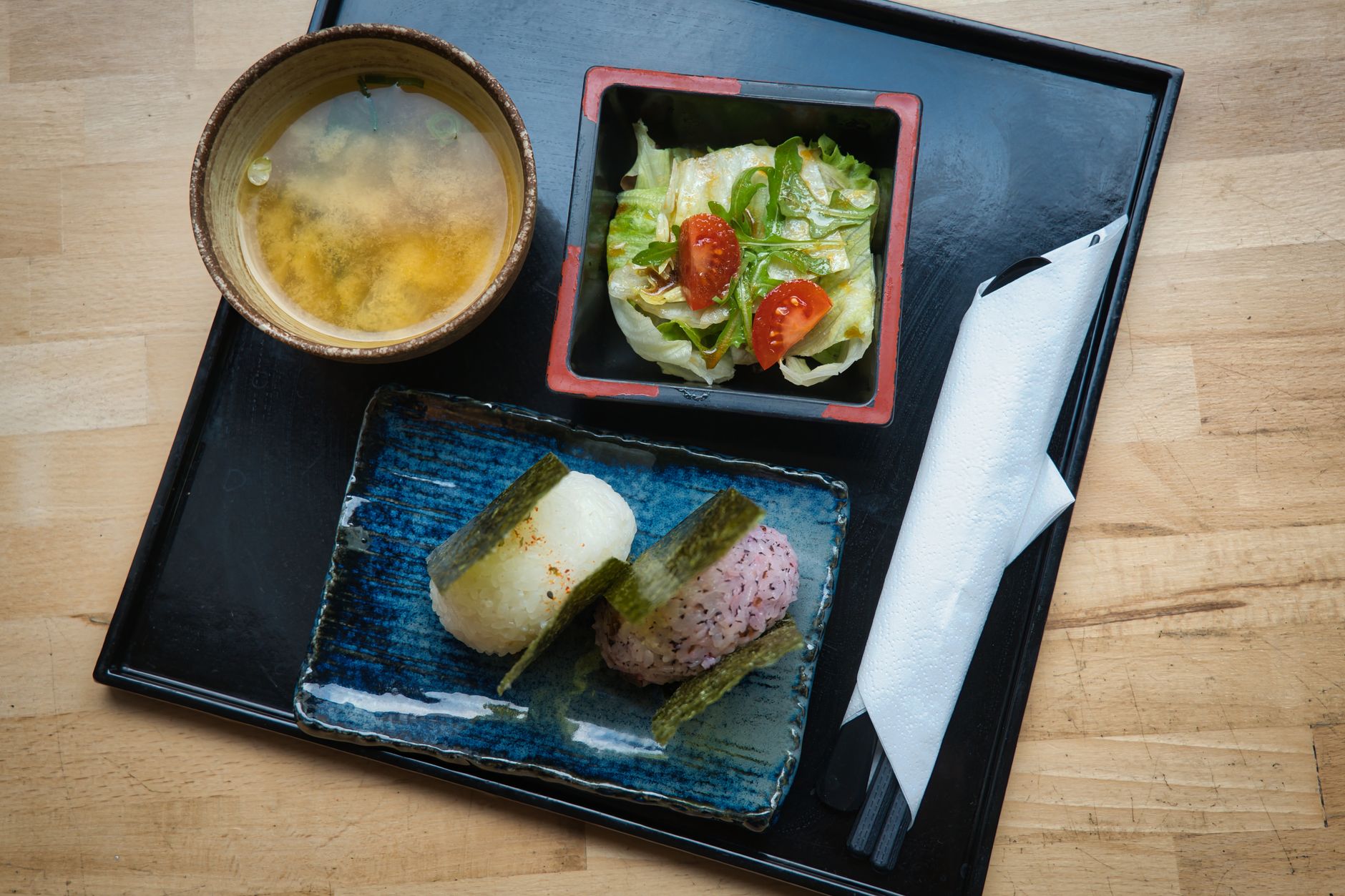
White miso is a versatile fermented ingredient that adds depth and umami to a variety of dishes. Made from soybeans, koji (a starter culture), and salt, it boasts a light color and a sweet, mild flavor that distinguishes it from darker miso varieties. This article will delve into white miso, covering its culinary uses, flavor profile, storage, and more.
Whether you’re a seasoned chef or a novice cook, understanding white miso can enhance your cooking skills. It’s perfect for soups, marinades, dressings, and even desserts, making it a valuable addition to your pantry!
What Is White Miso?
White miso, also known as “shiro miso,” is a type of miso paste that is characterized by its light yellow or beige color and sweet, subtle flavor. It is made by fermenting soybeans primarily with rice koji and tends to have a shorter fermentation time compared to other types of miso, such as red or barley miso. This shorter fermentation results in a milder taste that can brighten both savory and sweet dishes.
Flavor Profile and Culinary Uses
White miso has a delicate flavor that combines sweetness with a hint of saltiness, making it suitable for various culinary applications. Here are some common uses of white miso:
- Soups: Used primarily in miso soup, white miso adds a creamy texture and rich flavor.
- Dressings: Whisked into dressings, it provides a unique taste that complements salads and grilled vegetables.
- Marinades: It can be used as a marinade for meats or tofu, imparting flavor while tenderizing the protein.
- Sauces: White miso can enrich sauces, especially for pasta or stir-fries.
- Desserts: Its sweetness makes it ideal for desserts like miso caramel or flavoring ice creams.
How to Use White Miso
When incorporating white miso into your dishes, consider the following tips:
- Start Small: Due to its concentrated flavor, start with a small amount and adjust to taste.
- Mix with Liquid: It dissolves easily in liquids, making it great for soups and sauces.
- Heat Gently: Avoid boiling white miso as high temperatures can destroy its beneficial probiotics.
Choosing and Storing White Miso
Selecting high-quality white miso can enhance your cooking significantly. Look for brands that use organic ingredients without artificial additives. You may find it in Asian grocery stores or well-stocked supermarkets.
Storage Guidelines
White miso should be stored correctly to maintain its freshness and flavor:
- Keep Refrigerated: Store it in an airtight container in the refrigerator after opening.
- Check Date: Pay attention to the expiration date; while miso can last a long time, it is best used within six months after opening for optimal flavor.
- Freeze for Longevity: You can freeze white miso to extend its shelf life. Just remember to portion it out so you can thaw only what you need.
Variations and Substitutions for White Miso
While white miso has a unique profile, you may need to find alternatives based on availability or dietary restrictions. Here are some suitable substitutions:
- Yellow Miso: Slightly stronger in flavor, yellow miso can be a good substitute, though it may alter the taste slightly.
- Shiro Miso Sauce: If you can find shiro miso sauce, it offers a similar flavor with added seasonings.
- Other Miso Types: If no white miso is available, a small amount of red miso can be used, but reduce the quantity since it is saltier and more robust in flavor.
Common Mistakes When Using White Miso
A few aspects are crucial to keep in mind when using white miso to avoid errors:
- Overheating: As mentioned, overheating can kill beneficial bacteria; add miso towards the end of cooking.
- Inaccurate Measurement: Miso’s potent flavor can overwhelm dishes if overused, so measuring accurately is key.
- Ignoring Saltiness: Since white miso can be salty, consider reducing the overall salt in your recipe.
Popular Recipes Featuring White Miso
Integrating white miso into your cooking can lead to fantastic results. Here are a few popular recipes that showcase its flavor:
1. Miso Soup
This classic Japanese soup is quick and easy to make and is a comforting addition to any meal.
- Yield: 4 servings
- Preparation Time: 10 minutes
- Cooking Time: 5 minutes
- Total Time: 15 minutes
Ingredients:
- 4 cups dashi or vegetable broth
- 1/4 cup white miso paste
- 1 cup silken tofu, cut into cubes
- 1/4 cup green onions, chopped
- 1/4 cup wakame (dried seaweed), rehydrated
Method:
- In a pot, bring dashi or vegetable broth to a gentle simmer.
- In a small bowl, mix the white miso with a few tablespoons of warm broth until smooth.
- Add the miso mixture back into the pot, stirring well.
- Add tofu, wakame, and green onions. Heat gently without boiling for a couple of minutes.
- Serve hot and enjoy!
2. Miso-Glazed Roasted Vegetables
This dish pairs well as a side or main, offering great flavor and nutrients.
- Yield: 4 servings
- Preparation Time: 15 minutes
- Cooking Time: 30 minutes
- Total Time: 45 minutes
Ingredients:
- 1 pound root vegetables (carrots, sweet potatoes, parsnips)
- 2 tablespoons white miso paste
- 2 tablespoons olive oil
- 1 tablespoon maple syrup
- Salt and pepper to taste
Method:
- Preheat the oven to 400°F (200°C).
- Peel and chop the root vegetables into bite-sized pieces.
- In a bowl, mix the white miso, olive oil, and maple syrup until combined.
- Add the vegetables to the bowl and toss until well coated.
- Spread the vegetables on a baking sheet and roast for 30 minutes, or until tender.
Health Benefits and Nutritional Content
Though white miso is often used for flavoring, it also offers several potential health benefits, including:
- Probiotics: Miso is a fermented food, which may contribute to gut health.
- Nutrients: It contains essential nutrients such as protein, vitamins, and minerals.
- Potential Antioxidant Properties: Miso is rich in antioxidants that may support overall health.
Conclusion
White miso is a versatile and flavorful ingredient that can enhance many dishes while offering potential health benefits. Understanding how to use and store it can elevate your culinary creations and introduce new flavors to your kitchen. Equip your pantry with white miso, and explore the world of miso-based cooking!
For more culinary insights, consider exploring other food guides or recipes such as our guide on making miso soup, delicious vegetable recipes, or how to create dressings.