
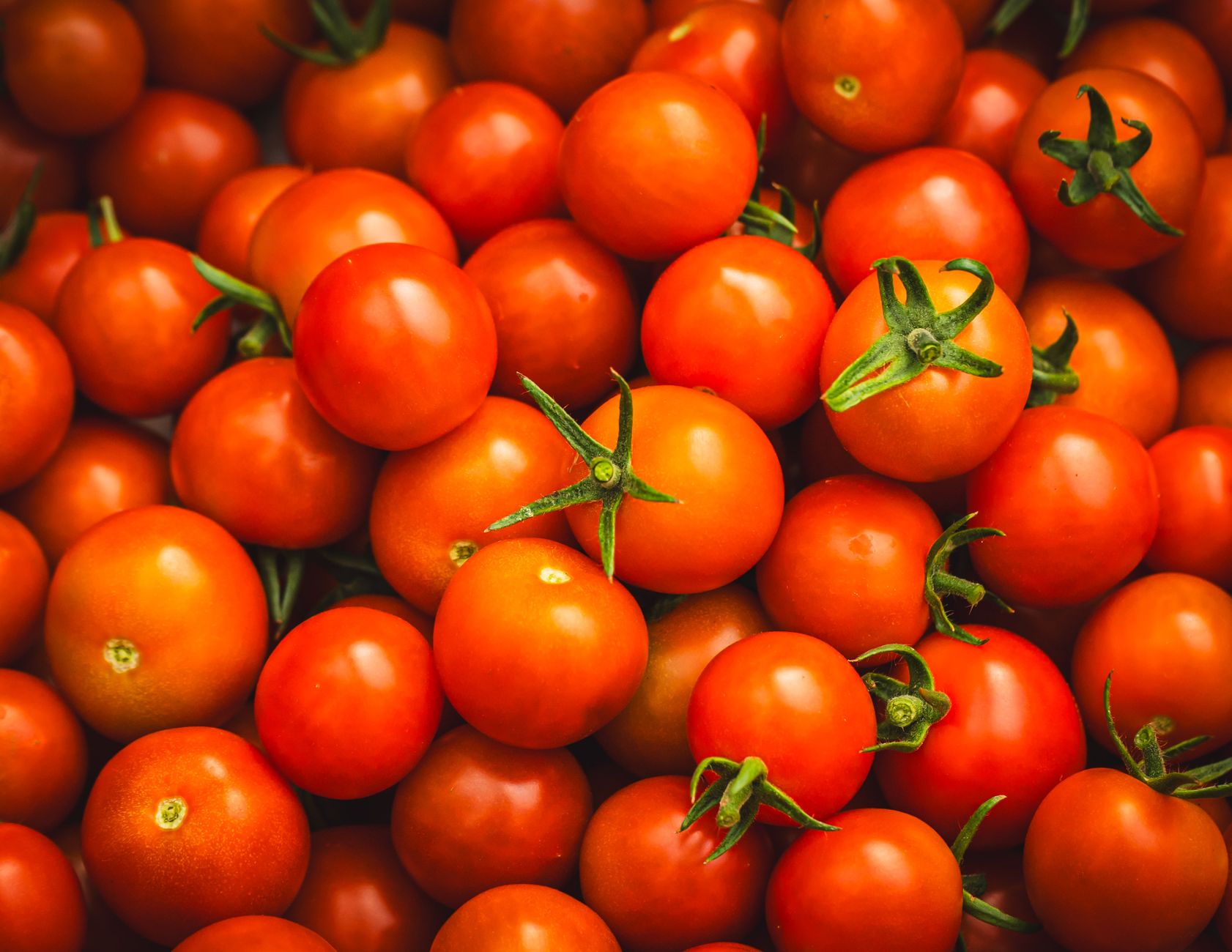
Tomatoes are a staple ingredient in many cuisines around the world, known for their versatility and rich flavor. But where exactly do tomatoes come from? Understanding their origins, cultivation methods, and their journey to become a household staple can enrich your appreciation for this beloved fruit.
This article will explore the historical background of tomatoes, their geographical sources, how they’re grown, and their significance in various cuisines. By the end, you will have a well-rounded understanding of where tomatoes are from and everything you need to know to enjoy them fully.
Where Are Tomatoes From?
Tomatoes originated in western South America, specifically in the region that includes present-day Peru and Ecuador. They were domesticated by the indigenous people in the area, and from there, their use spread throughout the Americas before reaching Europe and the rest of the world.
The History of Tomatoes
The journey of tomatoes begins in the wild, where they were first cultivated thousands of years ago. Archaeological evidence suggests that tomatoes were being used by the Aztecs and Incas around 500 BC. Initially, these early tomatoes were small, yellow fruits, unlike the large red varieties common today.
Once the Spanish conquistadors arrived in the Americas in the 16th century, they brought tomatoes back to Europe. Interestingly, tomatoes were met with suspicion and often categorized alongside poisonous plants. It was not until the 18th century that they began to gain popularity in European cuisine.
The Spread of Tomatoes Across the Globe
From Europe, tomatoes traveled to Asia, where they integrated into local cuisines. They became highly popular in countries like Italy and Spain, which would lay the foundation for some of the most iconic tomato-based dishes. Italy, in particular, embraced tomatoes wholeheartedly, paving the way for sauces, pizzas, and more.
Geographical Sources of Tomatoes
Today, tomatoes are grown in a wide range of climates and conditions around the world. They thrive in regions that provide warm temperatures and sufficient sunlight. Here are some of the major tomato-producing countries:
- China: The largest producer of tomatoes, accounting for a significant share of the global market.
- India: Known for both commercial and subsistence farming of tomatoes.
- United States: Primarily grown in California, Florida, and Ohio, with a robust processing industry.
- Turkey: A major player in the Mediterranean tomato market, focusing on both fresh and processed tomatoes.
- Egypt: Notable for its tomato cultivation, especially during the winter months when other regions are less productive.
Growing Tomatoes: Cultivation Methods
Growing tomatoes can be incredibly rewarding, whether you have a large garden or just a few pots on your balcony. Here’s a detailed guide on how tomatoes are typically cultivated:
Ideal Growing Conditions
Tomatoes prefer warm weather, thriving in temperatures between 70°F and 85°F (21°C to 29°C). They require full sun, ideally six to eight hours a day, well-drained soil rich in organic matter, and a neutral pH of about 6.0 to 6.8.
Starting from Seeds or Seedlings
You can start tomatoes from seeds or buy seedlings from a nursery. If starting from seed, plant them indoors about 6-8 weeks before the last frost date. Transplant seedlings outdoors after the danger of frost has passed and when they are about 6 inches tall.
Planting and Care
- Choose a sunny spot with rich soil. You can amend the soil with compost to enhance nutrient levels.
- Space the plants about 18-24 inches apart to allow airflow and prevent disease.
- Water consistently; tomatoes prefer deep, infrequent watering rather than shallow, frequent doses.
- Use stakes or cages to support the plants as they grow and develop fruit.
- Apply organic fertilizers as needed and watch carefully for pests and diseases.
Common Pests and Diseases
Tomatoes can be susceptible to various pests and diseases. Here are some of the most common:
- **Aphids**: Small insects that can weaken tomato plants.
- **Blight**: A fungal disease that can harm foliage and fruit.
- **Hornworms**: Large caterpillars that feed on tomato leaves, causing significant damage.
Varieties of Tomatoes
There is a wide array of tomato varieties, each with unique flavors, textures, and culinary uses. Here’s a breakdown of some popular types:
- **Roma Tomatoes**: Known for their thicker flesh and fewer seeds, making them perfect for sauces and pastes.
- **Cherry Tomatoes**: Small, sweet varieties ideal for snacking or salads.
- **Beefsteak Tomatoes**: Large and juicy, these are often used in sandwiches and burgers due to their size.
- **Heirloom Tomatoes**: Varieties that have been passed down through generations, prized for their rich flavors and unique colors.
- **Green Tomatoes**: Immature tomatoes, often used in frying or pickling.
The Culinary Importance of Tomatoes
Tomatoes serve as a foundational ingredient in many global cuisines. Their acidity and sweetness add depth to a wide range of dishes. Let’s explore how tomatoes are commonly used:
Regional Cuisines and Tomato Dishes
Different cultures have embraced tomatoes in various ways. Here are a few notable examples:
- **Italian Cuisine**: Integral in dishes like pasta sauces, pizzas, and caprese salads.
- **Mexican Cuisine**: Used in salsas, sauces, and as a base for dishes like enchiladas.
- **Mediterranean Cuisine**: Commonly featured in salads, stews, and as a garnish for grilled meats.
- **Southern U.S. Cuisine**: Central to dishes like tomato gravy, often served over biscuits or grits.
How to Choose Quality Tomatoes
Choosing quality tomatoes can enhance your culinary experience. Here are some tips for selecting the best tomatoes:
- Look for vibrant colors; rich reds, yellows, or greens indicate ripeness.
- Check for firmness but slight give; tomatoes should not be overly soft or have blemishes.
- Smell the tomato; a ripe tomato should have a fragrant, sweet scent.
Storing and Preserving Tomatoes
Proper storage of tomatoes is crucial for maintaining their flavor and freshness. Here’s how to store them:
- Store undamaged, ripe tomatoes at room temperature to preserve flavor.
- If tomatoes are overly ripe and you’re not ready to use them, refrigerate them in a paper bag to extend their shelf life, although this may affect texture.
- For long-term storage, consider canning or making tomato-based sauces for freezing.
Common Mistakes When Cooking with Tomatoes
Using tomatoes in cooking can sometimes lead to common pitfalls. Here’s what to avoid:
- **Overcooking**: Tomatoes can lose their vibrant flavor and become mushy if overcooked. Aim for a gentle simmer rather than a hard boil.
- **Using Cold Tomatoes**: For the best flavor, let tomatoes come to room temperature before using them in salads or on sandwiches.
- **Ignoring Quality**: Using low-quality canned or processed tomatoes can detract from the taste of your dishes. Opt for high-quality brands or make your own sauces when possible.
Conclusion
Understanding where tomatoes come from not only enriches your culinary knowledge but also deepens your appreciation for this versatile fruit. From their origins in South America to their current status as a kitchen staple worldwide, tomatoes play an important role in numerous cuisines. Whether you’re growing them in your garden or selecting them at the store, knowing their history and uses can lead to more flavorful dishes.
Ready to explore some delicious recipes? You might want to try making tomato gravy or refreshing tomato juice. These dishes highlight tomatoes’ rich flavors and can be enjoyed in numerous ways.